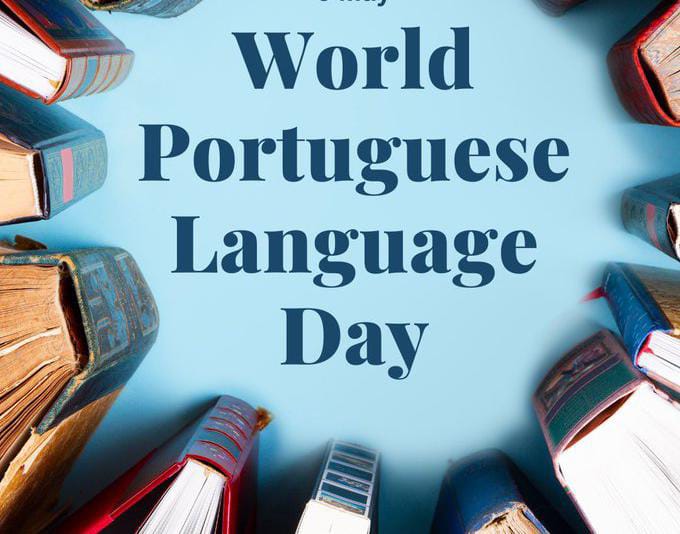
World Portuguese Language Day

The date of 5 May was officially established in 2009 by the Community of Portuguese-speaking Countries (CPLP) – an intergovernmental organization that has been in official partnership with UNESCO since 2000, and which brings together peoples with the Portuguese language as one of the foundations of their specific identity – to celebrate the Portuguese language and Lusophone cultures.

In 2019, the 40th session of UNESCO’s General Conference decided to proclaim 5 May of each year as “World Portuguese Language Day.”

The Portuguese language is not only one of the most widespread languages in the world, with more than 265 million speakers spread through all continents, but it is also the most widely spoken language in the southern hemisphere. Portuguese remains, today, a major language of international communication and a language with a strong geographical projection, destined to increase.

UN Secretary-General António Guterres’ message on World Portuguese Language Day
On the occasion of the International Day of the Portuguese Language, the Secretary-General of the United Nations extended a message to commemorate the celebration of the Portuguese language and to all Portuguese speakers.

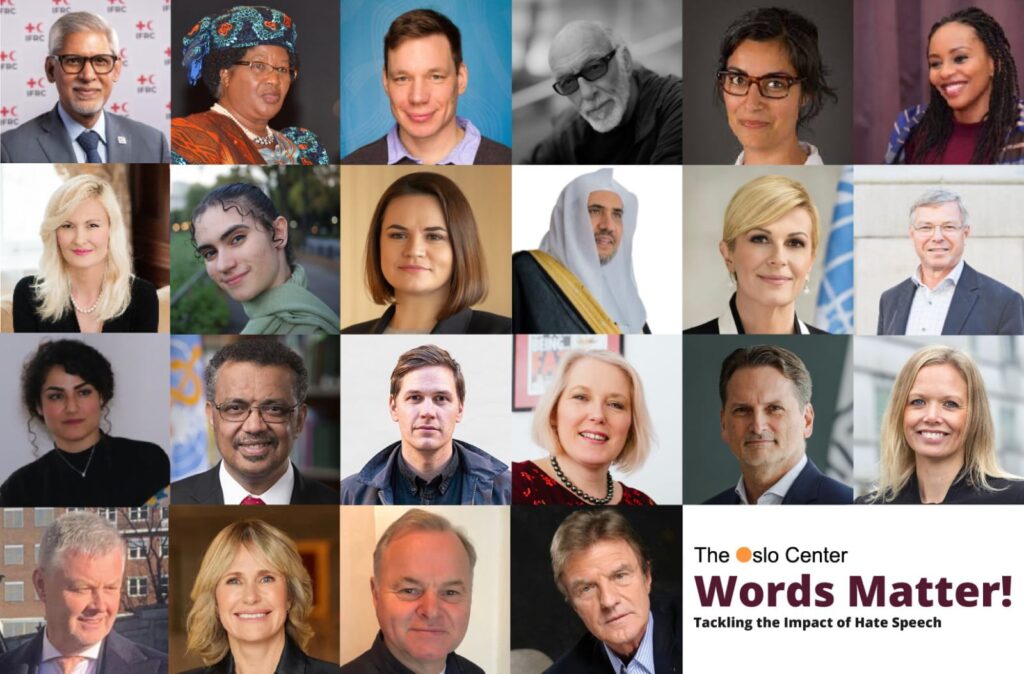
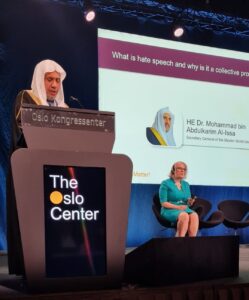
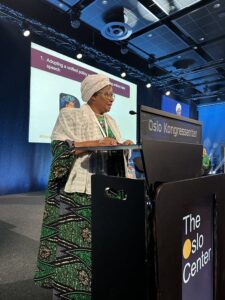
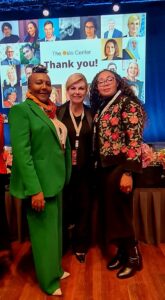
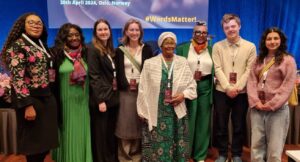
Addressing the Impact of Hate Speech | The Oslo Center, Oslo, Norway

Words Matter: Tackling the Impact of Hate Speech was
Hosted by: The International Interfaith Research Lab at the Oslo Center, Norway

Hate speech is a growing global problem, both online and offline. It threatens democracy and human rights, leading to dangerous societal divisions, deeply affecting the lives of those targeted, and fueling extremism, radicalization, and violence. Young people are particularly vulnerable to this form of intolerance. This conference aimed to raise awareness and understanding of hate speech and its consequences for young people while also enhancing knowledge on how to prevent and combat hate speech, hate crimes, and hate-based violence.

Former President of Croatia, Kolinda Grabar-Kitarović, addressed the audience at the #WordsMatter conference, stating: “Words do hurt, and the rapid spread of digital communication and social media has amplified their impact, turning them into weapons that can and do cause real harm.”

What is hate speech, and why is it a collective problem

The Secretary General of the Muslim World League, Dr. Mohammad bin Abdulkarim Al-Issa, delivered a keynote address on the impact of hate speech, remarking, “Hate speech is one of the most dangerous drivers of war throughout human history… There should be no room for hatred here, nor anywhere else in the world.

  Today’s Conference: A Call to Action

The #WordsMatter! conference brought together global leaders, researchers, and community advocates to discuss and explore ways to combat hate speech, hate crimes, and the exploitation of youth.

Dr. Joyce Banda, former President of Malawi and a leading advocate for women’s rights, spoke passionately at the Oslo Center during the #WordsMatter! Conference. She emphasized, “Hatred must be addressed—and quickly! The leader of a country must be involved. We must do away with ethnicity. Rwanda has done it. President Paul Kagame has done it! We can all do it! When I visited the Kigali Memorial, I signed up as a champion to fight hatred. Yesterday at Utoya Island here in Norway, I again committed to this fight, and I mean it!”

Dr. Joyce Banda made history as Malawi’s first female president and the second in Africa. She is the founder of several organizations, including the Joyce Banda Foundation, the National Association of Business Women (NABW), the Young Women Leaders Network, and the Hunger Project. Her work has earned her numerous prestigious awards, including the Africa Prize for Leadership for the Sustainable End of Hunger.

This conference sought to deepen understanding and awareness of hate speech and its impact on youth while strengthening strategies to prevent and address hate speech, hate crimes, and hate-based violence.

#WordsMatter

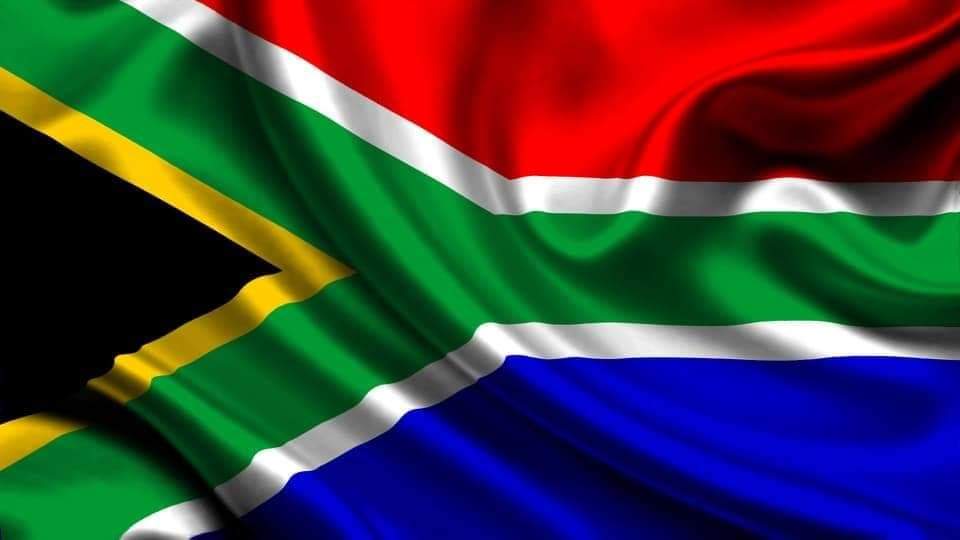
Freedom Day in South Africa 🇿🇦

April 27th marks Freedom Day in South Africa, a day to commemorate the historic transition to democracy—a new era of freedom and equality for all.

This day is an opportunity to reflect on the sacrifices made by countless individuals and to recognize the progress achieved in building a more inclusive society.

As we remember, we are reminded of the rights and liberties hard-won through struggle and perseverance. This day also serves as a testament to the power of unity and the resilience of the human spirit.

In honoring the legacy of Nelson Mandela, let us reaffirm our commitment to unity and equality.

Freedom Day holds deep historical significance, commemorating the first democratic elections in South Africa in 1994. It symbolizes the nation’s journey toward liberation and the ongoing pursuit of justice.

#FreedomDay
#SouthAfrica
#FreedomDay

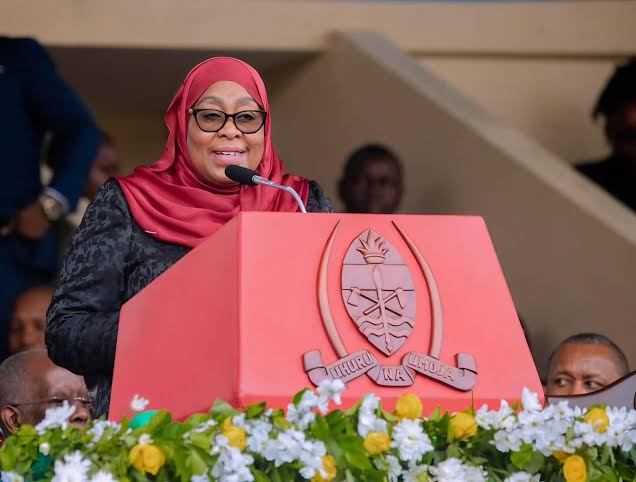
United Republic of Tanzania Commemorates 60th Independence Anniversary

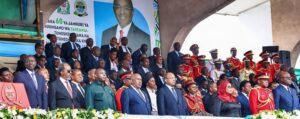
Photo: President of Tanzania Samia Suluhu Hassan, celebrating 60 years of Independence

Photo: Leaders of the continent and SADC joined the government of Tanzania in celebrating 60 years of independence

On 26th April 2024, the SADC community joined the Government and people of the United Republic of Tanzania, a SADC Member State, in commemorating 60 years since the union that formed the United Republic of Tanzania.

On 26th April 1964, under the leadership of Founding President Mwalimu Julius Nyerere, Tanganyika united with Zanzibar to create the United Republic of Tanganyika and Zanzibar. Later that year, on 29th October, the country was renamed the United Republic of Tanzania—a name derived from the blend of Tanganyika and Zanzibar.

The United Republic of Tanzania is a founding Member State of SADC, being one of the nine countries that established the Southern African Development Coordination Conference (SADCC) in Lusaka, Zambia, in April 1980. This organization was later transformed into SADC on 17th August 1992 in Windhoek, Namibia.

On this special occasion, we extend our best wishes to the United Republic of Tanzania for continued peace, unity, and prosperity in the years to come.

#TanzaniaAt60
#SADC
#Tanzania60

International Day of Multilateralism and Diplomacy for Peace

The Diplomatic Informer SA firmly believes in the importance of diplomacy and the principles of multilateralism, the efforts in promoting peace and stability.

As advocates for promoting dialogue and cooperation, using our voice and content on the global stage to advance peace, security, and justice is our pride.

On this day of International Day of Multilateralism and Diplomacy for Peace, we are proud to continue our commitment to the ideals of multilateralism and diplomacy, and to work together towards a future of peace, harmony, and mutual understanding.

What is Multilateralism?

It’s about cooperation with all countries based on shared norms and values, fostering inclusion and solidarity.

UN: Multilateral Champion
From 51 members in 1945 to 193 today, the UN stands for peace, human rights, and international cooperation, as reflected in the UN Charter
Established in 1945 after WWII, the UN’s mission remains peace and security through diplomacy and conflict prevention.

We’re proud to support multilateralism and diplomacy for a peaceful world!

#Multilateralism #DiplomacyForPeace
#UN

IBA signed MoU with Thembekile Mandela Foundation

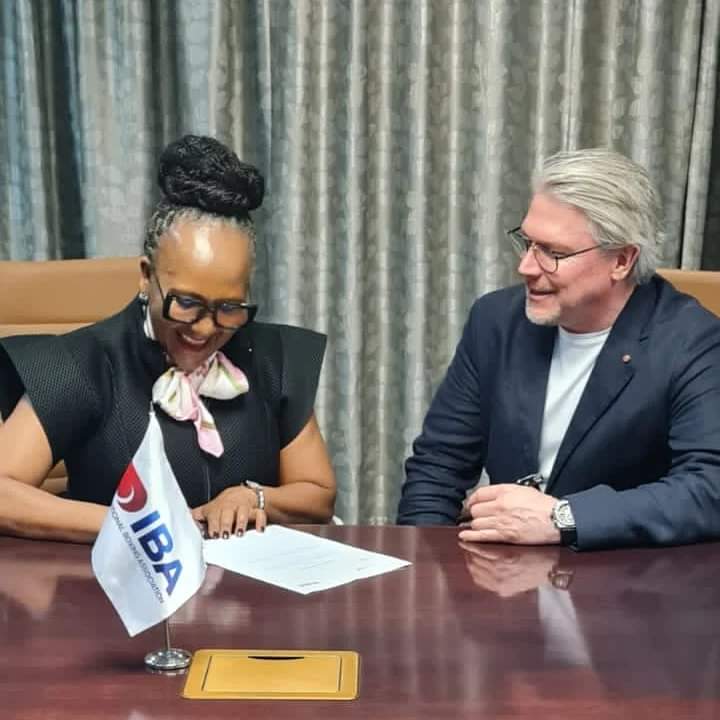
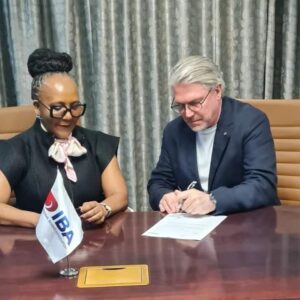
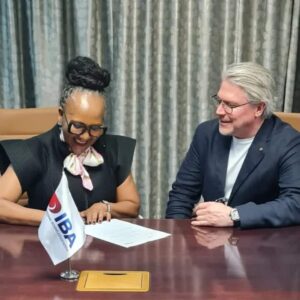
Photo: International Boxing Association (IBA) Secretary General and CEO Chris Roberts OBE and Ms Ndileka Mandela, the first grandchild of Nelson Mandela and CEO & Founder of Thembekile Mandela Foundation signing a Memorandum of Understanding

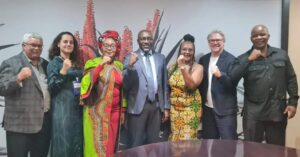
International Boxing Association (IBA) Secretary General and CEO Chris Roberts OBE and Ms Ndileka Mandela, the first grandchild of Nelson Mandela and CEO & Founder of Thembekile Mandela Foundation have signed a Memorandum of Understanding between the entities. The ceremony took place at ICC Durban during the finals of the inaugural Mandela African Boxing Cup.

Mr Roberts OBE stressed that Nelson Mandela’s legacy continues through boxing. Ms Mandela added that ‘it means a lot for the Foundation, as we can extend the cooperation with the international organizations.’

The Memorandum of Understanding is designed in a way where the objectives, scope, extent, thematic areas of focus, and modalities for cooperation between the Thembekile Mandela Foundation and the IBA are clearly defined with a view to using this important opportunity.

The parties agreed:

To develop joint initiatives that use boxing as a tool for social impact and community development, promote inclusivity and diversity within the boxing community.
To organize boxing events or tournaments with the goal of raising funds for charitable causes supported by the Thembekile Mandela Foundation.
To provide opportunities for youth to engage in boxing as a means of empowerment, discipline, and skill development.
To establish educational programs combining academic support with boxing training, creating holistic development opportunities for youth.
To organize workshops and seminars focusing on life skills, leadership, and career development within the context of boxing.

#thembekilemandelafoundation
#IBA
#Boxing
#MandelaAfricaBoxingCup

Sports Diplomacy – Mandela African Boxing Cup, ICC, Durban, KwaZulu-Natal

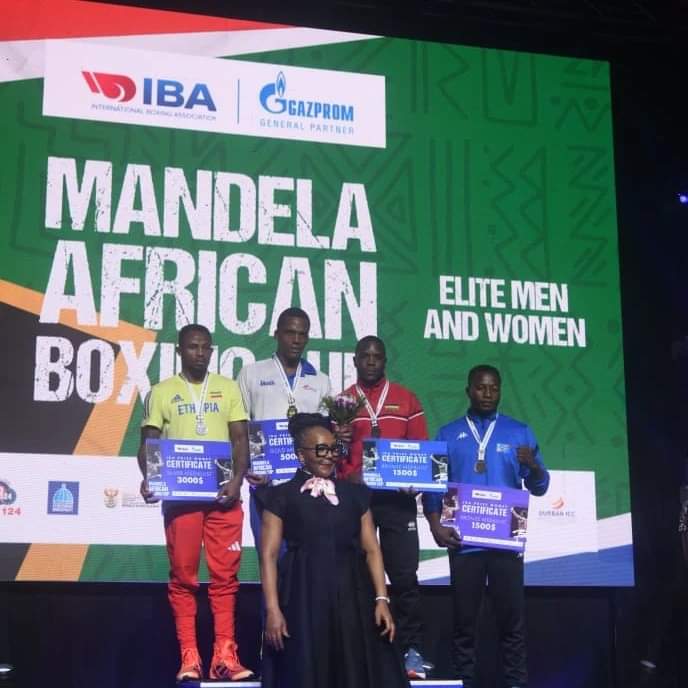
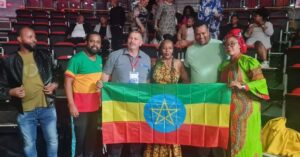
The inaugural Mandela African Boxing Cup’s opening ceremony in Durban was a spectacular event, attended by Ndileka Mandela, the First and Eldest Granddaughter of Nelson Mandela, and Evelyn, the Founder and CEO of the Thembekile Foundation.

The event was graced by the presence of Mayor Thomas Mxolisi Kaunda of the eThekwini Metropolitan Municipality, along with the Secretary-General and Chief Executive Officer of the International Boxing Association, Mr. Chris Roberts OBE, and the President of SANABO. Participants from across the African continent, both male and female boxers, gathered in Durban to pay tribute to Madiba’s deep-rooted passion for the sport at this prestigious event.

In her opening remarks, Ndileka Mandela expressed her immense privilege in announcing the partnership with the International Boxing Association and SANABO, among other esteemed partners, to host the inaugural Mandela African Boxing Cup in Durban.

Mandela warmly welcomed participants from across the African continent, emphasizing the symbolic significance of the Mandela African Boxing Cup (MABC) as more than just a sporting event. She highlighted that it embodies the spirit of unity and social cohesion across Africa, with sport serving as a universal language that transcends barriers, brings together people from diverse backgrounds, and promotes both physical well-being and mental acuity.

During the apartheid era in South Africa, boxing emerged as a beacon of hope, particularly in the Eastern Cape, where Ndileka Mandela spent her formative years. It served as a platform for equality and empowerment, leveling the playing field for all.

“Let us stand united and pursue our collective dream of a unified Africa with unwavering determination,” Mandela urged. “Let not the passage of time deter us from achieving our aspirations.”

In closing, Ndileka Mandela shared a poignant quote from her grandfather: “Boxing is egalitarian. In the ring, rank, age, color, and wealth are irrelevant. When you are circling your opponent, probing his strengths and weaknesses, you are not thinking about color or social status.”

“Together, let us strive to make a meaningful difference. I wish all the participants the very best. Long live Africa,” concluded Ndileka Mandela.

Other notable speakers included SANABO President Mr. Siyabulela Mkwalo, SASCOC President Mr. Barry Hendricks, President of the African Boxing Confederation Mr. Eyassu Wossen Berhanu, and the Secretary-General and Chief Executive Officer of the International Boxing Association, Mr. Chris Roberts OBE, who announced that the IBA prize money fund for the event was $500,000 USD. Several renowned boxers participated in the inaugural Mandela African Boxing Cup.

The prestigious Boxing Cup featured male and female boxers from various regions across the African continent, promoting unity and social cohesion. Participating countries included:

– Algeria
– Angola
– Botswana
– Burundi
– Cameroon
– Cape Verde
– Congo
– Democratic Republic of the Congo
– Egypt
– Ethiopia
– Gabon
– Kenya
– Lesotho
– Mauritius
– Morocco
– Mozambique
– Namibia
– South Africa
– Tanzania
– Tunisia
– Uganda
– Zambia
– Zimbabwe

Guests were treated to amazing performances of traditional dance, and the Mandela African Boxing Cup was officially declared open.

#MandelaAfricanBoxingCup
#ThembekileMandelaFoundation
#IBA
#SANABO
#ICCDurban
#AfricaUnite

President Ramaphosa Received Letters of Credence From Heads of Mission-Designate

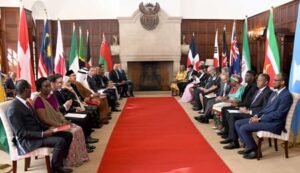
A group photo of Heads of Mission together with their
partners/colleagues at the Credential Ceremony which took place at Sefako Makgatho Presidential Guesthouse, Bryntirion Estate in Pretoria

Photo Credit: Kopano Tlape, GCIS


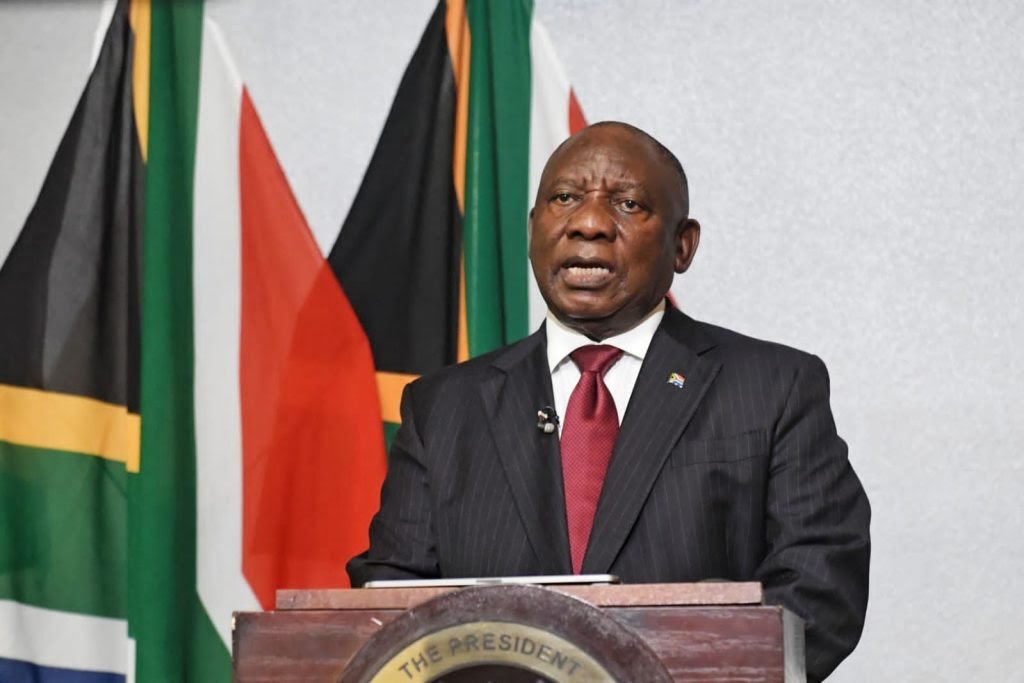
President Cyril Ramaphosa, today, 09 April 2024, received Letters of Credence from Heads of Mission-Designate at a Credentials Ceremony in Pretoria.

Letters of Credence are official diplomatic documents presented to the President by Heads of Mission-designate who have been nominated by their respective governments to serve as Ambassadors to South Africa.

President Ramaphosa receive Heads of Mission-Designate from the following countries:

1. The Republic of Rwanda;
2. The Swiss Confederation;
3. The Federation of Malaysia;
4. The Republic of Italy;
5. Mongolia;
6. The United Republic of Tanzania;
7. The State of Kuwait;
8. The Republic of Belarus;
9. The Dominican Republic;
10. The Republic of Korea;
11. The Republic of Kenya;
12. New Zealand;
13. The Islamic Republic of Iran;
14. The Republic of Suriname;
15. The State of Qatar.

Etolls officially scrapped

The Government officially switched off the gantries of the Gauteng Freeway Improvement Project (GFIP), popularly known as e- tolls.

“From this moment forth, road users will no longer be charged for using the GFIP network. This decision is a testament to our government’s commitment to listen to and serve the needs of its citizens,” Minister of Transport, Sindisiwe Chikunga, said in Centurion during a ceremonial switch-off.

The gantries were switched off on Thursday at midnight at the South African National Roads Agency (SANRAL) Central Operations Centre.

Although the system of e-tolling was implemented after some consultation had taken place, it aggravated a lot of the public and concerned Cabinet.

“When e-tolls were first introduced, the intention was to provide the critical road infrastructure necessary to support Gauteng’s thriving economy, one of the largest in our nation and on our continent. However, we have heard the pleas of Gauteng motorists, and after careful deliberation, we have responded.

“A three-member Cabinet committee, tasked by President Cyril Ramaphosa in 2019, has diligently explored alternative funding solutions for the GFIP debt repayment and the backlog of maintenance and rehabilitation costs.

“The result is a Memorandum of Agreement that formalises these solutions and outlines the financial contributions from the Gauteng Province and the national government,” the Minister said.

She said the government is committed to continually engaging with all stakeholders to explore adequate and sustainable funding solutions for road construction, maintenance, and upgrades, supporting economic development across our nation,” the Minister said.

“As government, we are still in discussion regarding the historical debt owed by motorists. For SANRAL, this significant milestone unlocks the ability to approach the private sector for funding, enabling the agency to execute its pipeline of capital expenditure projects. As we bid farewell to e-tolls, it is important to note that the benefits of improved roads remain,” Chikunga said.

The Minister reiterated that as of Friday, road users will no longer be charged for the use of the Gauteng e-toll routes

“Road-users will not be required to do anything when e-tolling is canceled. Importantly, ‘current valid accounts’ can still be used for payments at toll plazas and other value-added services (i.e., parking). This is critical for the ongoing, long-term benefit of interoperability.

“The tag beeps will stop after [Thursday] midnight. The gantry lights and cameras will remain on for road safety purposes. The e-toll website will be updated with respect to the cancellation, including Mobility/Tag account functionality for services, i.e., interoperability and parking, etc.

“The e-toll stores will remain open as the tag can still be used for interoperability, account queries, and other potential transport related services that will be determined in due course. The e-toll branding will be removed in phases,” Chikunga said.

E-toll invoices will be rolled up until the last day and issued up until this period.

Due to potential delays in the postal system, invoices will still be received sometime after 12 April 2024. However, no transactions post-midnight tonight will appear on the invoice or statement.

SAnews.gov.za

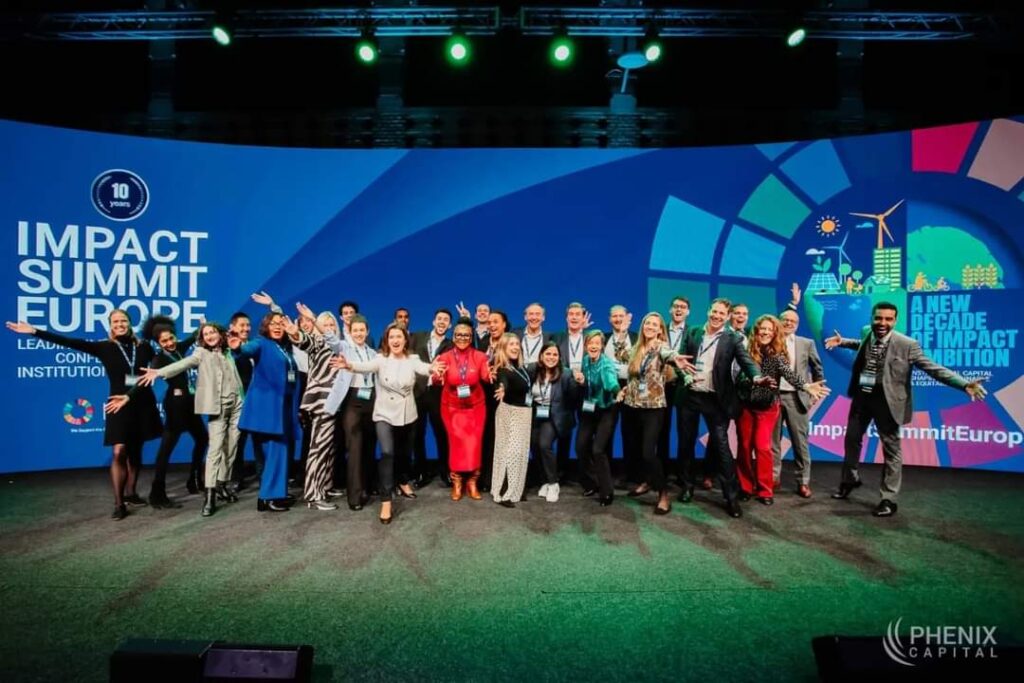
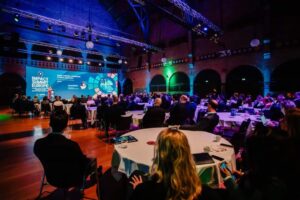
Netherlands – Impact Summit Europe at the Historic Beurs van Berlage, Amsterdam, March 26-27, 2024

Photo: Netherlands – Impact Summit Europe at the Historic Beurs van Berlage, Amsterdam

Photo Credit: Phenix Capital Group

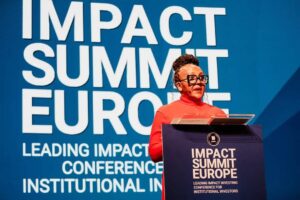
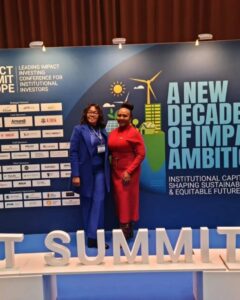
Photo: Ndileka Mandela, Founder and CEO of Thembekile Mandela Foundation, speaking at the 10th anniversary of the Impact Summit Europe.

Photo Credit: Phenix Capital Group

Photo: The Impact Summit Europe served as a pivotal gathering for the global impact investing community, engaging in discussions on current and future challenges and opportunities in the impact investing space.

We had the honor of attending the Impact Summit Europe, where leaders and visionaries convened to discuss and address pressing global issues.

Climate change is one of humanity’s greatest challenges, highlighting our disconnection from the natural world and the persistent inequalities between the Global North and South. I echo the United Nations’ term “climate apartheid,” which underscores how the poorest, predominantly people of color in the Global South, bear the brunt of climate change despite contributing the least to its causes.

The parallels between apartheid and the current global climate crisis are evident. Just as apartheid privileged a few at the expense of the majority, today, the wealthiest nations continue to benefit from environmental exploitation while vulnerable communities suffer disproportionately.

Nelson Mandela’s fight against apartheid was a battle for justice and equality. Similarly, we must unite to combat climate apartheid and ensure a more inclusive world for all, said Ndileka Mandela.

Collaboration is key as we work toward renewable energy sources and equitable climate finance for vulnerable regions.

A few years ago, the United Nations published a controversial report warning that by 2030, the world could be on the brink of climate apartheid. But as we approach the United Nations Climate Change Summit hosted by the UAE, I believe that climate apartheid is already here. “The struggle Madiba fought against apartheid is far from over.”

Ndileka Mandela, Founder and CEO of Thembekile Mandela Foundation, was the keynote speaker at the 10th anniversary of the Impact Summit Europe. Committed to humanitarian issues, Ndileka Mandela continues to promote her grandfather’s legacy.

Organized by Phenix Capital Group, the Impact Summit Europe in Amsterdam was dedicated to fostering dialogue, collaboration, and innovation within the global impact investing community.

Celebrating its 10th year, the summit brought together thought leaders, investors, entrepreneurs, and policymakers to explore emerging trends, share insights, and catalyze positive change.

The Impact Summit Europe served as a pivotal gathering for the global impact investing community, engaging in discussions on current and future challenges and opportunities in the impact investing space.

The summit inspired new ambitions for the next decade of impact.

Photo Credit: Phenix Capital
Group

#ImpactSummitEurope.