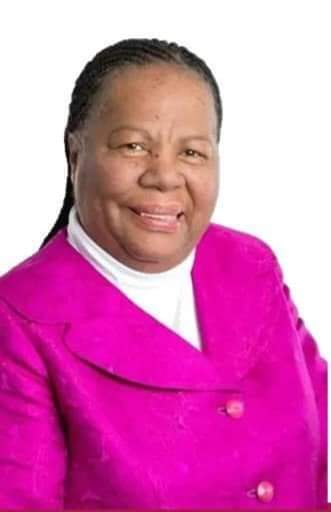
Minister Pandor to host the German Foreign Minister for a Bi-National Commission

Photo: Minister Pandor to host the German Foreign Minister for a Bi-National Commission
Photo Credit: GCIS

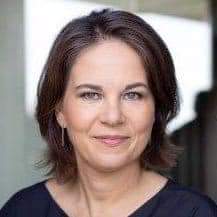
Photo: Minister of Foreign Affairs of the Federal Republic of Germany, Ms. Annalena Baerbock

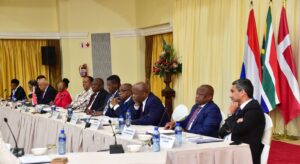
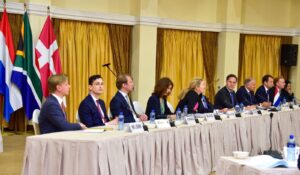
The Minister of International Relations and Cooperation, Dr Naledi Pandor, will host the Minister of Foreign Affairs of the Federal Republic of Germany, Ms. Annalena Baerbock the 11th meeting of South Africa – Germany Bi-National Commission.

The Bi-National Commission is the primary mechanism that is used for the management of the substantial relationship between the two countries. It comprises seven working groups, which have already met to prepare reports that will be submitted to and approved at the BNC. The working groups are on Foreign and Security Policy, Economy, Energy, Environment and Climate, Development Cooperation, Agriculture, Science and Technology, Arts and Culture and Labour, Social Affairs and Vocational Training.

The Ministers will have a discussion on geopolitical issues affecting Africa and Europe, as well as on multilateral issues such as South Africa’s chairship of BRICS, Climate Change and preparations for COP28, the G20 Compact with Africa, and the Women, Peace and Security agenda.

Germany is one of South Africa’s most strategic international partners. It is a major trading partner and source of investment, the third largest source of overseas tourists, and an important development partner. The Department is of the view that the BNC will contribute to the consolidation and strengthening of bilateral relations.

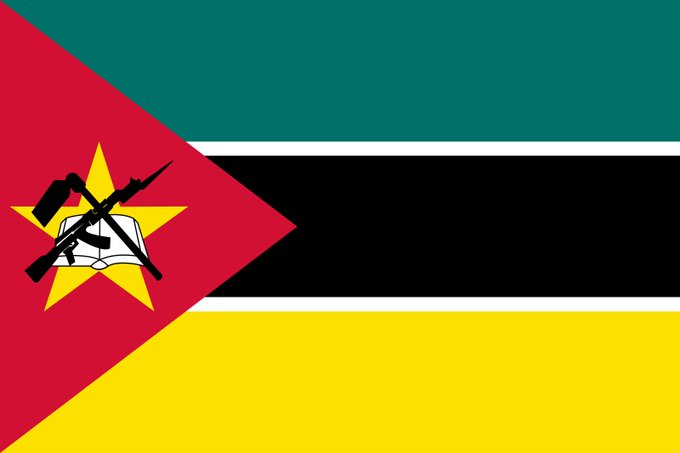
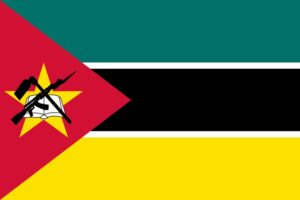
🇲🇿Mozambique Independence Day

Mozambique was first discovered by Portuguese explorer Vasco De Gama at the end of the 15th century. By 1530, Portugal had already established a solid colonial territory in the country. This presence led to the displacement of the original Bantu tribes. Moreover, locals were forced into slavery when the trade between Europeans and Arabs took off.

Throughout the next centuries, the Portuguese influence on Mozambique continued to expand into its interior regions. As the traders began to seek gold and colonists established mining enterprises and trading posts, the country became a parcel-out land to European settlers. By the 18th century, Mozambique had become a major slave-trading center in Africa. However, the light at the end of the tunnel was seen in the late 19th century when traders, colonists, and settlers from Portugal started to decline. Slavery had also been legally abolished at this point.

In the mid-1920s, locals and indigenous tribes started to rebel and revolt against Portuguese rule — demanding a free and independent nation. However, Portuguese rulers suppressed these groups, forcing them into exile. But it was in 1962 when FRELIMO, or the Mozambique Liberation Front, was born and headed by Eduardo Mondlane. They started an armed guerilla war against the Portuguese in 1964.

Mozambique gained international assistance, including a UN resolution pressuring Portugal to decolonize the country. In 1974, this was accomplished when more than 250,000 Portuguese settlers fled the nation.

Mozambique became an independent country a year later, under the leadership of FRELIMO President Samora Machel.

Wishing the Government and the people of Mozambique,
continued unity, peace, and harmony.

International Day for Women in Diplomacy

The International Day for Women in Diplomacy celebrated on 24th June annually highlights the indispensable contributions of women in the field of global governance. Since the establishment of the United Nations and the signing of its Charter in 1945, women have played a significant role in shaping international relations.

With women and girls constituting half of the world’s population and potential, their involvement in diplomacy brings invaluable benefits. Their distinctive leadership styles, expertise, and priorities expand the breadth of issues addressed and enhance the quality of outcomes.

Extensive research reveals that when women hold positions in cabinets and parliaments, they champion laws and policies that benefit ordinary people, promote environmental sustainability, and foster social cohesion. Empowering women’s participation in peacebuilding and political processes is crucial for achieving substantive gender equality in the face of deeply ingrained discrimination. With primary responsibility for international peace and security, the 15-member UN Security Council plays a significant role. Although women currently represent slightly over a third of the Council’s members, which is higher than the global average, this proportion is still far from sufficient. The involvement of women in the Security Council requires further exploration and attention.

International Day for Women in Diplomacy: History
Historically, diplomacy has predominantly been a male-dominated sphere. Yet, women have played crucial roles in diplomacy throughout history, despite often being overlooked. It is essential to acknowledge and celebrate the ways in which women are breaking barriers and making a significant impact in the field of diplomacy. As of 2014, 143 countries have enshrined gender equality in their constitutions, while another 52 countries are yet to make this vital commitment. Advocating for increased representation of women in key decision-making positions will profoundly shape and implement multilateral agendas.

Between 1992 and 2019, women accounted for only 13% of negotiators, 6% of mediators, and 6% of signatories in peace processes worldwide. Gender equality and the empowerment of all women and girls make a crucial contribution to progress across all Sustainable Development Goals (SDGs) and targets. The systematic integration of a gender perspective in the implementation of the 2030 Agenda is vital, particularly since SDG 5 emphasizes women’s equal participation in decision-making processes.

During the 76th Session of the United Nations General Assembly, the International Day of Women in Diplomacy was established through consensus. On this day, as per resolution A/RES/76/269, all Member States, United Nations organizations, non-governmental groups, academic institutions, and associations of women diplomats—wherever they exist—are invited to observe the Day in the manner they deem most appropriate. This may include education initiatives and public awareness campaigns to promote women’s contributions to diplomacy.

On the International Day for Women in Diplomacy, let us honor and appreciate the invaluable role that women play in shaping global governance and fostering a more inclusive and equitable world.

The Future We Want Requires More Women in Diplomacy

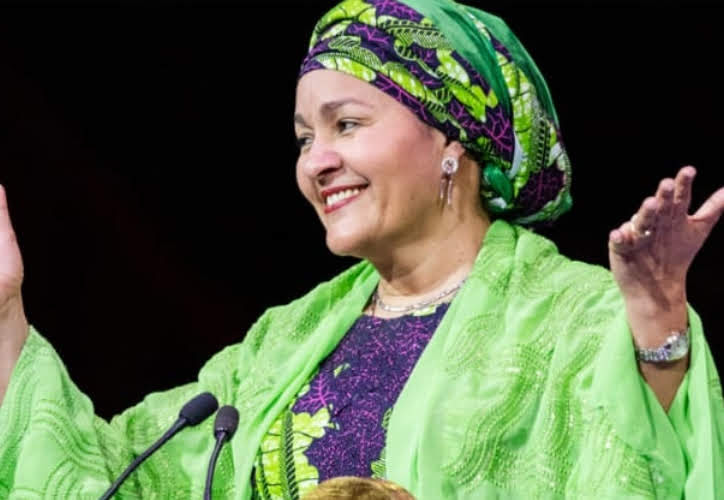
Photo; Deputy Secretary-General Amina J. Mohammed
Photo Credit: UN Photo

By Amina J. Mohammed, Deputy Secretary-General of the United Nations.

On 24 June, we commemorate the International Day of Women in Diplomacy. I welcome this initiative of the United Nations General Assembly, under the leadership of the President of the seventy-sixth session of Assembly, H.E. Abdulla Shahid, Minister of Foreign Affairs of Maldives, to make women’s leadership more visible, to acknowledge the achievements of women in the diplomatic space, and to call attention to the journey we still must travel to achieve women’s full and equal participation in all areas of decision-making and political life.

Only 4 of the 850 delegates who signed the Charter of the United Nations in 1945 were women. Since then, we have seen an increase in women’s representation in diplomacy worldwide and at the United Nations, but it has not been at the speed or pace we need. In fact, far too often, decision-making spaces are void of women.

One of the greatest achievements of the United Nations and multilateralism was the adoption of the Universal Declaration of Human Rights in 1948—spearheaded by a woman, Eleanor Roosevelt—through which all nations recognized the equal rights of men and women as fundamental human rights.

Diplomacy continues to be a male bastion globally. Diplomatic powers wielded by leaders at the highest levels of the state remain mostly in the hands of men. Images of the representatives of the G7 and G20 countries remain male-dominated.

All-male panels are too often the norm. Women serve as Heads of State and/or Government in only 28 countries; there are currently 16 women Heads of State (10.6 per cent of countries) and 16 women Heads of Government (8.3 per cent).1 At the ministerial level, the sphere of foreign affairs remains disproportionately dominated by men, with women ministers holding just 25 per cent of this type of portfolio.2 At the parliamentary level, women hold just 26.5 per cent of seats.

The same has been true for this very institution. As the world’s organization, we need to do better. And that has been a rallying call for our Secretary-General for the past six years. Today, we have made laudable progress, demonstrating clearly what political will, institutional and cultural change, and special measures can achieve.

In 2020, parity was attained among all senior leaders of the United Nations for the first time in the history of the organization. We are also at full parity and have attained greater geographic diversity among our resident coordinators. The United Nations is on track to achieve parity at all levels in entities at Headquarters in the next five years. We continue to struggle, however, with the challenges of greater inclusion in the field, particularly in peacekeeping missions, at all levels. This is where our interactions with the communities we serve are most frequent, challenges for countries are the greatest, and the need for diversity to strengthen our efforts is more critical than ever. For these reasons, we are amplifying our efforts and are determined to achieve the goals the Secretary-General has set for us.

Without the input of half the world’s population, we can not develop policies that work for everyone.

Throughout history, women have made essential contributions to politics and international relations when they have a seat at the table. The negotiations concerning the Universal Declaration of Human Rights and in the Liberian and Irish peace processes are clear examples of the fundamental roles women have played in achieving durable success. Women’s equal participation and representation at all levels of decision-making are key to unlocking the transformational changes needed to secure a sustainable future. Women’s engagement in political processes improves such efforts: more inclusive decisions are made, different voices are heard, and solutions are created. Governments function better,3 corruption decreases, and peace processes improve.4 Without the input of half the world’s population, we can not develop policies that work for everyone.

At the United Nations, we, the women working in diplomacy, along with our feminist male allies, have an opportunity to drive forward the change we need. Our Common Agenda—the Secretary-General’s vision for the future of global cooperation—offers a unique chance to network inclusive multilateralism, including intergenerational voices. This is also why, during the COVID-19 pandemic, I initiated Women Rise for All—to shine a bright light on the difference women’s leadership makes, and how more inclusive governance structures and more diverse negotiating spaces lead to more effective policies and lasting change.

We need to bring change if we are to secure these benefits for us all, especially those currently left out or left behind. This will require well-calibrated measures and policies designed to support the achievement of women’s rights. It will take calling out and dismantling the structural obstacles to women’s equal participation.

When we finally achieve full and fair representation, we will be closer to an inclusive, just and prosperous society that is more peaceful, sustainable and equitable, a society that reflects our shared Sustainable Development Goals and the future we all want.

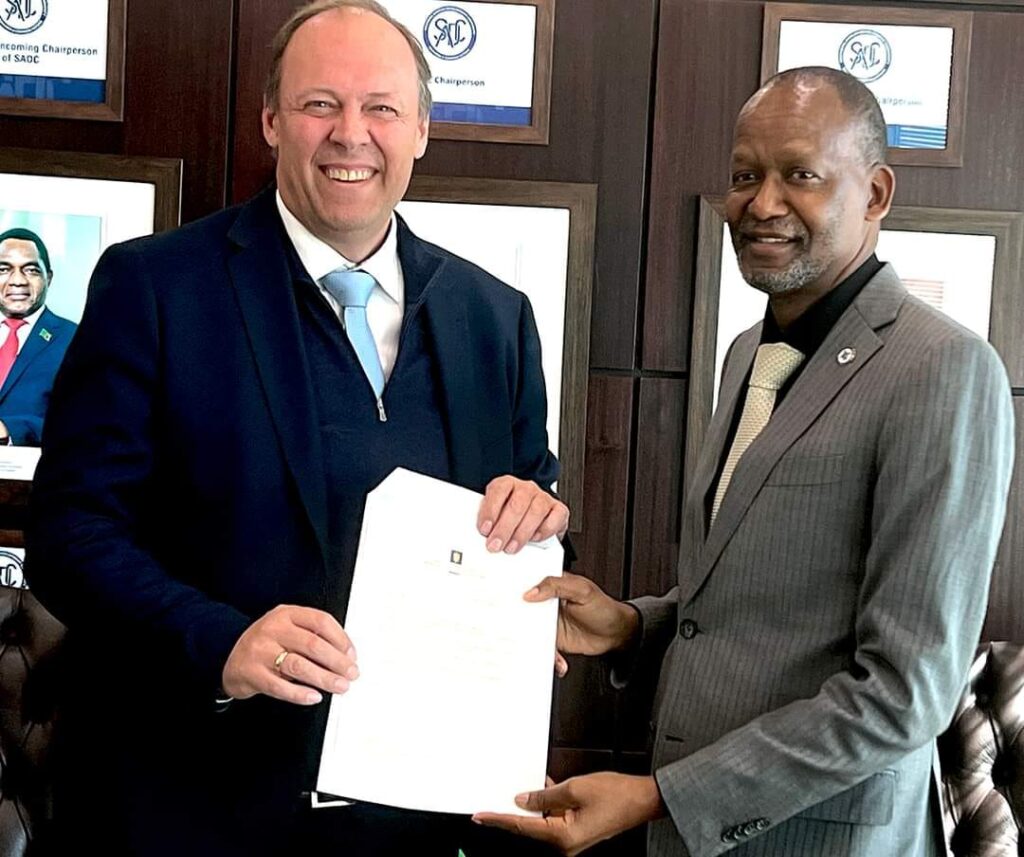
SADC Executive Secretary discusses development cooperation with US and Norwegian envoys

Photo: , His Excellency Mr. Gjermund Saether, Ambassador of Norway to Botswana with Residence in South Africa

The Executive Secretary of the Southern African Development Community (SADC) His Excellency Mr Elias M. Magosi, on 21st June 2023, met with the Ambassador of the United States of America to Botswana His Excellency Ambassador Howard A. Van and Ambassador of the Kingdom of Norway to Botswana and SADC, His Excellency Mr. Gjermund Saether to discuss issues of development cooperation.

During separate meetings with the two envoys, H.E Magosi emphasised that the SADC region is in its second year of implementing the activities and programmes outlined in the SADC Regional Indicative Strategic Development Plan (RISDP) 2020–2030 which draws impetus from the organisation’s Vision 2050 and guided by the purposes and principles of the SADC Treaty and Agenda.

H.E. Magosi highlighted the important role of cooperating partners like the United States and Norway in supporting SADC programmes, which are aimed at improving the lives of the people of the region. On this note, H.E. Magosi briefed the envoys of the prioritized, high impact projects derived from the RISDP 2020-2030 whose successful implementation will require collaborative effort and financial support from SADC cooperating partners

He highlighted to the envoys that the SADC region remains generally stable and peaceful, notwithstanding political and challenges in some of the member states, including acts of terrorism and violent extremism in the northern part of Mozambique and the resurgence of armed groups in the eastern part of the Democratic Republic of Congo.

https://www.sadc.int

FYN Restaurant in Cape Town named best sustainable restaurant in the world

By Eat Out

FYN Restaurant has been acclaimed as the world’s most sustainable restaurant after being awarded the prestigious Flor de Caña Sustainable Restaurant Award at The World’s 50 Best Restaurants ceremony held in Valencia, Spain.

The coveted award aims to recognise restaurants that achieve the highest environmental and social responsibility ratings, determined by its audit partner, the Sustainable Restaurant Association.

FYN Restaurant, which opened in late 2018, was placed 37 on last year’s World’s 50 Best Restaurants list and won 2 stars at the Eat Out Woolworths Restaurant Awards last year.

Headed by chef Peter Tempelhoff and his partners, Ashley Moss and Jennifer Hugé, FYN has been commended for its far-reaching philosophy that holds sustainability at the helm

Heralded as an ‘ethical celebration of South African ingredients’ by The World’s 50 Best Restaurants, FYN’s cuisine is a fusion of South African ingredients and Japanese cooking techniques with local sourcing at its core.

The kaiseki-style menu, consisting of five waves of courses, pays tribute to the native ingredients found along the Western Cape and is intrinsic to the principles of sustainability employed by the renowned restaurant

All suppliers are carefully selected according to criteria of eco-friendly practices and range from ABALOBI, South Africa’s first community-supported fishery, to the regenerative-principled Meuse Farm for vegetables, Cape Wagyu for free-range, pasture-reared cattle, and responsibly harvested dune spinach, sea lettuce and kelp.

“FYN is about balancing authenticity and innovation. Through our cuisine, we’re straddling the fine line between time-honoured techniques and creating something quite new,” says Peter Tempelhoff.

“We’re paying homage to the past by working with ingredients foraged some 150 000 years ago on the Western Cape coastline and in the fynbos. We’re representing our local ancestry in our menus and talking about culinary ingredients originating from the dawn of mankind. This journey of exploring regional ingredients is one that we’re enjoying and celebrating with the Flor de Caña Sustainable Restaurant Award.”

The World’s 50 Best Restaurants list, sponsored by S.Pellegrino and Acqua Panna, is a globally recognised programme that showcases leading trends and highlights exceptional restaurants from all corners of the Earth.

Every restaurant in the world is eligible unless it is part of the Best of the Best group (restaurants that have made it to number 1 on The World’s 50 Best Restaurants list over its 18-year history).

No survivors after the Titanic sub wreckage found on the ocean floor

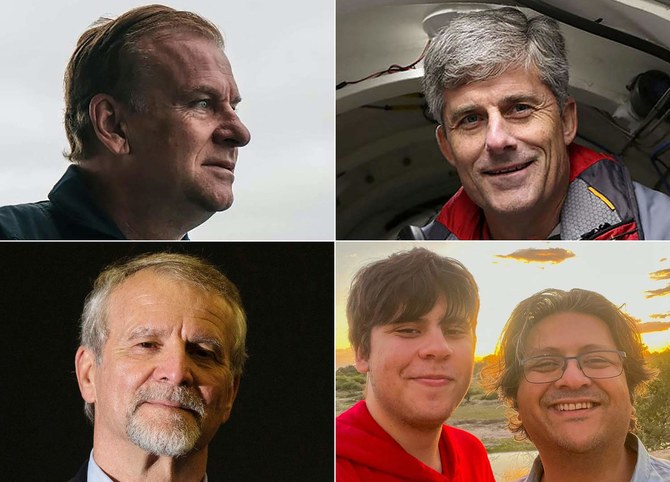
Photo:Titan submersible passengers (L-R, top to bottom) Hamish Harding, Stockton Rush, Paul-Henri Nargeolet, Suleman Dawood and his father Shahzada Dawood. (File/AFP)

Tragic “These men were true explorers who shared a distinct spirit of adventure, and a deep passion for exploring and protecting the world’s oceans”: OceanGate Expeditions
“The debris is consistent with a catastrophic loss of the pressure chamber,” Mauger said

The five people aboard a missing submersible died in a “catastrophic” event, a Coast Guard official said on Thursday, bringing a grim end to the massive search for the vessel that was lost during a voyage to the Titanic.

“These men were true explorers who shared a distinct spirit of adventure and a deep passion for exploring and protecting the world’s oceans,” OceanGate Expeditions said in a statement. “Our hearts are with these five souls and every member of their families during this tragic time.”

An unmanned deep-sea robot deployed from a Canadian ship discovered the wreckage of the submersible on Thursday morning about 1,600 feet (488 meters) from the bow of the century-old wreck, 2-1/2 miles (4 km) below the surface, US Coast Guard Rear Admiral John Mauger said at a press conference.
“The debris is consistent with a catastrophic loss of the pressure chamber,” Mauger said.

Rescue teams from several countries have spent days searching thousands of square miles of open seas with planes and ships for any sign of the 22-foot (6.7-meter) Titan, operated by US-based OceanGate Expeditions.

The submersible lost contact on Sunday morning with its support ship about an hour and 45 minutes into what should have been a two-hour descent.
The five people aboard included the British billionaire and explorer Hamish Harding, 58; Pakistani-born business magnate Shahzada Dawood, 48, and his 19-year-old son, Suleman, both British citizens; French oceanographer and Titanic expert Paul-Henri Nargeolet, 77, who had visited the wreck dozens of times; and Stockton Rush, the American founder and chief executive of OceanGate, who was piloting the submersible.

The detection of undersea noises on Tuesday and Wednesday using sonar buoys dropped from Canadian aircraft had temporarily offered hope that the people on board the submersible were alive and trying to communicate by banging on the hull.
But officials warned that analysis of the sound was inconclusive and that the noises might not have emanated from the Titan at all.
Even if the Titan has survived, the air supply on board was estimated at 96 hours when it entered the water on Sunday around 8 a.m. (1200 GMT), meaning that the occupants likely would have run out of oxygen by Thursday morning.

The Titanic, which sank in 1912 on its maiden voyage after hitting an iceberg, killing more than 1,500 people, lies about 900 miles (1,450 km) east of Cape Cod, Massachusetts, and 400 miles (640 km) south of St. John’s, Newfoundland.

The expedition to the wreck, which OceanGate has been operating since 2021costsst $250,000 per person, according to OceanGate’s website.
Questions about Titan’s safety were raised in 2018 during a symposium of submersible industry experts and in a lawsuit by OceanGate’s former head of marine operations, which was settled later that year.

The sweeping search covered more than 10,000 square miles of ocean — about the size of the US state of Massachusetts. On Thursday, the deployment of two specialized deep-sea unmanned vehicles expanded the effort to the ocean’s depths, where immense pressure and pitch-black darkness had promised to complicate any rescue mission.

The missing submersible and subsequent hunt captured worldwide attention, in part due to the mythology surrounding the Titanic. The “unsinkable” British passenger liner has inspired both nonfiction and fiction accounts for a century, including the James Cameron blockbuster 1998 movie, which rekindled popular interest in the story.

Kenya will work with UAE to make COP28 a success

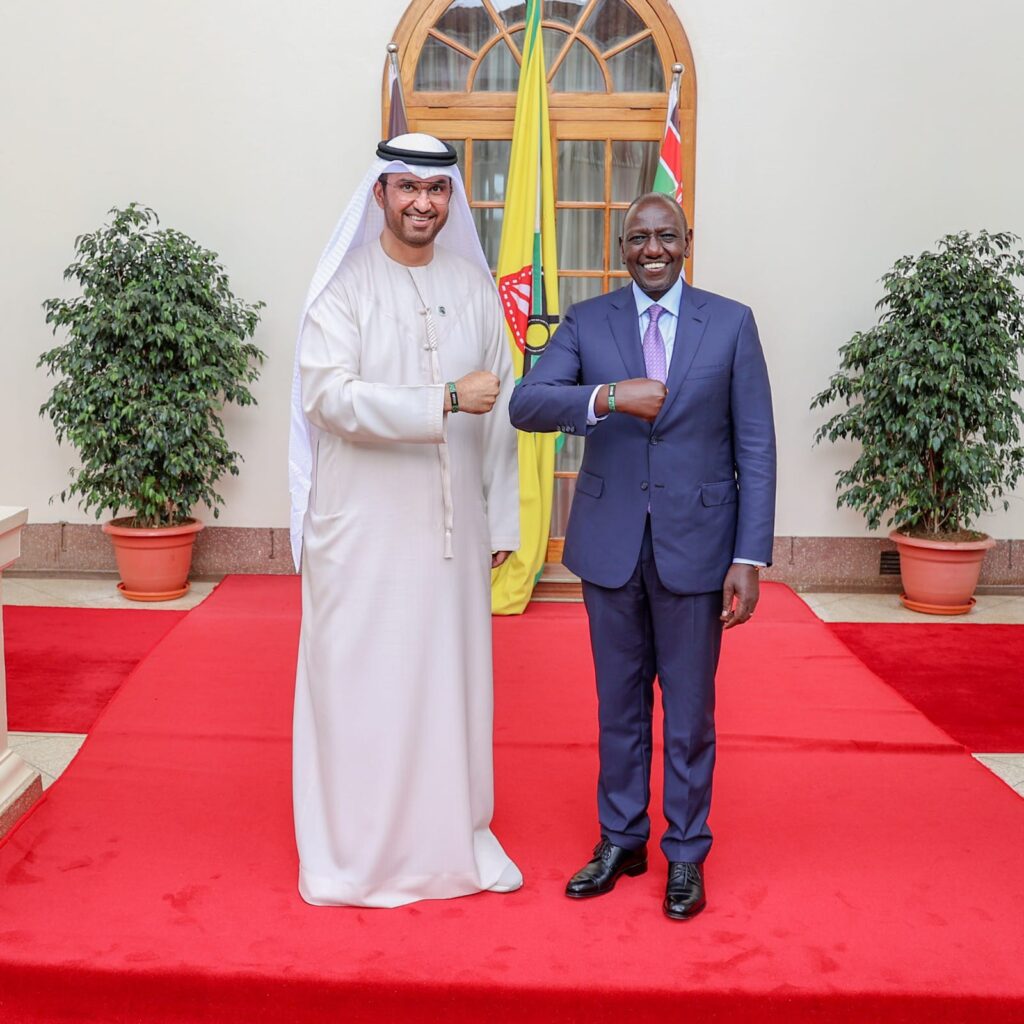
Photo: (L-R) Dr Sultan Al-Jaber, the UAE Minister for Industry and Cooperatives who is also the designated President for COP28 and President William Ruto of the Republic of Kenya

Kenya will partner with the United Arab Emirates to make the 28th United Nations Climate Change Conference in December a win-win outcome for all, President Williams Ruto has said.

The President said the pre-conference climate meetings in Paris and Nairobi must help fashion an agreement acceptable to all: Developed and developing countries, emitters and non-emitters, at the Conference of Parties (COP28) in Dubai.

“Climate change is an existential threat to all of us and there is no room for blame games and sideshows. We are looking forward to COP 28 as a turning point in climate action.”

The President was speaking when he met Dr Sultan Al-Jaber, the UAE Minister for Industry and Cooperatives, who is also the designated President for COP28.

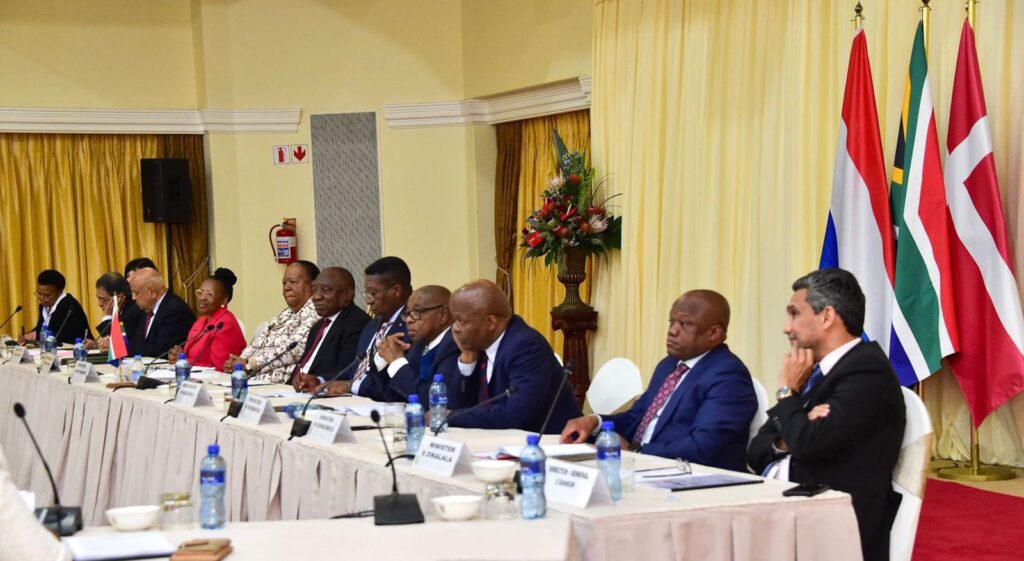
Remarks by President Cyril Ramaphosa during the SA-Denmark-Netherlands business forum


As we come to the end of a successful business forum, we are encouraged by the enthusiasm of the Netherlands and Denmark to work together with South Africa to strengthen and deepen our economic relationships.

Both countries have shown great interest to become key trading partners in the green hydrogen and green energy sectors.

At the UN Climate Change Conference in Sharm el-Sheikh last year, South Africa elaborated on its just transition. We presented our Just Energy Transition Investment Plan as the basis for our pathway towards a low-carbon and a climate resilient society.

While enabling the country to meet its ambitious emission reduction goals, the Just Transition Investment Plan brings about many trade and investment opportunities in the green hydrogen and green energy sectors.

For South Africa, it is important to develop green hydrogen projects that contribute to the export market while developing local economies.

The engagements that have been held during this visit are important for all of our countries.

They provide a glimpse of what South Africa has to offer and allow for direct exchanges on how we can best collaborate on the numerous available opportunities.

It is significant that these engagements have involved government, business, labour and other social partners. It reinforces our view that these developments need to be inclusive and need to benefit all within society.

South Africa today is well poised to attract and implement renewable energy projects, and we have the capability to build some of the components that these projects will require.

From solar to biogas, from wind to battery storage, these investments are leading one of the most important growth industries in South Africa.

Such investments are particularly important as South Africa faces severe electricity shortages.

The development of new renewable generation capacity – alongside the recovery of our existing fleet of power stations – is vital for our long-term energy security.

The reforms that are underway in the electricity sector will enable a more competitive, cost-effective, and sustainable electricity market.

We also need to acknowledge the investments that are breathing new life into mining, one of the country’s oldest industries, and still one of its most important.

Through these investments, we will be expanding our production of platinum group metals and other minerals that are vital to the emerging technologies of the future.

South Africa also offers valuable investment opportunities in manufacturing, advanced manufacturing, infrastructure, and innovation.

I want to thank the companies and institutions from the Netherlands, Denmark, and South Africa for the investment announcements and partnerships made today.

From the Netherlands, we welcome the commitment of $1 billion for the establishment of the SA-H2 Fund to mobilise green hydrogen investments.

We thank Invest International for their announcement of a concessional financing package for water – and energy-related public infrastructure.

We welcome the establishment of a Climate Smart Horticulture demo facility at Eskom’s Grootvlei power station, which will serve as a hub for agricultural production, packaging, and distribution for the surrounding areas.

We also welcome the expansion of the Danish Energy Partnership Program to build capacity in wind and electricity.

We congratulate Copenhagen Infrastructure Partners and Mulilo Energy Holdings SA on their announcement to invest $200 million to set up a New Funds Market for investments in green energy infrastructure.

Equally important for South Africa is skills development in the green energy sector.

We therefore welcome the establishment of a Labour Market Consortium to promote social dialogue and skills development for a just and inclusive energy transition in South Africa.

I wish to thank you all for making this business forum a success.

Thank you to our business leaders and delegations from the Netherlands and Denmark for supporting the business forum and advancing its purpose.

As we conclude today, I am encouraged by the enthusiasm and interest shown by the Netherlands and Denmark to work with South Africa in developing a green hydrogen economy.

I am certain that the strong ties between our countries will translate into economic gains for all our people and will contribute to our efforts to combat the effects of climate change.

As the South African government, we remain committed to creating a business environment that is conducive to supporting trade and investment.

“Hope away from Home: A world where refugees are always included

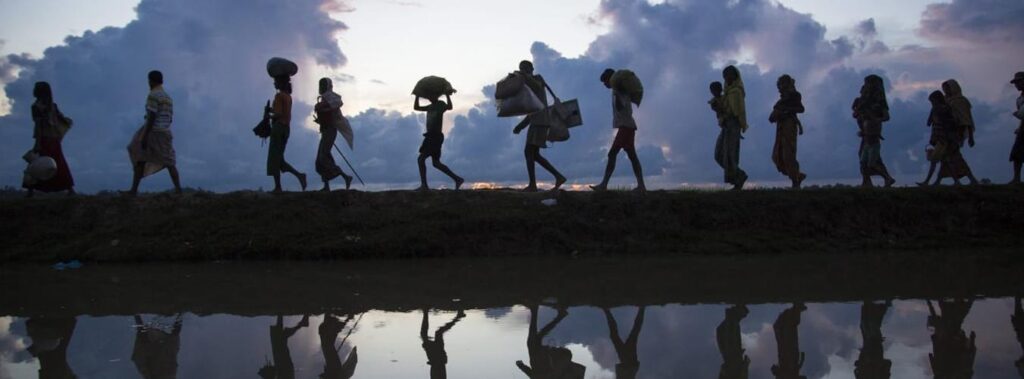
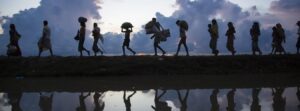
Photo: Rohingya refugees fleeing conflict and persecution walk towards the Kutupalong refugee settlement.
PHOTO Credit: UNHCR, Bangladesh

20 June marks World Refugee Day, the international day to honour people who have been forced to flee.

Together, we can champion their right to seek safety, build support for their economic and social inclusion, and advocate for solutions to their plight.

Let us help bring awareness, build empathy, and mobilize action for and on behalf of the 103 million forcibly displaced persons worldwide.

This year, World Refugee Day focused on the power of inclusion and solutions for refugees. The 2023 theme was “Hope away from Home: A world where refugees are always included.”

What is World Refugee Day?

World Refugee Day is an international day designated by the United Nations to honour refugees around the globe. It falls each year on 20 June and celebrates the strength and courage of people who have been forced to flee their home country to escape conflict or persecution.

Why is World Refugee Day important?

World Refugee Day shines a light on the rights, needs, and dreams of refugees, helping to mobilize political will and resources so refugees can not only survive but also thrive. While it is important to protect and improve the lives of refugees every single day, international days like World Refugee Day help to focus global attention on the plight of those fleeing conflict or persecution. Many activities held on World Refugee Day create opportunities to support refugees.

When is World Refugee Day, and when did it start?

World Refugee Day falls each year on 20 June and is dedicated to refugees around the globe. World Refugee Day was held globally for the first time on 20 June 2001, commemorating the 50th anniversary of the 1951 Convention relating to the Status of Refugees. It was originally known as Africa Refugee Day before the United Nations General Assembly officially designated it as an international day in December 2000.

What happens on World Refugee Day?

Each year, World Refugee Day is marked by a variety of events in many countries around the globe in support of refugees. These activities are led by or involve refugees themselves, government officials, host communities, companies, celebrities, school children, and the general public, among others