Kazakhstan Holds Strong for Better Future, as New Faces Come to Parliament

BY ASSEL SATUBALDINA EDITOR’S PICKS, ELECTION 2023, OP-ED
28 MARCH 2023

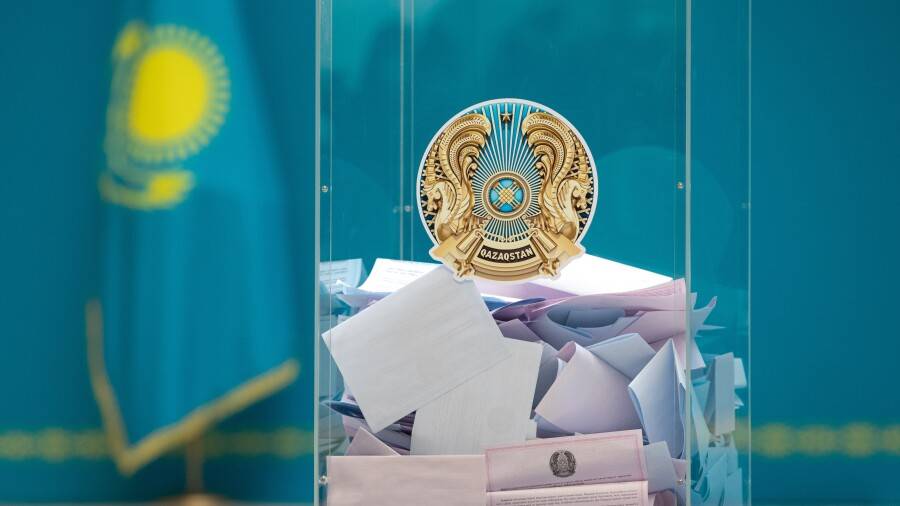
As the latest parliamentary election in Kazakhstan came to a close, the nation is abuzz with anticipation for what the future holds. With the votes tallied and the final results announced, it became clear that the election had produced a mix of familiar faces and newcomers.

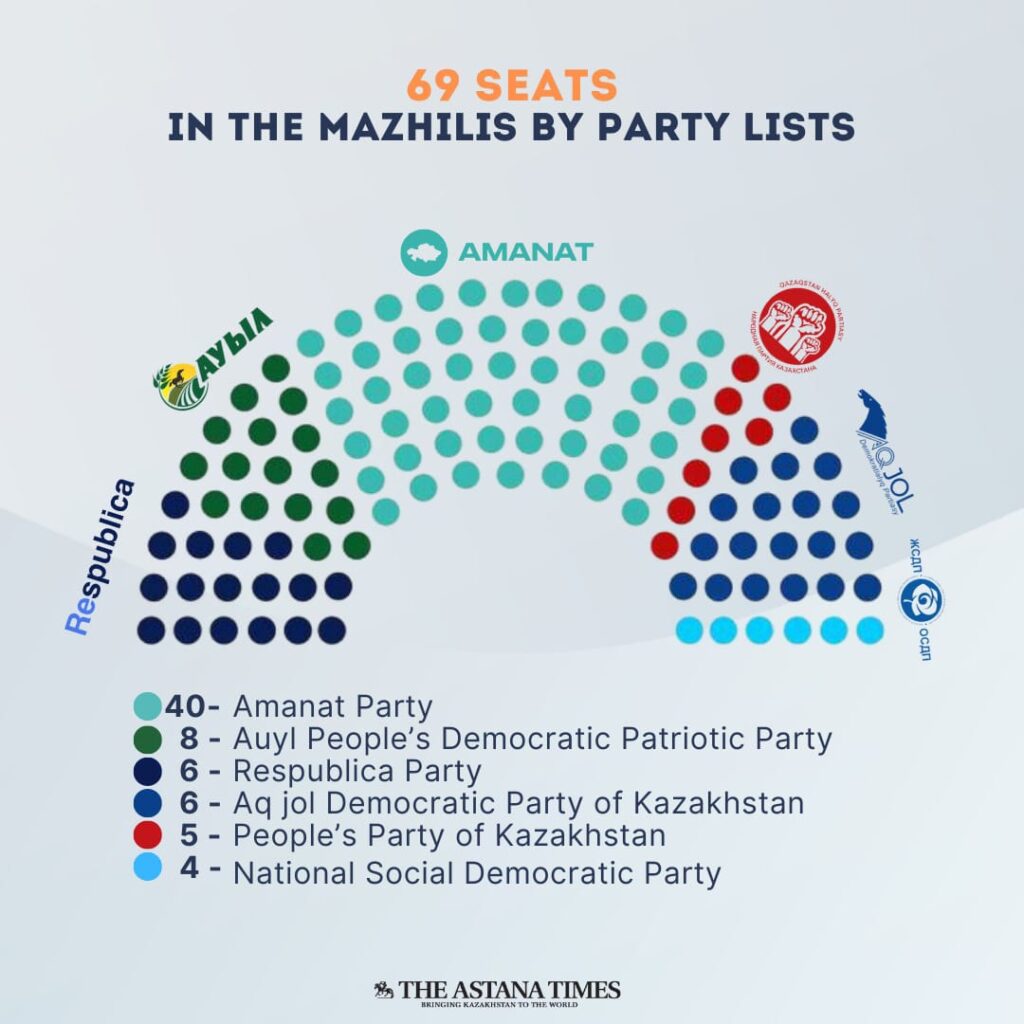
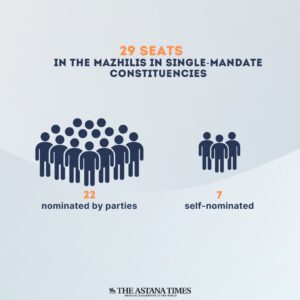
With the last year’s constitutional changes, Mazhilis, a lower chamber of the country’s Parliament, now consists of 98 deputies – 69 elected by party lists and 29 in single-mandate constituencies.

The election results were widely anticipated as Kazakhstan’s ruling party, Amanat, which has dominated the country’s political landscape, secured a resounding victory, winning 40 out of the 69 seats reserved for party lists.

The remaining seats were divided among five other parties, with Auyl People’s Patriotic Democratic Party winning eight. Aq Jol Democratic Party and Respublica party got six seats each, the People’s Party of Kazakhstan – five, and the National Social Democratic Party – four.

Twenty-six deputies elected by party lists have previously held seats in the Parliament, as the Kazakh legislation does not prohibit re-election. Aq Jol party leader Azat Peruashev has served the longest so far, receiving a deputy mandate since the fifth convocation in 2012.

Despite the predictable outcome of who will get the majority of seats in the Mazhilis, the election, which witnessed unprecedented competition, was still seen as a pivotal moment in Kazakhstan’s democratic journey.

It was rather a surprise that the Respublica party, registered just in January, mainly due to simplified party registration procedures, managed to garner enough votes to pass a five percent threshold. Baytaq, another new party building on the green agenda, however, failed to meet the target.

Three parties – Auyl, National Social Democratic Party, and Respublica – will be represented in the lower chamber for the first time, giving hope that the decision-making process will reflect more views and interests of citizens.

3.9 percent of the voters chose the “against all” option, which gives political parties and the state a chance to think about why they voted this way.

With the government taking steps to ensure the voting process was free and fair, international observers were invited to monitor the election. While some minor irregularities were reported, the process was seen as transparent and well-organized overall.

In their preliminary report, international observers from the Organization for Security and Cooperation in Europe (OSCE) Office for Democratic Institutions and Human Rights (ODIHR) and OSCE Parliamentary Assembly said the election offered increased choice for voters, though some limits on the exercise of fundamental freedoms and participation remain. The final report is expected to become public soon.

The election proceeded smoothly yet was marked by a rather average by international standards voter engagement. Somewhat under 54 percent of eligible voters turned out to cast their ballots.

One of the key highlights of the election was the diversity of candidates vying for 29 seats in single-mandate constituencies.

The majoritarian system existed in Kazakhstan up until 2004, when the majority of seats in the Mazhilis were distributed through this system before it was completely abolished. Under this system, the candidate who receives the most votes in the constituency is declared the winner and becomes a member of the Mazhilis.

Kazakh voters were spoiled for choice, as more than 380 candidates were vying for the 29 single-mandate seats. People recognized their friends, relatives, or neighbors on campaign posters as if politics was no longer a distant thing. Yet, just seven self-nominated candidates got seats in the Parliament, and the remaining were distributed to candidates running from parties.

The competition was the fiercest in Almaty and Astana.

Daulet Mukayev, a public figure and former Amanat party member, and Daulet Turlykhanov, Kazakh Greco-Roman wrestler, a 1989 world champion, a 1995 European and Asian champion, and a silver (1988) and bronze (1992) Olympic medalist, represent the capital city of Astana in the Mazhilis. Turlykhanov was running from Amanat.

Almaty, Kazakhstan’s largest city, is represented by Yermurat Bapi, a prominent journalist and public figure, Yerlan Stambekov, an economist and public activist, and Bakytzhan Bazarbek, a lawyer and expert in the field of land law. All three were self-nominated candidates.

The introduction of a quota system in 2021 was designed to ensure a more representative parliament, with at least 30 percent of party lists reserved for women, youth, and people with disabilities. First endorsed in 2021, the parties did manage to meet this quota, yet almost all failed to meet it when forming fractions.

In this election, the quota was extended to people with disabilities and was also applied to the distribution of deputy mandates. Amanat party, in its statement, said 32 percent of its party fraction in the Mazhilis are women, young people, and people with disabilities.

The election results have met different reactions from the public, with some expressing satisfaction at the diversity of voices now represented in the Parliament, while others showing concerns over the dominance of established parties. Still, the overall sentiment is one of optimism and hope for a better future for the country.

Whether it is about rising prices, increasing incomes, shortage of water and energy, need for quality medical services in rural areas, or poor air quality in big cities, the newly elected deputies embark on an important duty to help address a wide array of issues that matter most to the people.

Source: The Astana Times
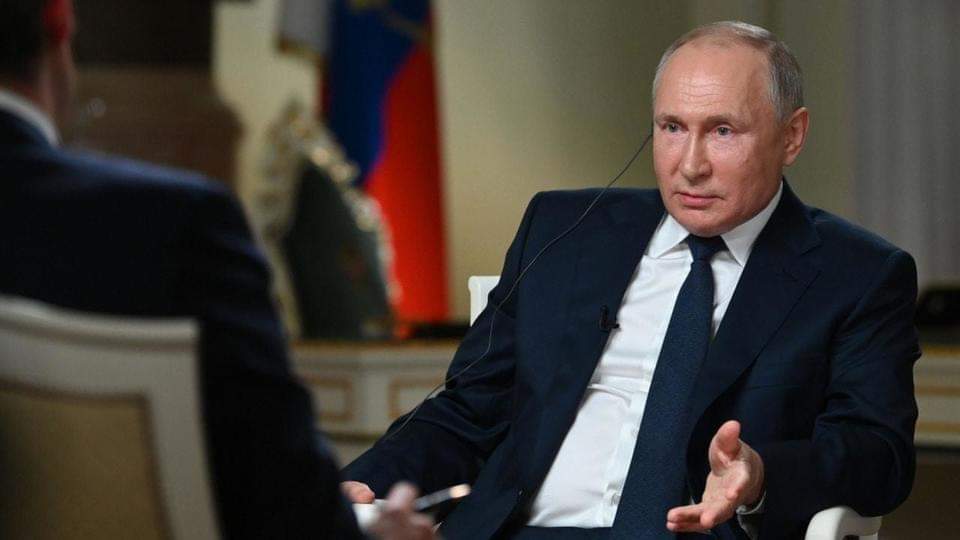
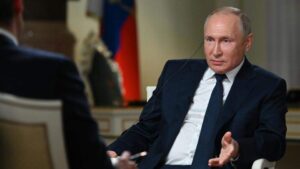
Vladimir Putin gave an interview to journalist Pavel Zarubin of the Rossiya1 TV channel.

28 March 2023

Main points:

🔹 Moscow and Minsk agreed to deploy tactical nuclear weapons in Belarus without violating international obligations. On July 1, the construction of a storage facility for them will be completed there.

🔹 Russia has something in response to the depleted uranium shells; it has hundreds of thousands of such munitions, but it is not using them yet.

🔹 The West supplies weapons to Ukraine covertly, but the Russian military is trying to destroy them in the process of delivery; of course, there is such a goal.

🔹 The Russian military-industrial complex is developing at a very fast pace, which many did not expect. The domestic industry will produce three times more ammunition than Western countries supply to Ukraine; the total number of Russian army tanks will be three times higher than the number of tanks of the Armed Forces of Ukraine.

🔹 The main focus of the talks with the President of China Xi Jinping was the economy. China needs a stable supply of energy resources, and the Russian Federation is able to provide such stability. Both countries are striving to join forces in high-tech areas where they have high competitiveness.

🔹 The President of China also paid a lot of attention to revealing the positive inception of the Chinese plan for a peaceful settlement in Ukraine.

🔹 Russia and China are developing cooperation, including in the field of military-technical cooperation, but they are not creating a military alliance and do not threaten any countries.

🔹 The growing dependence of Russia on China is not discussed by sceptics but by envious people. “For example, the dependence of the European economy on China is growing at a much faster pace than Russia’s. It is different, so they should rather think of themselves,” the President noted.

🔹 The US is hurting itself by limiting the use of the dollar for politically biased reasons. Russia will expand the use of the currencies it considers reliable.

🔹 The trip to Mariupol, which Vladimir Putin took last week, was long overdue. It was necessary to use the example of this city to see how the restoration has been proceeding.

Russian Embassy in Pretoria

International Observers Declare Parliamentary Elections in Kazakhstan As Free and Fair

Photo credit: informburo.kz.

BY SHAMS ABBASI
ELECTION 2023, NATION
28 MARCH 2023

ASTANA – International observers consider the recent parliamentary elections in Kazakhstan to be free and fair and in accordance with international standards, which will usher in a new era of democracy in the country.

Approximately 800 international observers and journalists observed the election process by visiting polling stations in 20 regions of the country. They expressed their satisfaction with the election and the polling process.

The parliamentary election was observed by representatives of various global and regional organizations and think tanks, including the Shanghai Cooperation Organization (SCO), the Organization of Turkic States, the Parliamentary Assembly of the Collective Security Treaty Organization, and the Assembly of Turkic States.

Most observers noted the transparency of the election, no irregularities or violations, as well as active and free campaign by candidates.

Grigory Logvinov, Deputy General Secretary of the SCO, said the election was free and fair and he did not have any complaints while visiting the polling stations. He noted that the parliamentary election and the constitutional reforms in Kazakhstan are a commendable process.

Said Cheh Hussaini, Deputy Secretary General of the Organization of Islamic Cooperation, said he visited many polling stations and found the voting process to be smooth. He praised the democratic process in Kazakhstan, also noting that the elections were free and fair.

After the election results, international observers emphasized that the high standard of the election is an excellent step towards democracy for Kazakhstan.

“The increased competition, particularly with self-nominated candidates, is a significant development,” said observers from the OSCE Parliamentary Assembly.

“Kazakhstan, a country that upholds the defining features of democracy, such as the rule of law, freely elected parliament, strong opposition, and representative government, might serve as an example for the region,” said Pedro Roque Oliveira, a member of the Portuguese parliament.

Kazakhstan’s political development was also praised by Daniel Robert Kawczynski, a member of the UK Parliament, who said: “I must applaud the will of the Kazakh people in working together in such a short period of time, after the fall of the Soviet Union, to create this functioning democracy.”

In line with constitutional changes implemented last year, a proportional-majoritarian model was used in the election for the first time since 2004, where 30 percent of members of the Mazhilis (lower house of parliament) are elected in single-member districts.

There were 281 party list candidates vying for 69 seats and approximately 370 single-mandate candidates (including independent and self-nominated) seeking 29 seats in the lower house.

The constitutional amendments and reforms passed last year have also granted more powers and influence to the Mazhilis and the local government. The term in office for an elected member of parliament is five years, though the MPs are not prohibited from being re-elected.

This was the ninth legislative election in Kazakhstan since its independence. It marks the final stage in the political renewal cycle in the country, which started with a presidential election last year and a Senate election earlier this year.

Six out of seven parties that participated in the election gained seats in the Mazhilis, according to the final results announced by the Central Election Commission at a March 27 meeting.

The author is Shams Abbasi, an economics correspondent from Pakistan.

The happiest countries in the world


27 March 2023
Anna Fleck
Data Journalist, Statista

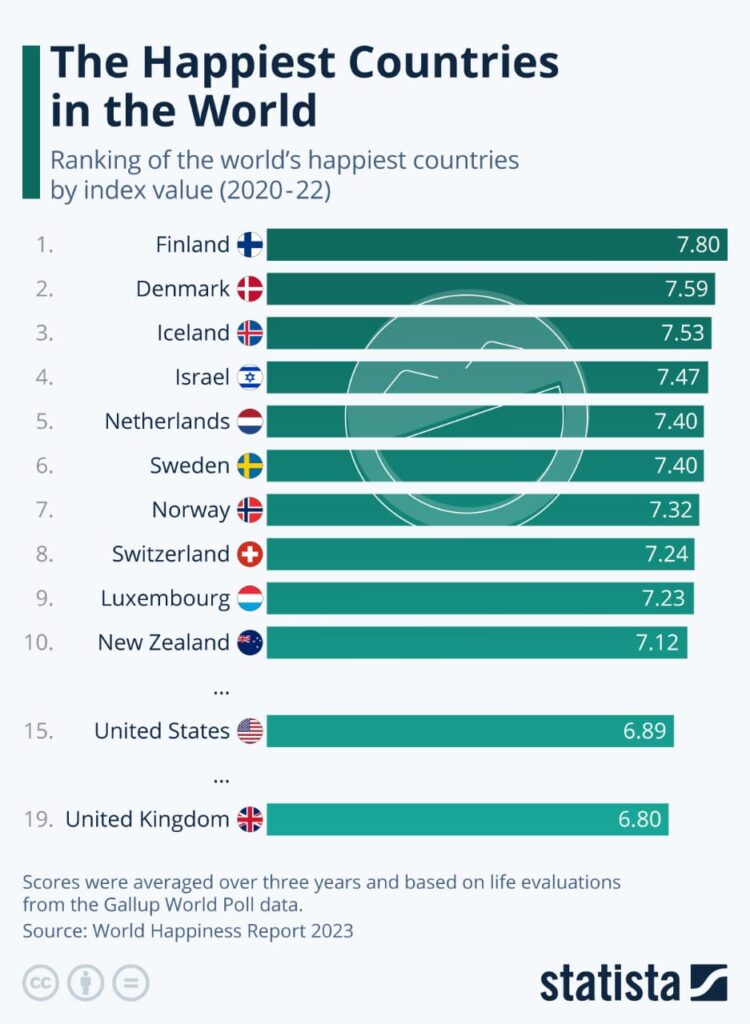
Finland has topped the World Happiness Report rankings for the sixth year running.

It is a long way ahead of its nearest rivals, fellow Nordic countries Denmark and Iceland

The 2023 World Happiness Ranking scores were determined using a three-year average from 2020-22, but there have been some critics of its methodology.

Latin American countries would have been considered the happiest if the index was based on the amount of positive emotion people experience, rather than on GDP and other factors, one writer has pointed out.
Finland leads the ranking of the world’s happiest countries for the sixth year in a row, according to the 2023 World Happiness Report.

Photo: Finland has again topped the list of the happiest countries in the world according to the World Happiness Report rankings.
Image: Pexels/Rosemary Ketchum

While its score (7.80) is significantly ahead of all other countries, a sizeable chunk of the top ten roundup are also Nordic, with Denmark in second place (7.59), Iceland in third (7.53), Sweden in sixth (7.40) and Norway in seventh (7.32).

Slightly further down the ranking stand the United States in 15th place and the United Kingdom in 19th, with the latter having now dropped positions for four years in a row.
At the bottom of the World Happiness Ranking are Zimbabwe (3.20), Sierra Leone (3.14), Lebanon (2.39) and Afghanistan (1.86).

Critics argue that the index is problematic for several reasons. For one, the terminology of “happiness” is disputed by some who would argue that in the case of Finland, at least, “satisfaction with their lives” would have been a more accurate summary. In a 2018 paper on the topic, one Finnish writer pointed out that where Nordic countries came out on top for factors like GDP per capita and freedom from oppression, Latin American countries such as Paraguay and Guatemala would have been considered the happiest if the index was based on the amount of positive emotion people experience, while African countries including Togo and Senegal would have ranked higher when based on whether citizens experience their lives as “meaningful.”

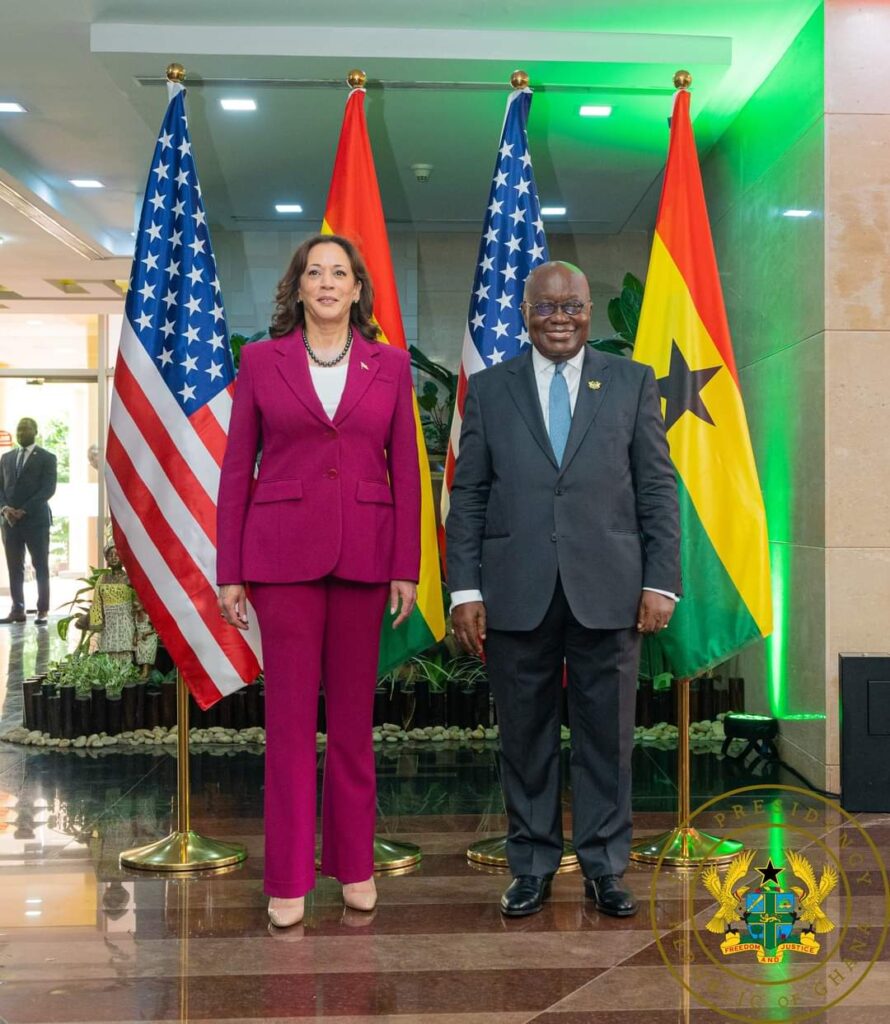
Ghanaian President Nana Akufo-Addo, welcomes the US Vice President, the Hon. Kamala Harris

Photo: Ghanaian President Nana Akufo-Addo and the US Vice President, Hon. Kamala Harris
Photo Credit: The Presidency

27 March 2023

Ghanaian President Nana Akufo-Addo on Monday, welcomed the US Vice President, Hon. Kamala Harris, to the country’s presidential palace — the Jubilee House

President Nana Akufo-Addo said the purpose of the visit by the American Vice President was to re-affirm the ties of co-operation and the bonds of friendship that our two countries attach to our relations with each other.

Vice President Harris and I first had the opportunity of meeting at the White House in 2021, and, subsequently, where we both pledged to the commitment of exploring further areas of interest for the mutual benefit of our two countries. This visit reinforces the commitment to engage further.

I am happy to state that this afternoon’s meeting has further boosted the steadfast cooperation between us, and Ghana would continue to collaborate with the United States of America at all levels, particularly towards the peaceful resolution of conflicts and in the search for global peace and security to promote sustainable development around the globe, said President Nana Akufo-Addo.

US Vice President Kamala Harris praised President Nana Akufo-Addo for his “democratic principles” and pledged more than $100 million (€ 93 million) in an aid package to the country and vowed to help Ghana with their regional security issues and deteriorating economy.
“Under your leadership, Ghana has been a beacon of democracy and a contributor to global peace and security,” she said to the Ghanaian President after their meeting.

Harris arrived in Ghana on Sunday, her first stop in her week long tour to Africa and was welcomed at Accra’s Kotoka International airport by schoolchildren who cheered and waved Ghanaian and American flags.

Harris, is being accompanied by her husband Douglas Emhoff on the trip. “We are looking forward to this trip as a further statement of the long and enduring and very important relationship and friendship between the people of the United States and those who live on the continent of Africa,” Harris said.

She said she was “very excited about the future of Africa,” adding that she would be discussing issues like increasing food security, climate change, and growing investment on the continent.

Harris will spend three nights in Ghana, two nights in Tanzania, and one in Zambia. She is the highest-ranking member of the Biden administration to visit Africa this year. She will meet with leaders of each country and lay a wreath to commemorate the 1998 bombing of the US embassy in Dar es Salaam, in Tanzania.

The US unveiled an African strategy in August last year, with an eye on bolstering democracy on the continent.

People’s Republic of China and the Republic of Honduras Establish Diplomatic Relations

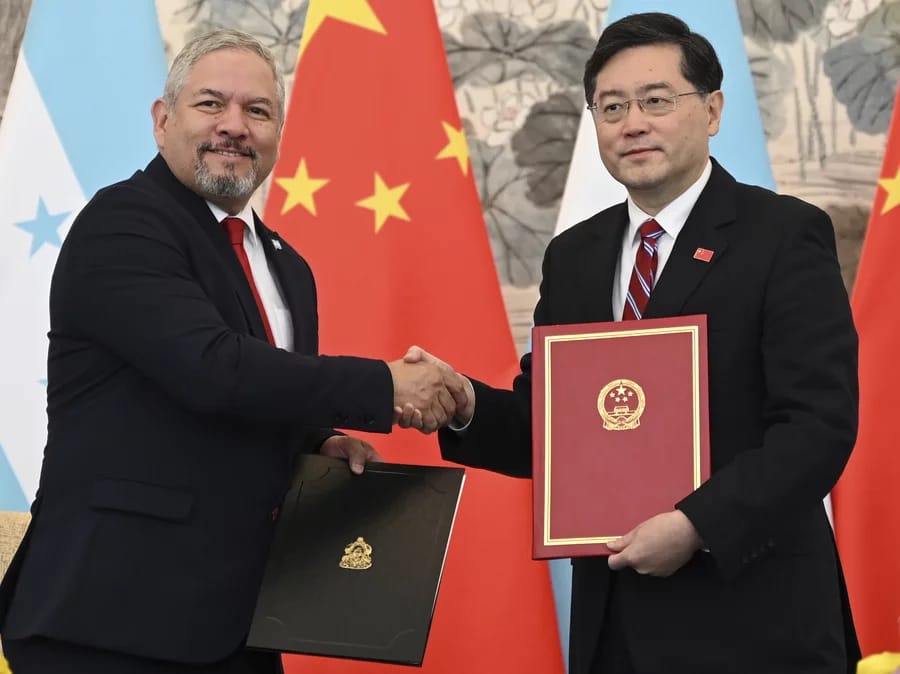
Photo: Honduras Foreign Minister Eduardo Enrique Reina Garcia, left, and Chinese Foreign Minister Qin Gang shake hands following the establishment of diplomatic relations between the two countries, at a ceremony in the Diaoyutai State Guesthouse in Beijing Sunday, March 26, 2023.

Photo credit: Greg Baker/AP

27 March 2023

On 26 March 2023, State Councilor and Foreign Minister Qin Gang held talks with Foreign Minister of Honduras Eduardo Reina in Beijing, and they signed the Joint Communiqué on the Establishment of Diplomatic Relations Between the People’s Republic of China and the Republic of Honduras. The main points of the communiqué are as follows:

The People’s Republic of China and the Republic of Honduras, in keeping with the interests and desire of the two peoples, have decided to recognize each other and establish diplomatic relations at the ambassadorial level, effective from the date of signature of this communiqué.

The two Governments agree to develop friendly relations between the two countries on the basis of the principles of mutual respect for sovereignty and territorial integrity, mutual non-aggression, non-interference in each other’s internal affairs, equality, mutual benefit and peaceful coexistence.

The Government of the Republic of Honduras recognizes that there is but one China in the world, the Government of the People’s Republic of China is the sole legal Government representing the whole of China, and Taiwan is an inalienable part of China’s territory.
The Government of the Republic of Honduras shall sever “diplomatic relations” with Taiwan as of this day and undertakes that it shall no longer develop any official relations or official exchanges with Taiwan. The Government of the People’s Republic of China appreciates this position of the Government of the Republic of Honduras.

The Honduran Foreign Ministry said Sunday that it recognized that there is only one China, with Beijing the sole legitimate government representing it. “Taiwan is an inalienable part of Chinese territory and as of this date, the Honduran Government has informed Taiwan about the severance of diplomatic relations, pledging not to have any official relationship or contact with Taiwan again,” the statement read.

The establishment of Honduras Diplomatic Ties with Beijing, leaves Taiwan with just 13 diplomatic partners. Taiwan will close its embassy and consulate in Honduras, Taiwanese Foreign Minister Joseph Wu said at a news conference in Taipei on Sunday, and has withdrawn its ambassador from the country and will bring back all technical staff who aided development there. Mr. Wu said Taiwan is requesting that Honduras do the same. Taiwan’s Defense Ministry said it is working to bring back Taiwanese military personnel based in Honduras and send back some 30 Honduran military students studying in Taiwan.

Mr. Wu said that Beijing had never stopped trying to induce Tegucigalpa to change its diplomatic recognition. As a result, he said, Honduras had asked Taipei for several billion dollar in economic aid and weighed competing aid packages from Beijing and Taipei.

“We call on all countries to see clearly that China’s aid is in essence ‘saying one thing and doing another,’” Mr. Wu said, vowing not to bow to Beijing’s pressure.

In a video address released Sunday, Taiwanese President Tsai Ing-wen said Taiwan “won’t play the pointless diplomatic money game with China,” and that threats from Beijing won’t undermine the will of the Taiwanese people to maintain democracy and freedom.

A spokesman for the American Institute in Taiwan, the de facto U.S. Embassy in Taipei, said, “While Honduras’s action is a sovereign decision, it is important to note the PRC often makes promises in exchange for diplomatic recognition that ultimately remain unfulfilled,” referring to the formal name of the government in Beijing, the People’s Republic of China. He added, “We strongly encourage all countries to expand engagement with Taiwan.”

Honduran President Xiomara Castro said on March 15 that her nation would move to establish diplomatic ties with Beijing, ending its decadeslong relations with the island democracy now based in Taipei.

TDIM SA

#People’sRepublicofChina
#RepublicofHonduras
#DiplomaticRelations
#PRCHondurasRelations
#Diplomacy

Pakistan National Day Celebrated in South Africa

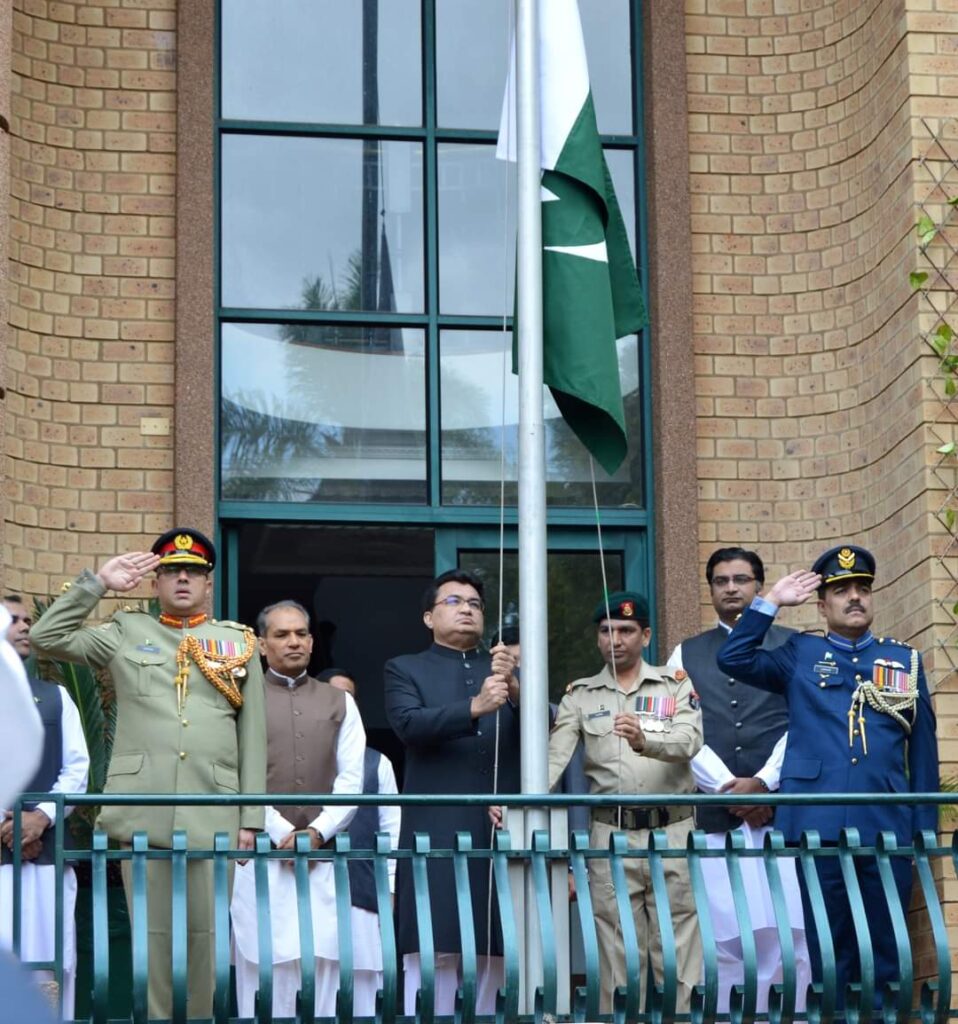
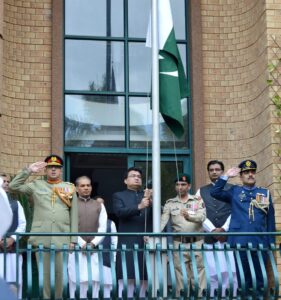
Photo: Pakistan National Day, flag hoisting ceremony,

27 March 2023

Pakistan National Day was celebrated in Pretoria with traditional zeal and fervor. The Day began with a graceful flag hoisting ceremony, to which the entire Pakistani community was invited.

The event was attended by a large number of members of the Pakistani community. Messages of the President and the Prime Minister of Pakistan were read out at the occasion.

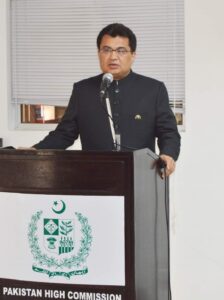
Photo: High Commissioner of Pakistan, His Excellency Mr. Aftab Hasan Khan highlighted the significance of this historic day in the history of the Muslims of the subcontinent.

In his remarks, High Commissioner Aftab Hasan Khan highlighted the significance of this historic day in the history of the Muslims of the subcontinent. He said, “23rd March, 1940 was a defining moment in the freedom struggle of the Muslims of the Indo-Pak subcontinent. Today, we pay homage to the founding fathers of Pakistan who showed exemplary prudence, determination, and commitment to the Pakistan movement, ultimately leading to our Independent and sovereign motherland, Pakistan”.

He urged the Pakistani community to abide by Quaid-e-Azam’s principles of Unity, Faith, and Discipline.

He paid tribute to the countless sacrifices that Pakistani armed forces, police personnel, and ordinary citizens have made for the nation.

High Commission of Pakistan
Pretoria, South Africa

#PakistaninSA
#PakistanNationalDay
#NationalDay2023

The Success of the 2023 Parliamentary Elections in the Republic of Kazakhstan contributes further to the efforts towards Kazakhstan’s political modernization

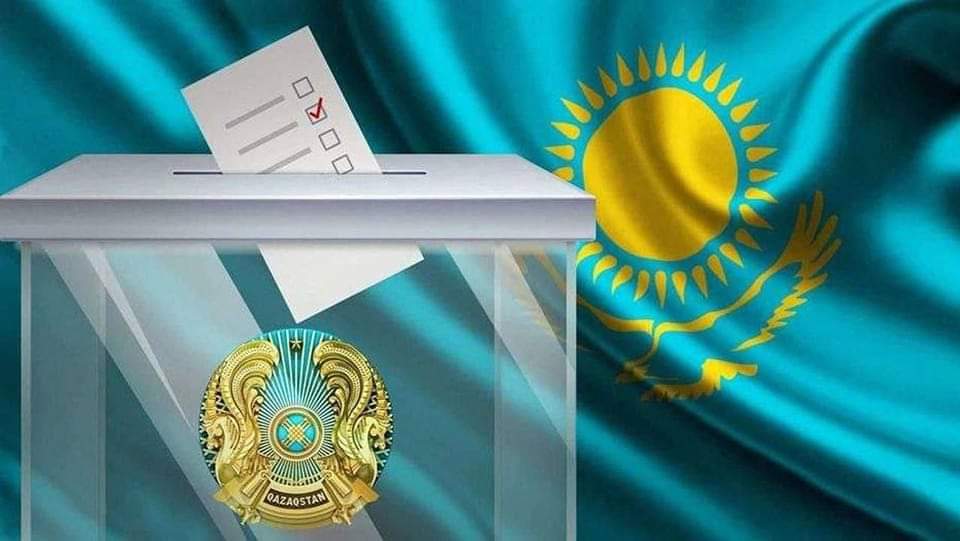
Photo:The 2023 Kazakh Parliamentary Elections


24 March 2023

By Susan Novela

The Diplomatic Informer Magazine SA


Kazakhstan held early legislative elections alongside local elections on 19 March 2023 to elect the members of the Mäjilis. These were the ninth legislative elections since Kazakhstan’s independence in 1991 and the first early elections for the Mäjili seats since 2016.

Voters in Kazakhstan went to the polls to elect lawmakers for the lower house of parliament, which has been reconfigured in the wake of the deadly unrest that gripped the resource-rich Central Asian nation a year ago. 10,223 polling stations both in the country and abroad, where 77 stations in 62 countries were made available for Kazakhstan’s citizens abroad. About 54% of eligible voters cast their ballots, according to the National Elections Commission. Many foreign observers described the elections as “transparent and open” thereby entrenching the legitimacy of the government for adherence to constitutional reforms and amendments made by Kazakhstan government.  The elections were generally in line with national legislation and international election standards.

Over 6.5 million Kazakh citizens out of more than 12 million eligible voters cast their ballots at 10,223 polling stations across Kazakhstan. Turnout varied across the country, with the Kyzylorda Region leading with 67.21 percent. The lowest turnout was recorded in the city of Almaty, with 25.82 percent, a trend that the city has shown in almost all previous elections.

Only a few regions passed the 60 percent mark, including: the Zhambyl Region at 65.23 percent, the Kostanai Region at 65.1 percent, the North Kazakhstan Region at 65.25 percent, and the East Kazakhstan Region at 64.15 percent.  A total of 42.41 percent of eligible voters exercised their right in Astana, the country’s capital, while in Shymkent, another city of national significance, voter turnout reached 45.46 percent.

These were the most competitive legislative elections in Kazakhstan’s modern history, a key step in building a Just and Fair Kazakhstan. These elections demonstrated how far the country has come on its journey towards greater participatory democracy.

Photo: Kazakhstan: Astana, A voter casting her ballot at Polling station 309 at the National Museums of the Republic of Kazakhstan.

Seven political parties competed in the elections, including two new parties that were able to participate due to simplified party registration rules. A total of 281 candidates from seven party lists vied for seats in the Majhilis, in addition to 435 candidates in single-mandate constituencies, including 359 self-nominated candidates.

The previous legislative elections in Kazakhstan took place in January 2021. Five parties participated in those elections, with three parties gaining seats in the MaJhilis – the ruling Amanat party (previously Nur Otan), Aq Jol, and the People’s Party.

Significant work has been conducted in Kazakhstan in recent years on comprehensive political modernization. These elections finalize the transition from a super-presidential system towards the normative presidential system under a model put forward by President Kassym-Jomart Tokayev-  a “strong” President, an influential parliament, and an accountable government.

Photo: Voting taking place at
Polling station No. 639, the House of Culture District

Photo credit: The Diplomatic Informer Magazine SA

#Kazakhstan

These elections became a continuation of massive transformation. President Kassym-Jomart Tokayev’s visionary policies and robust projects that have steered the country onto a path of glorious development and progress. President Tokayev has always kept the “public first” approach. He has driven remarkable initiatives, which are the basis for creating a new socio-economic approach for the further development of the country. While building a new Kazakhstan, advancing political reforms, ensuring macroeconomic stability, and developing entrepreneurship. The country has also strengthened local governments and increased the role and stature of the parliament. It will continue to modernize the economy, ensure effective governance, and raise the standard of living for its people. The government’s vision for the future development of the country and raising people’s welfare.

Since January 2022, Kazakhstan has further embarked on a reform process to guarantee the country’s stability, and according to Kazakh official statements, increase domestic modernisation and democratisation. Indeed, Kazakh President Kassym-Jomart Tokayev has often reiterated his strategy of opening a new stage of political development for the country, which lays the foundation for a “New and Just Kazakhstan.”

In March 2022, President Tokayev proposed constitutional reforms aimed at changing the entire state model and form of government in the country by limiting the powers of the president, strengthening the role of Parliament, expanding the participation of citizens in political processes and further strengthening the protection of human rights.

The Kazakhstan’s Parliamentary elections held on March 19, the exit poll showed the ruling Amanat Party winning 53-54% of the vote, gaining a majority. The success of these elections confirms the Kazakh citizens’ approval of the work of President Kassym-Jomart Tokayev and thus seal his leadership and government by giving them solid support for their strategy both in domestic and foreign policy.

Photo: Kazakhstan: Astana, The Diplomatic Informer Magazine visited Polling station 309 at the National Museums of the Republic of Kazakhstan during voting.

The Central Election Commission (CEC) announced the preliminary results of the March 19 election to the Majhilis, the lower house of parliament of Kazakhstan preliminary data, over 6.3 million people voted in the election, a turnout of approximately 54%, six parties received enough votes to pass the required five percent threshold to gain seats in parliament as follows:

Amanat – 53.9% (over 3.4 million votes)

Auyl – 10.9% (693,938 votes)

Respublica – 8.59% (547,154)

Aq Jol – 8.41% (535,139)

People’s Party of Kazakhstan – 6.8% (432,290)

National Social Democratic Party – 5.2% (331,058)

Baytaq – 2.30% (146,431)

3.90% of voters chose the option “against all” – 248,291 votes.

Building democracy is work in progress and effort is needed for political modernization. The parliamentary elections were conducted at the highest standard and the multi-party system in Kazakhstan has made a step forward, setting an example for other countries. Kazakh citizens were inspired to secure the country’s peaceful development at the election.

We can only hope that the success of the 2023 parliamentary elections will contribute to the further consolidation of society, of democracy, and that the idea of a new and fair Kazakhstan will develop with the population really participating in these elections.

Congratulation to the government and the people of the Republic of Kazakhstan on the successful parliamentary elections and all measures taken to conduct the elections in strict compliance with the current legislation, and ensure openness, transparency, and democratic procedures of voting are commendable.

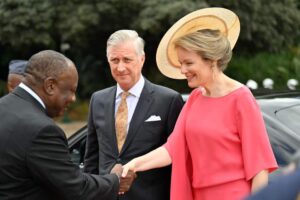
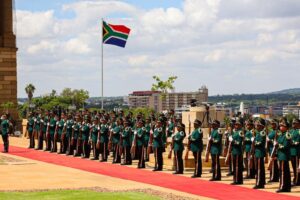
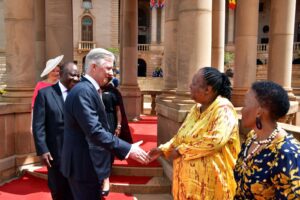
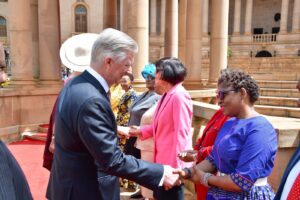
South African President Cyril Ramaphosa welcomed Belgium’s King Philippe and Queen Mathilda

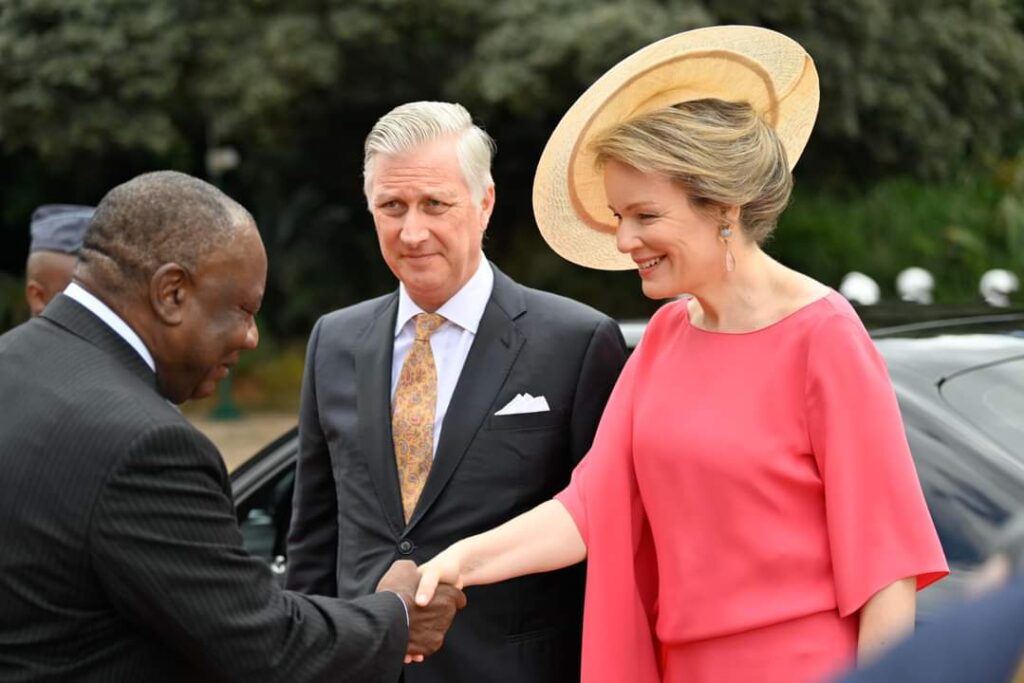
 Photos: President Cyril Ramaphosa welcomes His Majesty Prince Philippe and Her Majesty Queen Mathilda of the Kingdom of Belgium

Photo credit: GCIS  #BelgiumInSA

🇿🇦🇧🇪 #BetterAfricaBetterWorld

24 March 20

PRETORIA — South African President Cyril Ramaphosa welcomed Belgium’s King Philippe and Queen Mathilda to the capital Pretoria

Their Majesties, the King Philippe, and the Queen Mathilde of Belgium are on their State Visit to South Africa from 22 to 27 March 2023 at the invitation of President Cyril Ramaphosa

The visit – the first to South Africa by the Belgian monarchy – is a demonstration of the strong bilateral relations that exist between the two countries

The State Visit will serve to expand and strengthen bilateral relations between the two countries and revitalise economic relations with a focus on trade, foreign direct investment, and tourism

In his speech, President Ramaphosa lauded the European country for its assistance to Africa during the COVID-19 pandemic.  Ramaphosa emphasized the role played by Belgium in backing the World Health Organization’s mRNA technology transfer hub initiative established in South Africa to improve Africa’s access to vaccines and therapeutic

“I wish to express our appreciation to the kingdom of Belgium for its role in the global fight against COVID-19

Belgium is an important donor to the vaccine alliance GAVI, for the operation of COVAX, the COVID-19 Vaccines Global Access initiative,” said Ramaphosa at a press briefing with the Belgian King on Thursday

Ramaphosa added that Belgium had donated about 10 million doses of vaccines during the pandemic, with a significant proportion going to African countries in need of vaccine

Ramaphosa praised the collaboration between South Africa’s Afrigen Biologics firm and Belgium’s Univercells Group to develop a novel mRNA COVID-19 vaccine and to improve preparedness for future health emergencies

The effects of Russia’s invasion of Ukraine were also to be discussed between the two leaders, with Ramaphosa emphasizing that South Africa supports a peaceful solution to the war

“We look forward to sharing our perspectives on the conflict during our meeting and learning more about Belgium’s stance

It is also important to consider the impact of the conflict on the international economy, especially with regards to global food and energy security,” Ramaphosa said ahead of meeting privately with the kin

Belgian Foreign Minister Hadja Lahbib said Belgium understands South Africa’s stance on the war in Ukraine and urged South Africa to use its “channels of communications to advance on a path toward peace

“I think this is the major foreign policy issue for Europe, and it will likely remain so, I’m afraid, for the next months. We are fully committed to helping Ukraine defend itself. We see this as essential to defend European security but also the U.N. Charter’s principle,” said Lahbi

“We have always looked up to South Africa as a key partner for peace and the defence of human rights and basic international principles,” said Lahbi

The Belgian monarchs are expected to engage with South Africa’s business, academic, and civil society in Johannesburg and Cape Town over the next few days and visit historical and cultural site

South Africa and Belgium are also pursuing cooperation in renewable energy and, in particular, green hydrogen.

Belgium is one of South Africa’s most important economic partners, and many of South Africa’s exports enter Europe through the Port of Antwerp, which is the second largest in the European Union

South Africa enjoys a healthy trade surplus with Belgium with organic chemicals as the key export, followed closely by diamonds and motor vehicles. Belgian companies are also significant investors in the South African economy

Belgium is traditionally among the ten major sources of international tourists to South Africa

Relations between South Africa and Belgium are managed through a Joint Commission that meets at the level of Deputy Foreign Ministers

His Majesty, the King of the Belgians’ The official Belgian delegation is comprised of political, economic, and academic leadership, including the Federal Minister of Foreign Affairs, Ms. Hadja Lahbib, as well as ministers and representatives of the regions and communities of Belgium

#SABelgiumRelations

#SABelgiumRoyalvisit

#Their Majesties

#Bilateral

#Belgium

#SAEmbassyBelgium

#BelgiuminSA

#BelgiumEmbassySA

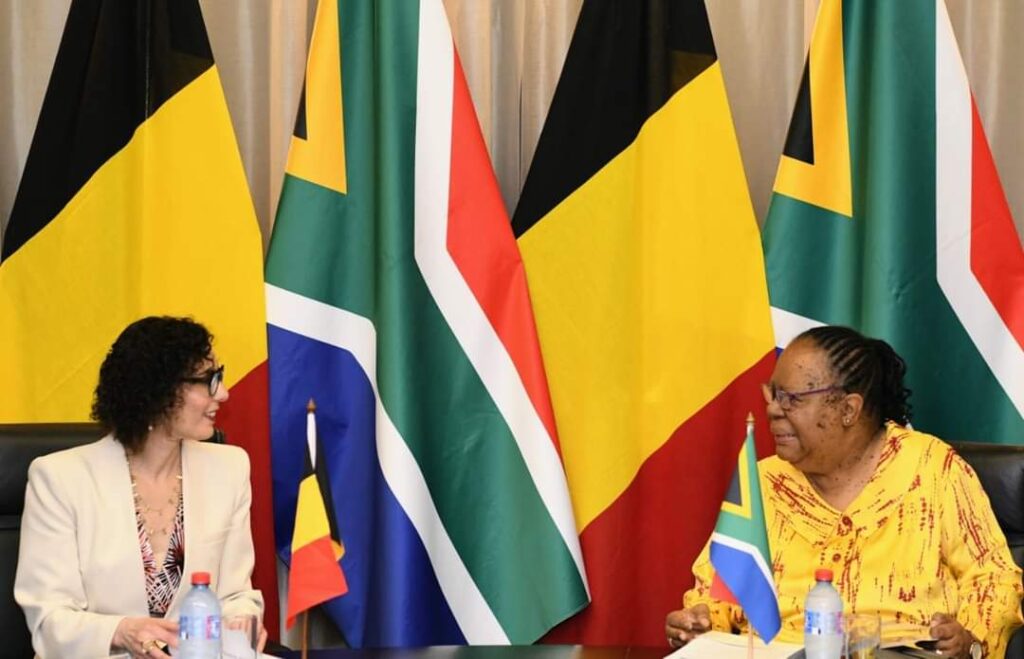
Minister Dr Naledi Pandor meets with her counterpart Minister Hadja Lahbib

Photo: Minister of International Relations and Cooperation, Dr Naledi Pandor and Minister of Foreign Affairs, European Affairs and Foreign Trade, and the Federal Cultural Institutions of Belgium, Ms Hadja Lahbib

Photo credit: Dirco

23 March 2023

The Minister of International Relations and Cooperation, Dr Naledi Pandor, met with the Minister of Foreign Affairs, European Affairs and Foreign Trade, and the Federal Cultural Institutions of Belgium, Ms Hadja Lahbib

Belgium is one of South Africa’s most important economic partners, and many of South Africa’s exports enter Europe through the Port of Antwerp, which is the second largest in the European Union.

South Africa enjoys a healthy trade surplus with Belgium with organic chemicals as the key export, followed closely by diamonds and motor vehicles.

#SABelgiumRelations🇿🇦🇧🇪