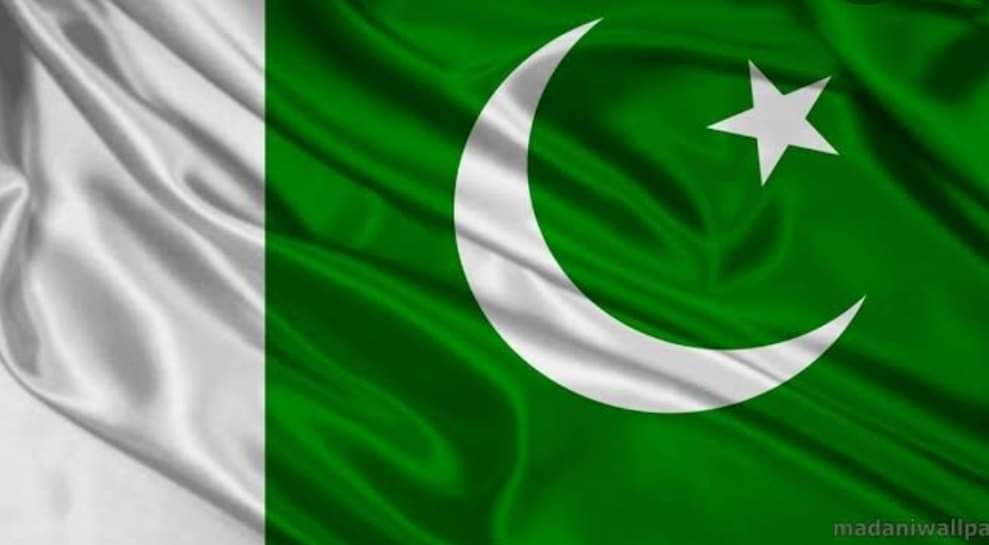
23 MARCH PAKISTAN RESOLUTION DAY, ALSO REPUBLIC DAY

Pakistan Day (Urdu [1]: یوم پاکستان‎, lit.
Yaum-e-Pakistan) or Pakistan Resolution Day, also Republic Day, is a national holiday in Pakistan. Commemorating the Lahore Resolution passed on 23 March 1940 and the adoption of the first constitution of Pakistan during the transition of the Dominion of Pakistan to the Islamic Republic of Pakistan on 23 March 1956 making Pakistan the world’s first Islamic republic.

A Republic Day parade by the armed forces is often part of the celebrations. The day celebrates the adoption of the Pakistan resolution by the Muslim League at the _Minar-e-Pakistan (lit. Pakistan Tower) that called for establishing an independent federation comprising provinces with Muslim majority located in north-western and north-eastern region of British controlled territories in India (excluding autonomous princely States) on 23 March 1940.

On this day a resolution was passed saying that Muslims in India wanted independence
and separate homeland and they were persecuted in India. Since then, the day is celebrated annually throughout the country as a public holiday.

The Pakistan Armed Forces usually hold a military parade to celebrate the event.

We congratulate Pakistan & send our best wishes for the unity, success & prosperity.

HAPPY NAURYZ, NAVRUZ,  NOWROUZ, TO ALL THOSE WHO ARE CELEBRATING THE (SPRING) CELEBRATIONS

21 March 2022

Nowruz is the Persian New Year. Also known as Nauryz, Navruz or Nowrouz, it means “new day.”

21 March is  officially recognized as International Nowruz Day by the United Nations at the request of countries including Azerbaijan, Kazakhstan, Turkey, Afghanistan, Albania, India, Iran, and Turkmenistan

Nauryz means ‘new day’, it is celebrated over several days from March 21st and marks Persian New Year which begins on the Vernal Equinox. The month of March is known as Nauryz in Kazakhstan.

The Iranian calendar is a solar calendar, meaning time is determined, through astronomical observations, by Earth’s movement around the sun. So, the first day of the year always kicks off with the natural phenomenon of the vernal equinox.

Iranian families also welcome the new year with sparkling homes and new clothes. They visit friends and neighbors and share meals and host parties. Communities come together to celebrate the beginning of spring and do so in hopes they will always be surrounded by healthy and clean surroundings, like their home.

More than 300 million people worldwide celebrate Nowruz — and have celebrated it for more than 3,000 years — from the Balkans to the Black Sea Basin to Central Asia to the Middle East and elsewhere.

It’s not a religious holiday but rather a universal celebration of new beginnings: wishing prosperity and welcoming the future while shedding away the past. That’s why families use this time to deep clean their homes and closets and buy fresh clothing.

It’s a month long celebration, filled with parties, craft-making, street performances and public rituals.

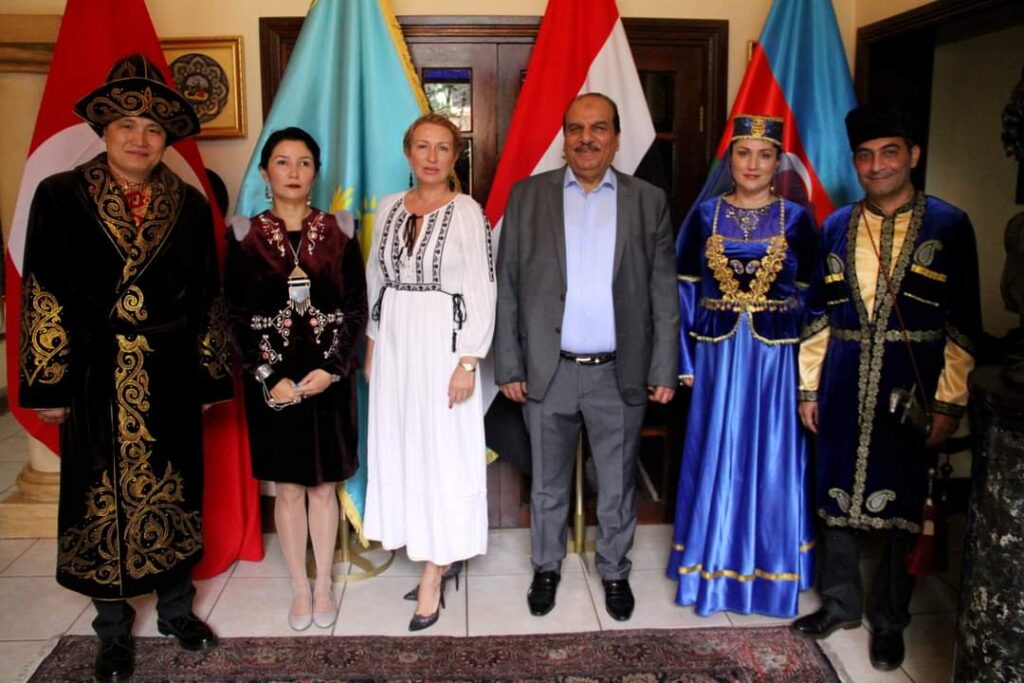
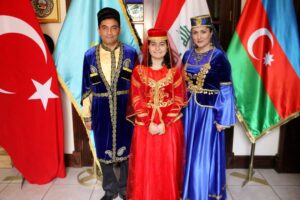
In March 2021,  International Nowruz Day was Celebrated in Pretoria, South Africa  at the Embassy of Azerbaijan for the first time by the Heads of Missions of the Republic of Azerbaijan, (Charge’ d’ affaires Mr. Yamin Jafarov), the Republic of Iraq (H.E. Ambassador Arshad Omar Esmaeel), the Republic of Kazakhstan (H.E. Ambassador Kanat Tumysh) and the Republic of Turkey (Former Ambassador Elif Comoglu Ulgen).

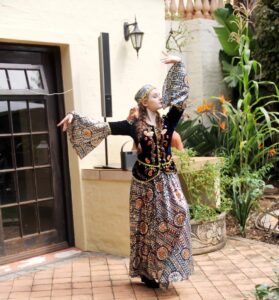
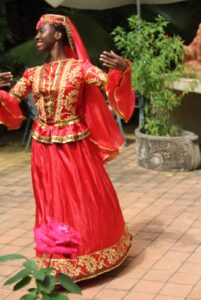
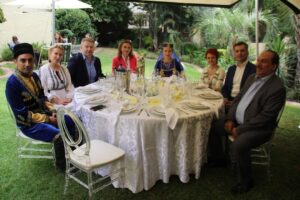
This was the first time the Embassies organized Nowruz celebrations event and celebrated together. The event was attended by other Heads of Missions accredited to South Africa, Chief of State Protocol of the Department of International Relations and Cooperation, Ambassador Losi, Diplomatic Staff, citizens of the different Embassies living in South Africa, as well as South African citizens.

Remembering the 2021 International Nowruz celebrations event in Pretoria with 2021
IMAGES of the first International Nowruz Day celebrations

Images by:The Diplomatic Informer Magazine

HAPPY NAURYZ, NAVRUZ,  NOWROUZ, TO ALL

#Nauryz
#Nauryz
#Nowrouz
#HappyNauryz

NEARLY 60 UKRAINIAN STUDENTS JOIN GEORGIAN SCHOOLS FOLLOWING STATE OFFER, OVER 50 TO FOLLOW

Agenda.ge, 22 Mar 2022
Tbilisi,Georgia

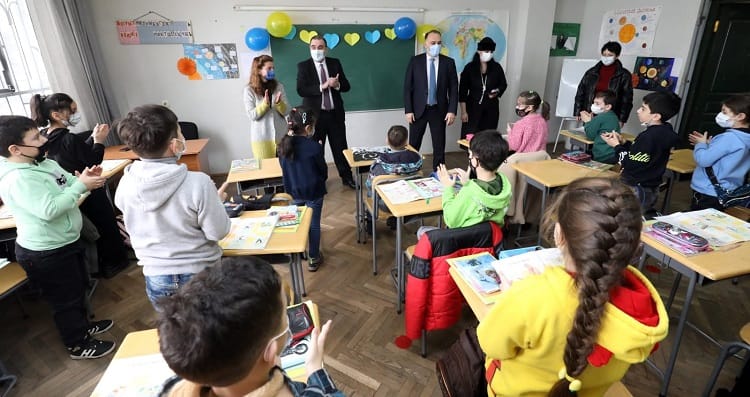
Parents of 110 Ukrainian students have enrolled their children in Georgian schools following an offer from the Ministry of Education and Science of Georgia for continuing their studies in the country as the war in Ukraine prevents them from going back, the Ministry announced earlier on Tuesday.

Fifty-eight of 110 students have already joined classes in the capital city of Tbilisi and regions of the country, while the remaining 52 will be enrolled in schools in the nearest future, the education body said.

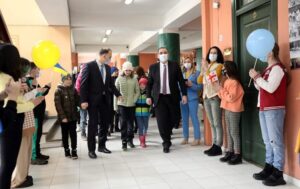
Minister Mikheil Chkhenkeli on Tuesday visited Tbilisi Public School No. 98, where several Ukrainian students have already started their classes. Chkhenkeli and the Director of the school met the parents of students and got acquainted with their needs.

The Education Ministry said on March 18 the Ukrainian students affected by the ongoing war in their country would be able to join the same classes they were attending in Ukraine as of February 24, 2022, when Russia launched its invasion of the country.

Public and private kindergartens in Tbilisi will also accept Ukrainian children free of charge, with Tbilisi Mayor Kakha Kaladze announcing on March 16 they would be given priority during pre-school admissions.

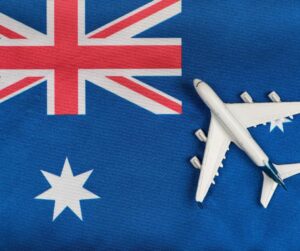
AUSTRALIAN HIGH COMMISSION IN PRETORIA, VISA APPLICATIONS UPDATE

22 March 2022

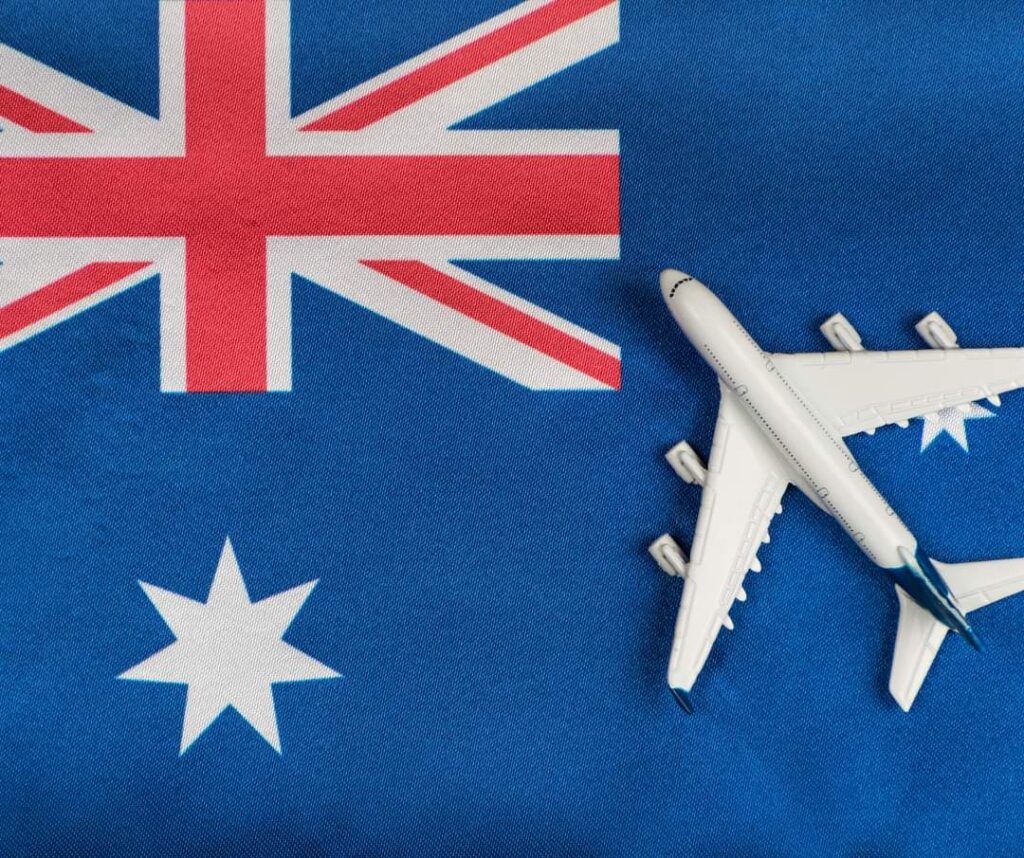
Please note there are a high number of visitor visa applications which were unable to be finalised due to travel restrictions in November. It will take time to process these applications as well as new applications which have been received since Australia’s borders reopened to visitors.

If you lodged your application more than 3 months ago, please upload updated information to your ImmiAccount. Relevant information to upload includes your current circumstances (employment information, financial information, or invitation letters) and travel plans. This will help us to work through the backlog of applications.

We encourage you not to make any irreversible travel plans until you have received a decision on your visa application as we may not be able to finalise your application before your desired travel dates due to a high number of applications. We appreciate your patience.

For more information on visas to Australia, see:https://immi.homeaffairs.gov.au

Australian Government Department of Foreign Affairs and Trade
Australian Department of Home Affairs

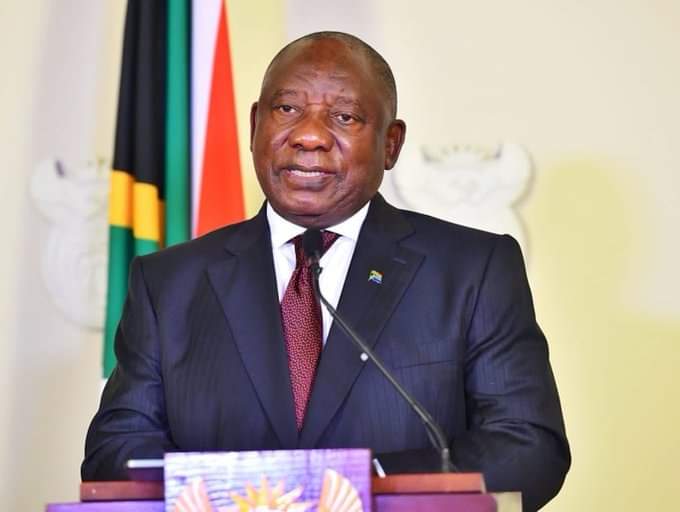
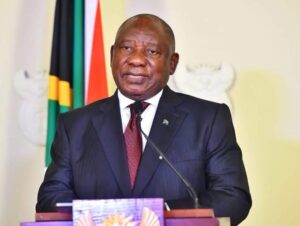
PRESIDENT CYRIL RAMAPHOSA ON SOUTH AFRICA’S RESPONSE TO CORONAVIRUS COVID-19 PANDEMIC.

22 Mar 2022

It is almost exactly two years since I stood before you to announce that South Africa would be entering a nation-wide lockdown to contain the spread of the COVID-19 virus. This was a drastic and unprecedented measure.

But it slowed the spread of the virus so that our health facilities – and indeed our society – had time to prepare for the anticipated surge in infections.

Since then, we have had to adjust our response as the pandemic has changed, as infections have risen and fallen, and as our health facilities have come under pressure.

For two years, our lives have been shaped by this pandemic.

South Africa has had more than 3.7 million cases and has recorded nearly 100,000 COVID19 deaths.

The pandemic has changed the way we work, travel, worship and socialise.

It has shattered many livelihoods and devastated our economy, leading to the closure of many businesses and the loss of some two million jobs.

Yet it has also shown South Africans to be a caring and compassionte people, coming to each other’s assistance at the hour of the greatest need.

When we were called upon to observe restrictions on movement, gatherings and various activities, as South Africans, we did so, knowing that it is for the sake of our health and lives and the good of the country.

Over the past two years, we have taken unprecedented actions to strengthen our health system.

We hired more people to deal with the pandemic, built more hospital and laboratory capacity and ensured that COVID patients are well cared for in our hospitals.

We are now at a watershed moment.

We are now ready to enter a new phase in our management of the pandemic.

After four waves of infection, fewer people are becoming severely ill and requiring hospitalisation. There are far fewer deaths than before.

Our scientists tell us that this is mainly because some 60 to 80% of the population has some form of immunity to the virus, either from previous infection or vaccination.

From the experience of the past two years, our health services have learnt to manage the disease more effectively.

We have gotten used to wearing masks and washing our hands regularly.

Most importantly, 48 per cent of all adults have received at least one vaccine dose.

We therefore enter the third year of this pandemic more hopeful than ever before.

While the pandemic is not yet over, and while we remain cautious, we see many parts of our daily life returning to normal.

We see our economy returning to full operation.

We feel the fear and despair of the last two years lifting from our shoulders.

Due to the changing nature of the pandemic, and due to the progress that has been made through our collective efforts, we intend to lift the National State of Disaster as soon as public comment on the health regulations published by the Minister of health has been completed.

These regulations, when finalised, will replace the State of Disaster regulations as the legal instrument that we use to manage the pandemic.

All South Africans are invited to make comments on the draft regulations before the 16th of April.

What should be clear is that the end of the National State of Disaster does not mean the end of the pandemic.

It just means that we are changing the way we manage the pandemic, and we will be relying on health regulations rather than disaster management regulations.

It means that we are learning to live with the virus in our presence.

It means that we are returning, as far as possible, to the lives that we lived before the pandemic.

It means that we are opening our economy still further, and that we are resuming many of the social and cultural activities that we have missed over the last two years.

Since October last year, the country has been at Adjusted Alert Level 1, which has meant that many normal activities have resumed with health guidelines followed at all times.

Most of the restrictions on economic activity have been lifted.

We are now able to ease the restrictions further.

In deciding which restrictions to ease and which to keep in place, we are guided – as before – by the advice of the Ministerial Advisory Committee on COVID-19.

We have also looked to the experiences of other countries, including those where the complete lifting of restrictions has been followed by a surge in infections and deaths.

Knowing that we have to enter a new phase in our management of the pandemic we took time to consult widely with various stakeholders, including religious bodies and traditional leaders.

Earlier today, we held a meeting of the Presidential Coordinating Council, which brings together Premiers, Mayors of all Metros, Ministers and Deputy Ministers, representatives of the South African Local Government Association, as well as traditional leaders.

Based on those consultations and the recommendations of the National Coronavirus Command Council, Cabinet has decided to ease several restrictions as part of Adjusted Alert Level 1.

The restrictions on gatherings are being significantly changed.

In previous regulations, the emphasis was on placing an upper limit on the number of people
who could attend a gathering.

The approach going forward is that both indoor and outdoor venues can now take up to 50 percent of their capacity provided that the criteria for entrance are proof of vaccination or a COVID test not older than 72 hours.

But where there is no provision for proof of vaccination or a COVID test, then the current upper limit will remain – of 1,000 people indoors and 2,000 people outdoors.

This change to the restrictions on gatherings will be of great benefit to the sporting, cultural, entertainment and events industries in particular.

This means that if we are vaccinated or have recently tested negative, we will be able to return to watching sports in stadiums and attending music concerts, theatre performances, conferences and other events.

The maximum number of people permitted at a funeral will increase from 100 to 200.

As before, night vigils, after-funeral gatherings and ‘after-tears’ gatherings are not allowed.

There are also important changes to the regulation on the wearing of masks.

As before, it is mandatory to wear a cloth mask or similar covering over the nose and mouth when in public indoor spaces.

However, a mask is not required when outdoors.

This means that we still need to wear masks when in shops, malls, offices, factories, taxis, buses, trains or any other indoor public space.

But we do not need to wear masks when walking on the street or in an open space, when exercising outdoors or when attending an outdoor gathering.

The regulations on social distancing are also being changed, requiring that a space of 1 metre is maintained between persons in all settings except schools.

There are also changes to the regulations on international travel. Travellers entering South Africa will need to show proof of vaccination or a negative PCR test not older than 72 hours.

All unvaccinated travellers entering the country who want to be vaccinated will be offered a vaccination.

These measures will take effect from tomorrow, Wednesday the 23rd of March 2022, once the new regulations are gazetted.

With these changes, almost all restrictions on social and economic activity will have been lifted.

Going forward, our most important defences against the disease are, firstly, vaccination and, secondly, the observance of basic measures, such as wearing masks indoors.

The further easing of the remaining restrictions will require that we increase the rate ofvaccination among South Africans.

The vaccine has been shown to significantly reduce severe illness.

Statistics from our health facilities, clearly show that people who are not vaccinated stand a higher chance of being hospitalised or dying from COVID-19.

Vaccination is likely to reduce transmission at home and at places like schools and universities where there is close contact.

Therefore, while we welcome the fact that more than 68 per cent of people older than 60 years have been vaccinated, we are concerned that only 35 per cent of people between 18 and 35 years have been vaccinated,

It is vitally important that we get many more of our people between 18 and 35 years vaccinated, and that is why we launched the #KeReady campaign last month.

This campaign includes messages developed by young people and focuses on making the case for people between 18 and 35 years to vaccinate.

In addition, we would like to encourage those who are vaccinated to go and receive their booster doses.

If we are all vaccinated, we can turn our energy, resources and effort to rebuilding our economy and creating much-needed jobs.

Two years ago, as we announced the start of a nation-wide lockdown, I said that in the days, weeks and months ahead our resolve, our resourcefulness and our unity as a nation would be tested as never before.

I called on all of us to play our part:

“To be courageous, to be patient, and above all, to show compassion.”

The people of South Africa have responded to that call, time and again.

Once more, we are all called upon to play our part – to get vaccinated as we embark with hope and determination on a new era in our fight against the pandemic.

www.thepresidencyza.gov

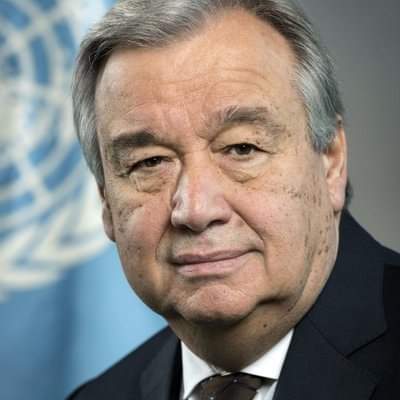
U.N. SECRETARY-GENERAL’S REMARKS ON THE WAR IN UKRAINE

22 March 2022

One month ago, the Russian Federation launched a massive invasion of the sovereign territory of Ukraine in violation of the UN Charter.

It was done after months of building up a military force of overwhelming proportion along the Ukrainian border.

Since then, we have seen appalling human suffering and destruction in cities, towns and villages.

Systematic bombardments that terrorise civilians.

The shelling of hospitals, schools, apartment buildings and shelters.

And all of it is intensifying — getting more destructive and more unpredictable by the hour.

Ten million Ukrainians have been forced from their homes and are on the move.

But the war is going nowhere, fast.

For more than two weeks, Mariupol has been encircled by the Russian army and relentlessly bombed, shelled and attacked.

Even if Mariupol falls, Ukraine cannot be conquered city by city, street by street, house by house.

The only outcome to all this is more suffering, more destruction, and more horror as far as the eye can see.
The Ukrainian people are enduring a living hell – and the reverberations are being felt worldwide with skyrocketing food, energy and fertilizer prices threatening to spiral into a global hunger crisis.

Developing countries were already suffocating under the burden of COVID and lack of access to adequate financing.

Now they are also paying a heavy price as a result of this war.

At the same time, we cannot lose hope.

From my outreach with various actors, elements of diplomatic progress are coming into view on several key issues.

There is enough on the table to cease hostilities – now … and seriously negotiate — now.

This war is unwinnable. Sooner or later, it will have to move from the battlefield to the peace table.
That is inevitable.

The only question is:

How many more lives must be lost?

How many more bombs must fall?

How many Mariupols must be destroyed?

How many Ukrainians and Russians will be killed before everyone realizes that this war has no winners — only losers?

How many more people will have to die in Ukraine, and how many people around the world will have to face hunger for this to stop?

Continuing the war in Ukraine is morally unacceptable, politically indefensible and militarily nonsensical.

What I said from this podium almost one month ago should be even more evident today.

By any measure – by even the shrewdest calculation — it is time to stop the fighting now and give peace a chance.

It is time to end this absurd war.

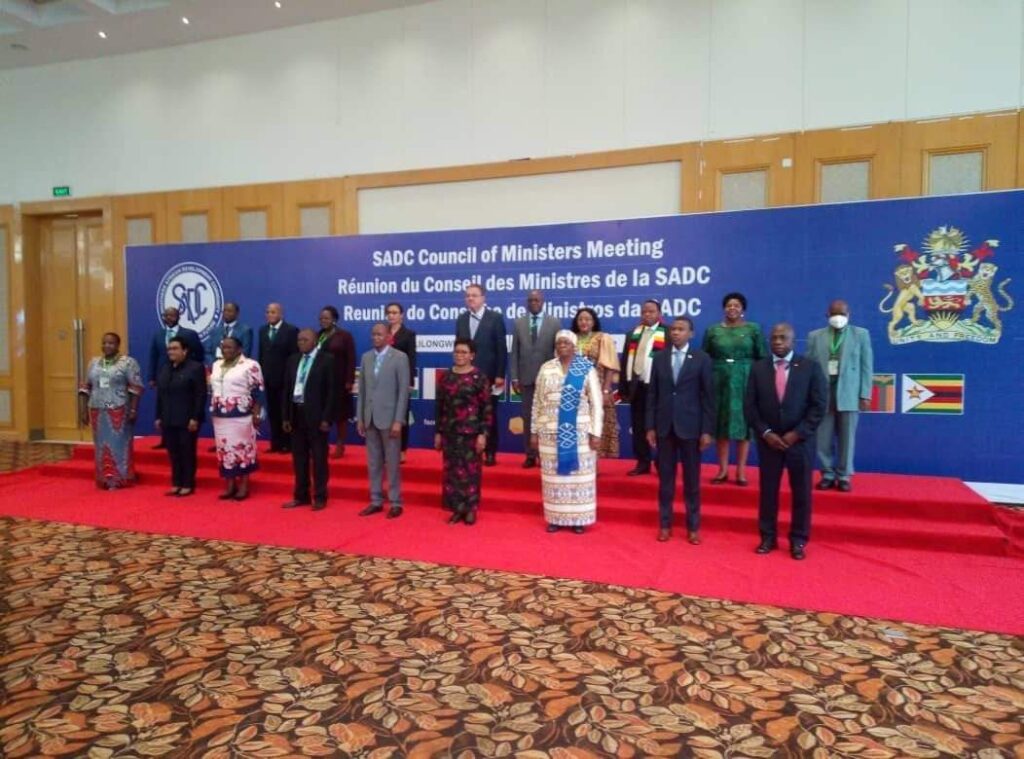
SADC COUNCIL OF MINISTERS DELIBERATES ON REGIONAL INTEGRATION, COOPERATION AND ECONOMIC DEVELOPMENT

21 March 2022

The Southern African Development Community (SADC) Council of Ministers met  in Lilongwe, Republic of Malawi on 18-19 March, 2022 to review the implementation of programmes aimed at promoting and deepening regional integration, cooperation and economic development.

The meeting was preceded by the meeting of the SADC Standing Committee of Senior Officials which deliberated and cleared issues for consideration by the Council of Ministers from the 13th to 17th March 2022.

In her address, Honourable Nancy Gladys Tembo, Minister of Foreign Affairs of the Republic of Malawi and Chairperson of the SADC Council of Ministers highlighted the need for SADC Member States to sign and ratify key trade and industry legal and policy instruments to facilitate advancing of the regional integration and industrialisation agenda.

The SADC Executive Secretary, His Excellency Mr. Elias M Magosi expressed his gratitude to SADC Member States for the support and commitment to the SADC regional programmes and continued collaboration with the Secretariat in the implementation of priority areas outlined in the Regional Indicative Strategic Development Plan (RISDP) 2020-2030 and Vision 2050.

The following are some of the key issues Council deliberated on during the two-day meeting.

Council approved the Annual Corporate Plan and Budget for the 2022/ 2023 Financial Year to support the implementation of SADC priorities as outlined in the SADC Regional Indicative Strategic Development Plan (RISDP 2020-2030), covering areas of Peace, Security and Governance, Industrial Development and Market Integration, infrastructure development in support of regional integration, social and human capital development and cross cutting issues of gender, youth, disaster risk management, climate change and environment.Council commended Member States for the commitment and resilience demonstrated in the fight against the COVID-19 pandemic and endorsed the decisions and recommendations of the Ministers of Health, which include continuing to convene Regional Technical Meetings in virtual format with strict adherence to COVID-19 Guidelines, and advocating for voluntary technology sharing on COVID-19 vaccine manufacturing.Council urged Member States to prioritise community engagement and public information sharing as a major action in public health crises; undertake consultations between neighbouring countries, prior to putting in place drastic travel restrictions to facilitate smooth operations across borders; and share vaccines with other Member States to ensure equitable distribution of vaccines within the region.Council reiterated the call for the waiver on Trade-Related Aspects of Intellectual Property Rights (TRIPS) to support manufacturing of vaccines for COVID-19 to allow for a more efficient response to COVID-19, including sharing of lessons and experiences on the manufacturing, distribution and management of vaccines and sharing of information on potential investors willing to set up manufacturing plants within the SADC region. In relation to food and nutrition security, Council noted that most Member States received low rainfall that will affect crop production in the region, and urged Member States to prepare contingency plans, taking into account areas with surplus and shortages of food production and through intra-regional trade, to deal with potential food shortages, and be able to assist food and nutrition insecure people.Council noted the increased frequency, magnitude and impact of cyclones, droughts, floods and disasters that have affected the region and expressed condolences and solidarity with the region’s Governments and people that have lost lives and important social and economic infra-structures, due to these disasters, and urged Member States to prepare contingency plans for floods and/or droughts that may affect the Region; and to promote planting of trees to enhance carbon sequestration and facilitate the adoption of the green economy to reduce the region’s contribution to greenhouse gases (GHGs) that cause climate change.Council approved a budget amounting to US$1.3 million for start-up interim activities covering a period of three years from 2022 to 2025 to operationalise the SADC Humanitarian Operations Centre (SHOC)Centre, which has been established in Nacala, Mozambique, to coordinate the regional disaster risk preparedness, response and early recovery to support Member States affected by disasters.As part of the effort to drive the SADC industrialisation agenda, Council urged Member States that have not yet signed or ratified the SADC Protocol on Industry; the Agreement on the Operationalisation of the SADC Regional Development Fund; the Protocol on Trade in Services; the COMESA-EAC-SADC Tripartite Free Trade Area (TFCA); and the African Continental Free Trade Area (AfCFTA) to do so for the Agreements to come into force.  The Protocol on Industry is aimed at promoting the development of diversified, innovative and globally competitive regional and national industrial bases, while the Agreement on the Operationalisation of the SADC Regional Development Fund will ensure sustainable financing of regional programmes, and the Protocol on Trade in Services aims to level the playing field by ensuring that industries and consumers take full advantage of a single regional services market.Council approved the staff complement to fast track the operations of the SADC Regional Counter Terrorism Centre (SADC-RCTC), a multifaceted centre hosted by the United Republic of Tanzania which was established to ensure regionally enhanced coordination, strengthened partnerships and fostering timely responses terrorism and violent extremism in the SADC region.Council approved and recommended to SADC Summit for consideration the Agreement Amending the Protocol on Development of Tourism in SADC which provides for the closure of the Regional Tourism Organisation of Southern Africa (RETOSA), and Agreement Amending the SADC Treaty to recognise SADC Parliament as one of the SADC Institutions under Article 9 (1) of the SADC Treaty as part of the transformation of the SADC Parliamentary Forum into a SADC Parliament

The meeting was attended by Ministers constituting the Council of Ministers, who are usually Ministers responsible for Foreign Affairs and International Relations, Economic Planning, or Finance, supported by the SADC Executive Secretary and Senior Officials.

SADC NEWS

CHINA EASTERN AIRLINES CRASHES

21 March 2022

Beijing – A China Eastern Airlines Boeing 737, carrying 132 people on board, crashed on Monday in a mountainous area of the country’s Guangxi Zhuang Autonomous Region, according to emergency officials.

Flight MU5735 took off from Kunming at 1:11 pm and was scheduled to arrive in Guangzhou at 3:05 pm.

According to Guangxi’s regional emergency management department, the crash took place on a mountain in Tengxian County, causing a huge fire, reports Xinhua news agency.

Of the 132 people, 123 were passengers and nine crew members, the Civil Aviation Administration of China (CAAC) said.

The CAAC said it has initiated the emergency response mechanism and dispatched a working team to the site.

HAPPY INDEPENDENCE DAY NAMIBIA  


21 March 2021

On the occasion of the Independence Day of the Republic of Namibia,  the Diplomatic Informer Magazine SA wishes to convey to the Government and the people of Namibia our warm wishes, and would like to congratulate the Republic of Namibia in celebrating their National Day on 21 March 2021.

This national holiday is celebrated on March 21st each year.  The holiday celebrates Namibia’s independence from South Africa on March 21st 1990.

The European powers started to show an interest in the region at the start of the nineteenth century. In 1884, fearing the British were about to take control of the whole of Southern Africa, Namibia was made a German colony called German South West Africa. Following Germany’s defeat in the First World War, the League of Nations mandated South Africa, who had occupied the country during the war, to administer the territory.

In April 1946, after the Second World War, the League of Nations was dissolved and succeeded by the United Nations. The UN instituted a Trusteeship system to bring all the former German colonies in Africa under UN control.

South Africa refused to give up control, arguing that a majority of the territory’s people were content with South African rule. While the region wasn’t formally made part of South Africa, it was essentially treated as such and was called South-West Africa.

Since the 1960s there had been external and internal pressure for South Africa to give up control and give independence to the territory as was happening across Africa at that time as the Europeans began relinquishing their colonial control over the continent.

In the 1970s the independence of neighbouring states such as Zambia and Angola gave a base for resistance against South Africa with a guerrilla group, the People’s Liberation Army of Namibia leading the armed struggle for independence as part of the Namibian War of Independence.

It took until 1988 before South Africa agreed to end its occupation of Namibia, in accordance with a UN peace plan for the entire region.

The country officially gained independence on March 21st 1990 changing its name to Namibia and adopting its current flag. Sam Nujoma was sworn in as the first President of Namibia at a ceremony attended by Nelson Mandela of South Africa, who had only been released from prison the month before.

HAPPY HUMAN RIGHTS DAY IN SOUTH AFRICA


21 March 2021

Human Rights Day in South Africa is historically linked with 21 March 1960, the events of Sharpeville. On that day 69 people died and 180 were wounded when police fired on a peaceful crowd that had gathered in protest against the Pass laws.

This day marked an affirmation by ordinary people, rising in unison to proclaim their rights. It became an iconic date in our country’s history that today we commemorate as Human Rights Day as a reminder of our rights and the cost paid for our treasured human rights.

What are human rights?

Human rights are rights that everyone should have simply because they are human.

United Nations:

In 1948, the United Nations defined 30 articles of human rights in the Universal Declaration of Human Rights. It established universal human rights on the basis of humanity, freedom, justice, and peace.

SOUTH AFRICA

South Africa has included indivisible human rights in our own Bill of Rights, Chapter 2 of the Constitution of the Republic of South Africa, 1996. The articles of our Constitution can only be changed by a two-thirds majority in Parliament, which means it is difficult for anyone, including the government, to take away the basic rights of a citizen.

The Bill of Rights preserved in our Constitution is the cornerstone of our constitutional and representative democracy. The Constitution as our supreme law means that no laws may be passed that goes against it. The Bill of Rights also comprehensively addresses South Africa’s history of oppression, colonialism, slavery, racism and sexism and other forms of human violations. The Bill of Rights embeds the rights of all people in our country in an enduring affirmation of the democratic values of human dignity, equality and freedom.