PRESIDENT CYRIL RAMAPHOSA AT THE OFFICIAL LAUNCH OF THE NANT-SA VACCINE MANUFACTURING CAMPUS, BRACKENGATE BUSINESS PARK, BRACKENFEL

 19 January 2022

Today, we are gathered to witness a milestone in Africa’s onward march towards health, progress and prosperity.

It is within the walls of this facility, through the networks that are being built, through the advanced skills that are being developed, and through the other initiatives across our continent, that our vision for vaccine, diagnostics and drug manufacturing in Africa will steadily take form.

This state-of-the-art vaccine manufacturing campus that we are officially launching today is part of a far broader initiative to propel Africa into a new era of health science.

The establishment of Africa’s Access to Advanced Healthcare Coalition is a bold step to unite biotechnology and pharmaceutical companies, government agencies, non-profit organisations and academia.

The Coalition gives effect to our firm belief that Africa needs to harness its skills and resources and identify opportunities for collaboration across several countries.

The Coalition recognises that Africa has both a great need and vast capabilities.

The COVID-19 pandemic has revealed the extent of Africa’s health challenges.

The pandemic has revealed the huge disparities that exist within and between countries in access to quality healthcare, medicines, diagnostics and vaccines.

At the same time, the pandemic has revealed the depth of scientific knowledge, expertise and capacity on our continent.

It has shown what we are capable of when we work together to mobilise all our resources to confront a common challenge.

Through the African Union and the Africa Centres for Disease Control and Prevention, in collaboration with numerous institutions across the continent, and with the support of many international partners, we have mounted a formidable response to COVID-19 in Africa.

As the African Union Champion on COVID-19, South Africa supports vaccine manufacturing in Africa to ensure self-sufficiency of the continent.

Africa should no longer be last in line to access vaccines against pandemics.

As some of you may recall, we were part of launching the WHO mRNA Hub led by Afrigen.

Today we are marking the establishment of a company that aims to develop next-generation vaccines that will reach patients across the continent.

This new entity, we understand, will collaborate with the mRNA hub by providing RNA enzymes they need to produce vaccines.

Through initiatives like the Africa Medical Supplies Platform, we have worked to ensure that all African countries have been able to secure sufficient and affordable supplies to respond to the pandemic.

Africa has had to wage a concerted fight to secure vaccines for its people.

Thanks to the outstanding work of the African Vaccine Acquisition Task Team, we have secured over 500 million vaccine doses for the continent.

This is a great achievement under extremely challenging circumstances.

But these doses represent only around half of what the Continent needs to vaccinate 900 million people in order to achieve the 70% target set by the WHO.

We need more vaccine doses, we need better therapeutics, and we need to protect the people of our continent against future variants and future pandemics.

We have seen that if we want to safeguard the health of our people, we need to have the means, the technology and the resources to produce vaccines and treatments for all the diseases that afflict the people of our continent.

That is why we have been working to establish new pharmaceutical manufacturing capabilities to produce the COVID-19 and other vaccines.

This NantSA facility will make a vital contribution to this mission, complementing the work already being done by companies like Aspen, Biovac and Afrigen here in South Africa and several other companies in other parts of the continent.

Our goal is to cover the entire vaccine production value chain by upgrading existing capacity and bringing new capacity on board.

Emerging African manufacturers need technology partners to develop their skills base and assist with technology transfer.

We shall scale up and diversify our production capabilities with the proper support and collaboration.

As the African continent, we have much of the capability, expertise and experience needed to manufacture vaccines.

That is why we welcome partnerships with entities like the Access to Advanced Health Institute, the Chan Soon-Shiong Family Foundation and NantWorks to mobilise investment, transfer technology and know-how, and develop skills.

We are already seeing the benefits of this partnership.

This morning I had the privilege of visiting the Chan Soon-Shiong Centre for Epidemic Response and Innovation at the University of Stellenbosch.

The generous support of the Chan Soon-Shiong Family Foundation – which includes the donation of two large DNA sequencers – will help the centre to spearhead the genomic revolution in South Africa.

South Africa’s capabilities in genomic surveillance are recognised worldwide and have been vital in our response – and indeed the global response – to the emergence of new COVID-19 variants.

This has been possible only through collaboration.

Here we talk about the collaboration between the laboratories, scientists and academic institutions that established the Network for Genomic Surveillance in South Africa.

We also talk about the collaboration between the public, private and non-profit sectors in funding this work.

We must recognise the funding provided by our Department of Science and Innovation, the South African Medical Research Council, the Rockefeller Foundation, the US National Institutes of Health, the European Commission, the Bill & Melinda Gates Foundation and, of course, the Chan Soon-Shiong Family Foundation.

We also talk about the collaboration that is taking place between scientists and institutions across the African continent and across the world.

While we welcome and applaud the investment that is being made in cutting-edge equipment and facilities, we recognise that the most significant and sustainable investment we can make is in human skills and capabilities.

Nearly half a century ago, South Africa made an investment in the education of a young man from Port Elizabeth, born to Chinese immigrants.

It is fair to say that the apartheid government of the time made that investment reluctantly, and we know that, in the face of the government’s racist policies, that young man had to struggle hard to get the education to which all young people are entitled.

Yet today, South Africa is the beneficiary of the investment that was made in the education of Dr Patrick Soon-Shiong 50 years ago.

And a great many young Africans will benefit from the R100 million endowment that the Chan Soon-Shiong Family Foundation has established to support the education and training of a skilled workforce in the biotechnology and life sciences industry.

These scholarships will significantly assist in building capacity across Africa and establish a legacy of excellence and innovation in science for decades to come.

Africa stands ready to enter a new age of medical science.

It stands ready to take responsibility for the health of its people, to understand better the diseases that afflict them, and to develop the means to manage these diseases.

Africa stands ready to contribute to global scientific enquiry and knowledge, and to develop treatments, diagnostics and vaccines that will serve humanity.

What we are asking for, what we need – and what we now have – is the opportunity to realise this bold and noble vision.
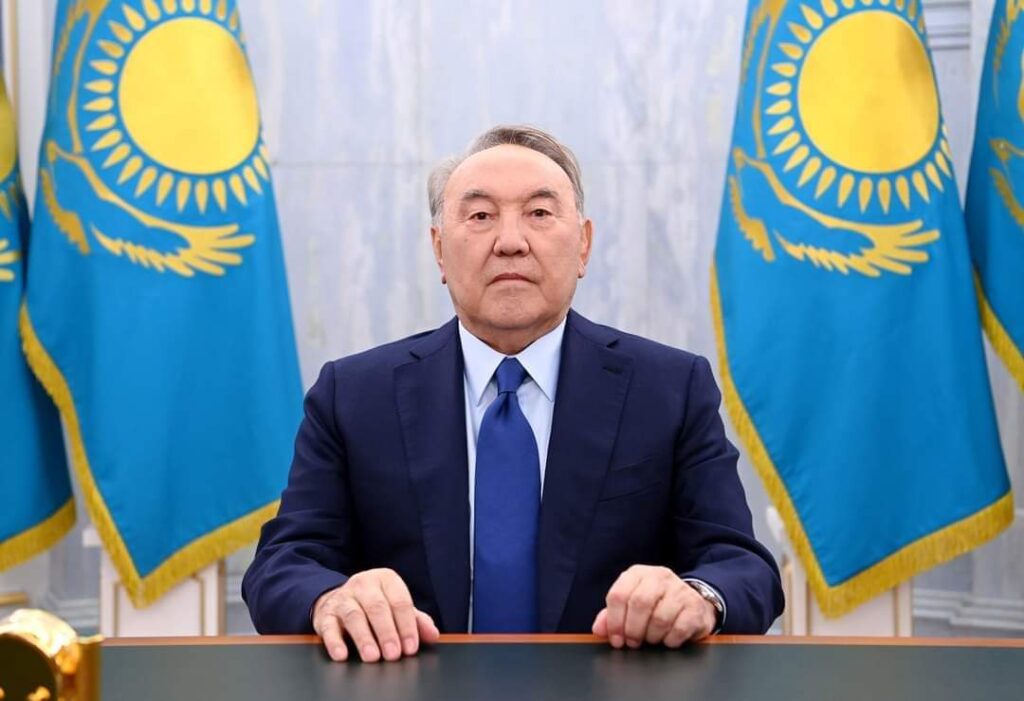
ADDRESS TO THE PEOPLE OF KAZAKHSTAN BY THE FIRST PRESIDENT OF THE REPUBLIC OF KAZAKHSTAN – ELBASY NURSULTAN NAZARBAYEV

19 January 2022

Dear compatriots! Dear countrymen!

There was a tough and dangerous test posed to our people at the beginning of 2022.

It is a fact that organized extremist groups have sparked widespread rioting in the country and carried out terrorist attacks.

There was human cost from these attacks causing civilian casualties and suffering.

I express my condolences to the families and friends of the victims of this tragedy.

Terrorists pose a threat to our country and our sovereignty, our peace and integrity, that deprives us of our prosperity.

President Kassym-Jomart Tokayev has taken prompt actions that ensured that the foundations of our country will not collapse.

It is a civic duty of all of us to extend our support to the head of the state.

It [what happened] is something that we should draw lessons from and we must do everything to prevent such a tragedy from happening again.

Our ancestors have longed for what we have accomplished in 30 years of Independence.

Kazakhstan stands as a well-established country in the world. Our vast borders are completely secure.

We have carried out core reforms in the country to become a leader in Central Asia.

A new capital has emerged in the heart of Eurasia, and in the heart of Saryarka.

None of these enemies are tough enough to break the unity of our country.

Dear Kazakhstanis! Dear compatriots!

January’s events shocked all of Kazakhstan. These organized riots and attacks on Kazakhstan were purposefully aimed at destroying the integrity of the country and the foundations of the state.

What happened has demonstrated again that we must treasure our independence, that it is fragile and requires special care.

The tragedy is a bitter lesson for all of us. It is extremely important to identify who stands behind all these riots and murders. The current investigation will answer those questions.

I extend my sincere condolences to the families and friends of the victims, and wish those injured a speedy recovery.

In response to numerous appeals addressed to me, and in connection with publications in the media, I am once more informing you that in 2019 I delegated Presidential powers to Kassym- Jomart Tokayev and since then I have been a pensioner on a deserved rest, staying in the capital of Kazakhstan and not going anywhere.

President Kassym-Jomart Tokayev has full power. He is the Chairman of the Security Council. Soon, the President will be elected Chairman of the Nur Otan party. There is no conflict or confrontation in the elite. All speculations around it are just baseless rumors.

Everyone knows that for 30 years I have worked tirelessly for the sake of our Motherland.

We have strengthened the country’s borders. We have been carrying out progressive reforms.

Together we have built an independent Kazakhstan, achieved great results in social and economic development, become a leader not only in Central Asia, but also in the CIS area.

Kazakhstan has become a recognized and credible state in the world. That we have benefited from solidarity and unity of all people of Kazakhstan.

Stability and peace in the country have always been my first priority. We all must cherish these enduring values. We will definitely get through the crisis and will become even stronger.

The President has put forward a new reform programme aimed at improving the welfare of the people. This programme needs to be supported.

I wish you, dear compatriots, health and prosperity!

I thank you for your support towards the reform and modernization policy I pursued as head of the state.

THE REMAINS OF THE LATE MEHMET REMZI BEY, THE FIRST CONSUL GENERAL OF THE OTTOMAN EMPIRE TO SOUTH AFRICA (1914-16) REBURIED AT HIS ORIGINAL RESTING PLACE, BRAAMFONTEIN CEMETERY

18 January 2022

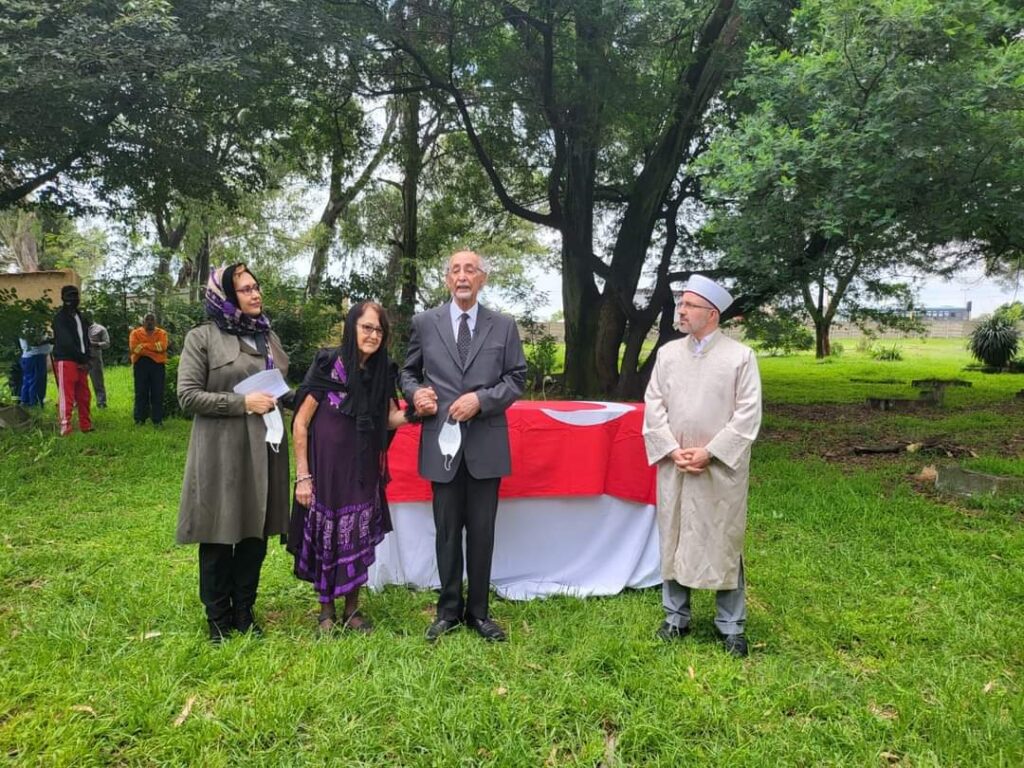
18 January 2022 marked the return to the original grave at the Enoch Sontonga Braamfontein Cemetery of a distinguished and professional diplomat of the Ottoman Empire, Mehmet Remzi Bey, 106 years after his untimely death.

Mehmet Remzi Bey was the first and last Ottoman Consul General to South Africa. He was born on 30 December 1869 in İstanbul to a family of  Ottoman aristocrats  and upon completion of professional training he joined the Ottoman Foreign Service at the age of 23.

Mehmet Remzi Bey served with distinction at the Ottoman diplomatic missions in various countries including Bulgaria, Crimea, Iran, and Georgia. He was then appointed Consul General to South Africa in Johannesburg on 21 April 1914, shortly before the outbreak of World War I.

Upon the Ottoman Empire’s entry into the war, despite his diplomatic status he was summarily interned by the colonial government of Great Britain in South Africa. He suffered unprecedented difficulties during his detention. He suffered serious illness without treatment and was only released when it appeared that he would not survive.

Consul General Mehmet Remzi Bey died a few short weeks after his release from detention on 14 February 1916, at the young age of 46, due to a major brain hemorrhage and was buried at the Muslim section of the Braamfontein cemetery in Johannesburg.

On 21 November 2011 the remains of Mehmet Remzi Bey had been transferred by FETO terrorist organization to its facility in Midrand through deceit and falsified documents.

His remains were returned to his original resting place in Braamfontein cemetery by order of the Pretoria High Court, after being exhumed  from the Midrand Mosque.

Thus Consul General Mehmet Remzi Bey was be reburied in the Braamfontein Cemetery after an Islamic Funeral Service at 11:30 am in the presence of his granddaughter,  Turkish officials and citizens, in compliance with Covid 19 protocols.

The Embassy of Turkey in South Africa thanked  the family of the deceased who was with the Embassy throughout the legal struggle, their lawyer followed the legal process carefully, and the authorities of the Republic of South Africa who ensured the supremacy of the rule of the law.

SOUTH AFRICA CONDEMNS ATTACKS DIRECTED AT THE UNITED ARAB EMIRATES

18 January 2022

The South African Government has noted, with concern, the escalation of tensions in the Gulf Region.

The drone attacks on Monday, 17 January 2022, directed at the industrial area of Musaffah near Abu Dhabi International Airport in the United Arab Emirates (UAE), resulted in the killing of three people.

This incident follows shortly after the hijacking of the UAE ship, Rwabee, and its crew on 3 January 2022 by Houthi Militia.

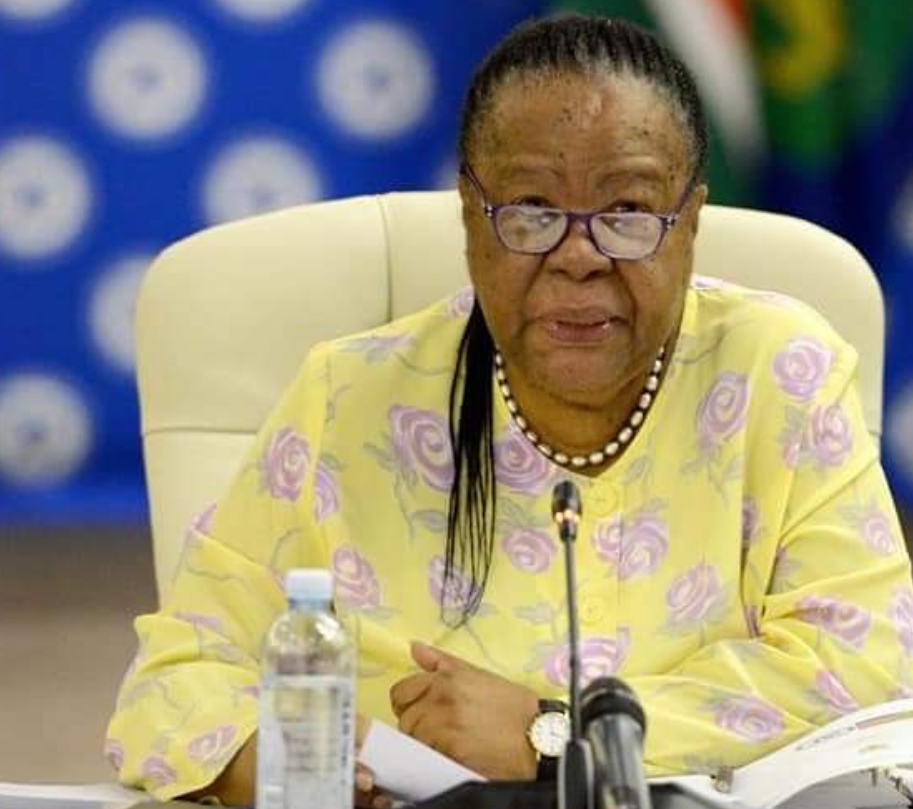
The Minister of International Relations and Cooperation, Dr Naledi Pandor, has expressed her concerns that such attacks only serve to destabilise regional security, including that of the United Arab Emirates.

Of particular concern is the fact that the attacks are targeting industrial and civilian areas. Furthermore, these continued attacks have the potential to derail the United Nations’ mediation efforts in Yemen.

The Minister added that the attacks that resulted in a number of casualties and injured, could have a severe impact on the goal of peace in Yemen and the broader Middle East region.

South Africa continues to maintain that an UN-mediated and Yemeni-led peace process is the only means to realising a lasting peace and regional stability.

The Minister added that the Republic of South Africa urges all parties to exhibit restraint in pursuit of the mediation process. The Minister also assured the Government and the people of the United Arab Emirates, of South Africa’s support in this regard.

SAUDI ARABIA ECONOMY ACHIEVES HIGHEST GROWTH RATE IN THE G20 ZONE

January 18, 2022

The IHS Markit index has expected the Saudi economy to record the highest growth levels among the G20 countries at 11.1% during the last quarter of 2021, a wide gap of about 4.5% from its nearest competitor: Italy.

RIYADH — The IHS Markit index has expected the Saudi economy to record the highest growth levels among the G20 countries at 11.1% during the last quarter of 2021, a wide gap of about 4.5% from its nearest competitor: Italy. The achievement reflects the efficiency of the economic reforms taken by the Kingdom since the launch of its Vision 2030.

These positive figures come in light of the unlimited support and direct supervision Crown Prince Muhammad Bin Salman, deputy prime minister, who is also chairman of the Council of Economic Affairs and Development (CEDA), extends to the Vision 2030 programs, demonstrating the strength and efficiency of the economic reforms undertaken by the Kingdom since 2016.

This had a great impact on overcoming the consequences of the COVID-19 pandemic with minimal damage despite sharp declines of oil prices, as the levels of growth of the Saudi economy come at a time when many countries, including major economies, are still struggling to overcome the repercussions imposed by the pandemic, which are no less than the effects of World War II.

The Saudi GDP growth rate reached 7% in the third quarter of 2021, the highest annual growth rate since 2012, reflecting the Kingdom’s economic potentials for rapid recovery from the effects of the pandemic and the resumption of economic activities, and benefiting from the exceptional efforts adopted by the Saudi government while tackling the challenges of the pandemic and the stimulus measures provided for the national economy.

The COVID-19 pandemic left a significant economic impact on various vital sectors, especially the employment sector. Nevertheless, the results achieved by the Saudi economy were in contrast to that wave, as the pace of Saudi employment in the private sector hit its highest quarterly level ever, according to administrative records, reaching 90,000 during the fourth quarter of 2021.

As a result of the effectiveness of the Kingdom’s government policies in creating jobs for Saudis in the private sector, the number of Saudi workers in the private sector exceeded, for the first time ever, 1.9 million in December 2021. Meanwhile, the rate of women’s participation in the labor market continued to accelerate, bypassing the 2030 target as it reached 34.1% in the third quarter of 2021, due to the progress of the Kingdom’s social and economic reforms.

As a culmination of the Kingdom’s efforts to diversify the economy and reduce dependence on oil, the value of Saudi non-oil exports amounted to SR195 billion by the end of the third quarter of 2021, an increase of 33% compared to the previous year.

This at a time when the Kingdom was one of the best performing global economies during the pandemic where the decline in the GDP was very limited, with the Kingdom ranking sixth among the G20 countries when taking into consideration the non-oil activities as a determinant of economic performance in the Kingdom.

Observers and economic analysts expect the Saudi economy to continue to prosper, citing the budget surpluses for the first time since 2014, in addition to the expansion in the implementation of ambitious transformation plans and programs beyond 2022.

This economic boom and diversification of the economy will be achieved through several elements that will contribute to pumping more than SR12 trillion by 2030. — SPA

Source: Saudi Gazette

H.E. AMBASSADOR MAHASH ALHAMELI OF  UNITED ARAB EMIRATES TO SOUTH AFRICA HOSTED HIS EXCELLENCY AMBASSADOR SALMAN AL FARISI OF INDONESIA TO SOUTH AFRICA

15 January 2021

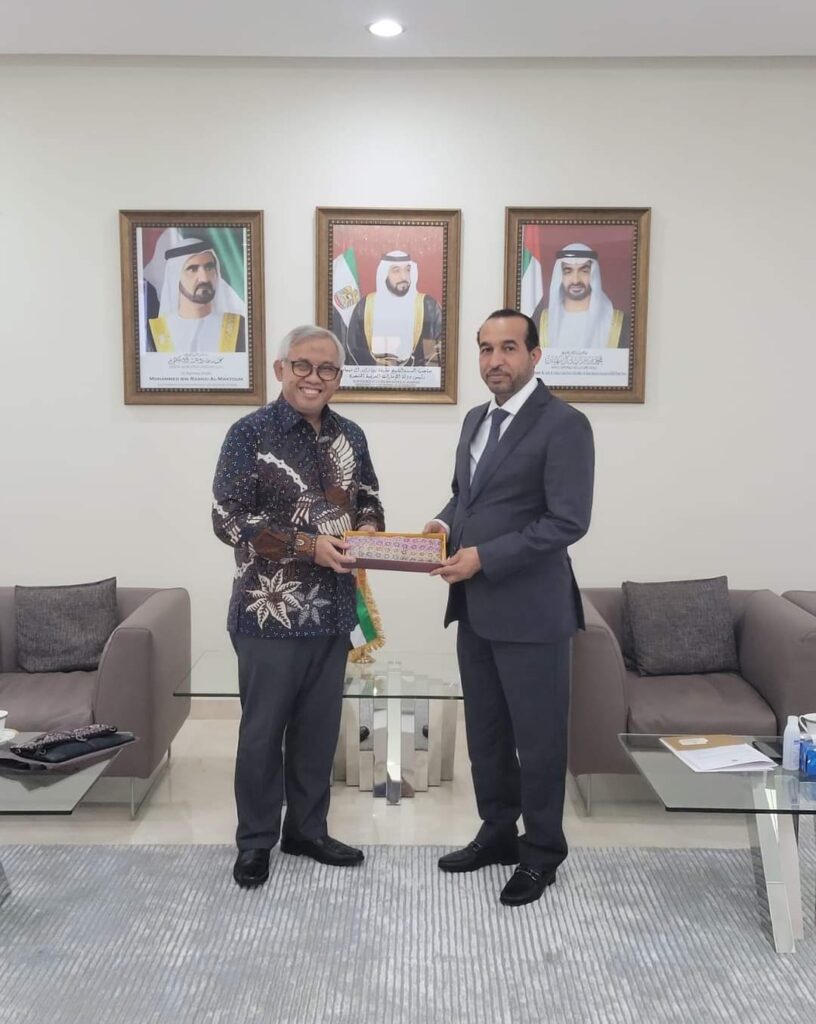
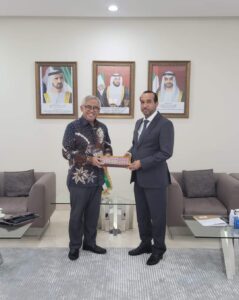
On 14th Jan 2022,  His Excellency Ambassador Mahash Alhameli of United Arab Emirates to South Africa met with His Excellency Ambassador Salman Al Farisi of Indonesia to South Africa.

His Excellency Ambassador Salman Al Farisi of Indonesia to South Africa will end his tour of duty soon and will leave Pretoria to assume his position as Secretary General of IORA.

During their meeting Ambassador Mahash Alhameli and Ambassador Salman Al Farisi discussed the growing UAE – Indonesia relations that date back to 1976.

2021 saw the advancement in relations between the two nations with the launch of major joint projects that included the building of the world’s largest floating solar photovoltaic power plant in Indonesia that is part of the next generation technology to solve pressing global energy and sustainability issues.

The two nations also saw the signing of major agreements across different sectors to the value of $10 billion. These sectors include; energy, aviation, financial services, artificial intelligence, agriculture and defence.

DP world also signed a $7.5 billion  agreement with Indonesia to develop it’s seaports for a period of over 30 years.

The two leaders also discussed joint initiatives between the two embassies for the support of South Africa’s social and economic development.

His Excellency Salman Al Farisi has recently been appointed as the Secretary General of the Indian Ocean Rim Association (IORA) that has recently been chaired by the United Arab Emirates.

The United Arab Emirates continues to be a part of the leadership of IORA as part of the Troika. His Excellency Mahash Alhameli gave the reassurance of the support of the Embassy of the UAE and the leadership of the UAE to IORA and His Excellency Salman Al Farisi is his new position as the the Secretary General of the Organisation.

#uae

#indonesia

#uaeindonesia

#USAINDONESIARELATIONS

LEARN TURKISH LANGUAGE AT YUNUS EMRE INSTITUTE AND TURKISH CULTURAL CENTRE JOHANNESBURG

14 January 2022

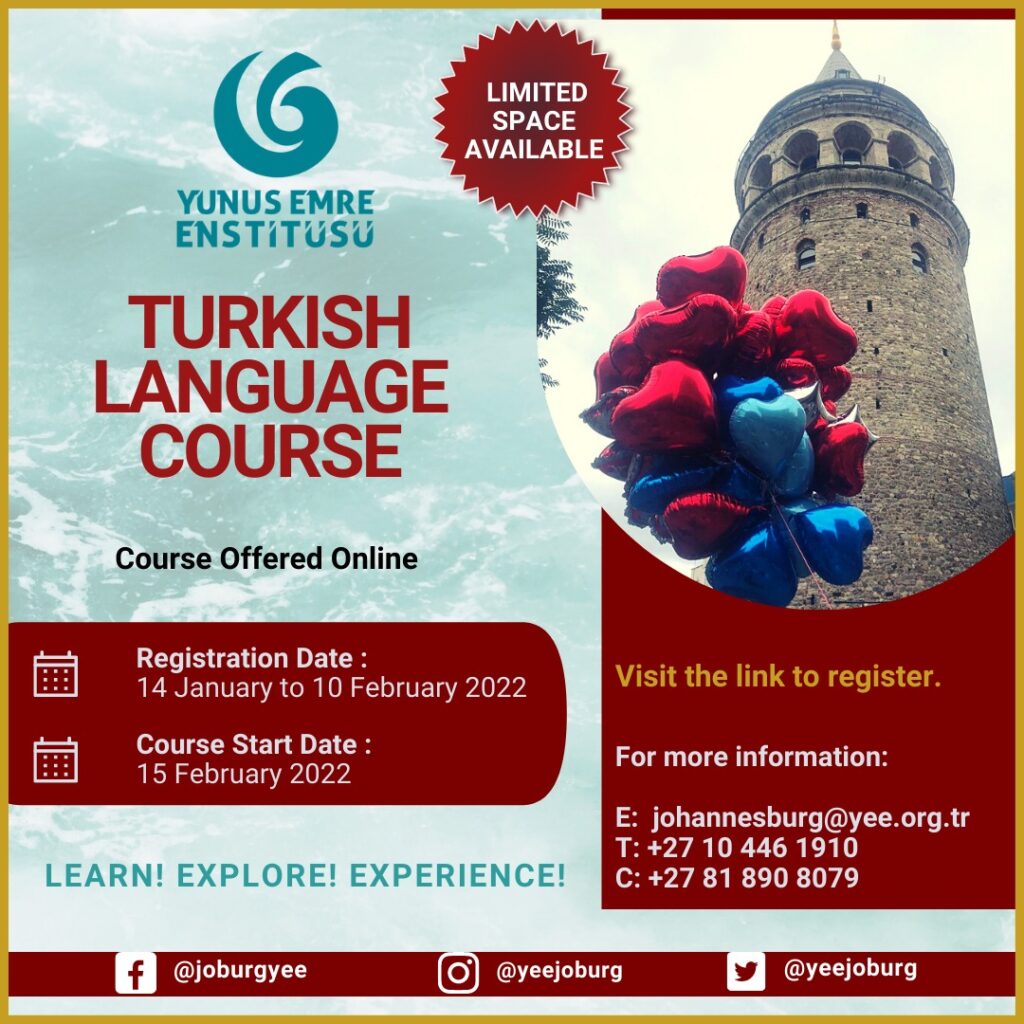
Yunus Emre Enstitüsü continues to introduce the Turkish language, history, culture, and art in over 53 countries and 64 cultural centres.

The Yunus Emre Enstitüsü has scheduled a new online Turkish language course that is commencing on 15 February 2022 for individuals who have interests in learning the Turkish language.

Registration date : 14 January 2022 to 10 February 2022.

Starting Date : 15 February 2022.

Please click on the link below and complete the online registration form.

https://forms.gle/jM8d79vFGp5g4KaC9

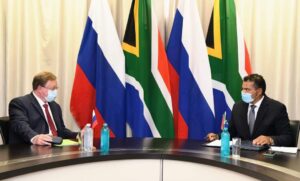
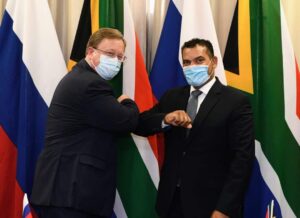
AMBASSADOR OF RUSSIA TO SOUTH AFRICA H.E.MR. IlYA ROGACHEV MET WITH DEPUTY MINISTER OF INTERNATIONAL RELATIONS AND COOPERATION OF SOUTH AFRICA H.E. MR. ALVIN BOTES.

13 January 2022

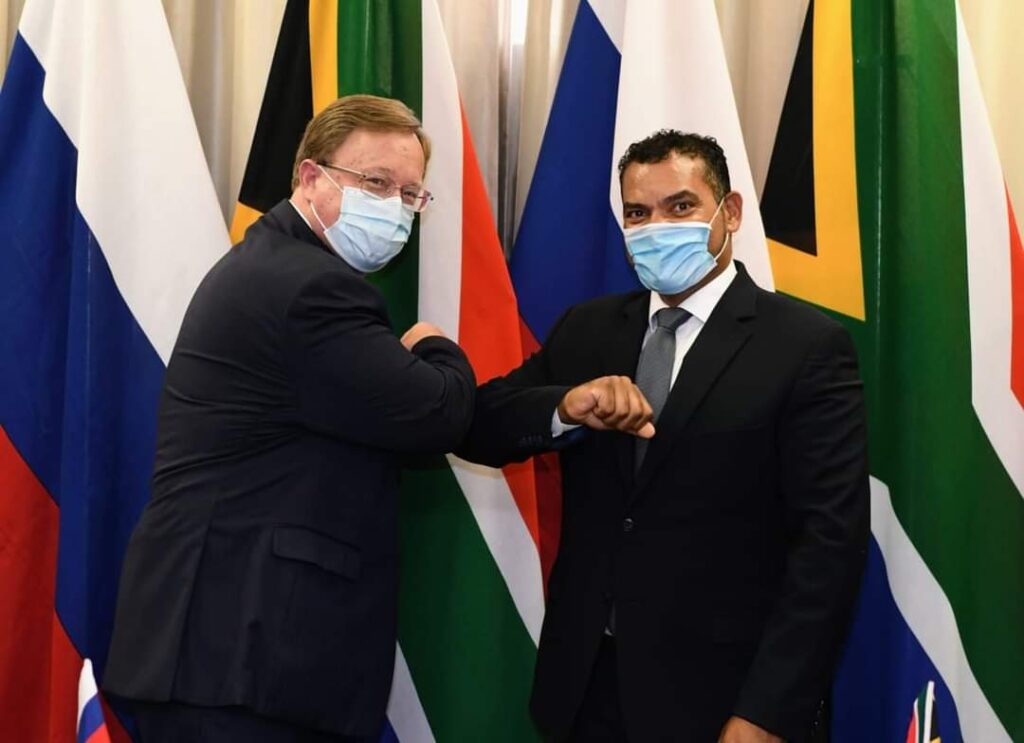
On Jan 12, 2022, Ambassador of Russia to South Africa H.E.Mr. Ilya Rogachev met with Deputy Minister of International Relations and Cooperation of South Africa H.E. Mr.Alvin Botes.

The parties discussed various matters of bilateral, regional and international agenda. Particular attention was paid to the issues of celebration of the oncoming 30th anniversary of the establishment of Russia-SA diplomatic relations.

Photos: Courtesy of Department of International Relations and Cooperation, SA

#Russia #Africa #RussiaAfrica #SouthAfrica #RussiaSArelations

SADC EXTRAORDINARY SUMMIT OF HEADS OF STATE AND GOVERNMENT

13 January 2021

SADC Extraordinary Summit of Heads of State and Government convened in Lilongwe to review the progress of the SADC Standby Mission to Mozambique (SAMIM).

The participants of the 40 years now, SADC member states stood in solidarity on all matters that threatened peace and security in the region. As such, the untiring efforts in seeking lasting peace for Mozambique cements the fact that the spirit of unity still prevails among SADC member states.

It is a consensus amongst all member states that they continue supporting Mozambique in combating terrorism, strengthening and maintaining peace and security through restoration of law and order.

It is encouraging to learn that SAMIM has made remarkable progress in addressing the problem at hand since it was deployed in July 2021.

SADC will continue sharing a common desire to promote peace and security in the region and continue fighting for successful sustenance of regional integration and socio-economic development.

 #SADC

H.E. AMBASSADOR MAHASH ALHAMELI OF THE UNITED ARAB EMIRATES TO SOUTH AFRICA MET WITH H.E. AMBASSADOR MOHAMEDOUN DADDAH, THE NEW HEAD OF THE ARAB LEAGUE MISSION TO SOUTH AFRICA

11 January 2022

His Excellency Ambassador Mahash Alhameli of the United Arab Emirates to the Republic of South Africa met with His Excellency Ambassador Mohamedoun Daddah the New head of the Arab League Mission to the Republic of South Africa, at the UAE Embassy in Pretoria.

During the meeting Ambassador Mahash Alhameli & Ambassador Mohamedoun Daddah, discussed issues of mutual interest, the relations and cooperation between the UAE Embassy and the Arab League mission.

The United Arab Emirates and South Africa have maintained a friendly and mutual beneficial relationship since formal diplomatic ties were first established in 1994.  The relationship has a strong economic focus.

The UAE is South Africa’s main importing partner in the Gulf Cooperation Council (GCC) and is a lucrative export market for South African products, while many South African companies are benefitting from opportunities in the UAE in a variety of sectors.

South African construction, hospitality, consultancy and services sectors are playing a big role in the rapid development of the UAE and it is estimated that more than 100 South African companies operate in the UAE, while others maintain representative offices in the UAE.

South African brands such as Mediclinic, Mugg ‘n Bean, Nando’s, Galitto’s, Standard Bank, Nedbank, Barlow Logistics, Denel and Dimension Data  are familiar names in the UAE.

South Africa expatriate community in the UAE, estimated to be between 60,000 and 80,000, are active in various sectors.  Many are in the teaching and health professions, military industry as well as aviation.

The ever increasing trade figures between South Africa and the UAE, is said to be totalling R 44.5 billion with exports to the UAE increasing from R6 billion in 2011 to almost R 25.5 billion in 2018.

Major South African exports to the UAE include precious metals, products of iron /steel, fruits and vegetables, meat, minerals products, chemicals, machinery and prepared foodstuffs.

The UAE is one of South Africa’s largest suppliers of crude oil and consist of nearly 70 per cent of South Africa’s imports from the UAE.

Other exports to South Africa include iron / steel products, machinery, plastics and rubber, prepared foodstuff, stone and glass, chemicals and textiles.

Since the dawn of South Africa’s democracy in 1994 regular Presidential visits have taken place, with the latest visit being that of President Cyril Ramaphosa in July 2018.  These high-level visits are a clear indication of the importance attached to the SA-UAE relationship.

Following the conclusion of an Agreement for the establishment of a Joint Ministerial Commission in 2011, the first meeting of the SA-UAE Joint Commission was held in August 2015 in Abu Dhabi.  A second session of the Joint Commission took place in October 2018 in Pretoria.

South Africa and the UAE signed a number of important bilateral agreements, with a few more agreements and MoU’s nearing finalisation.   Some of the notable concluded agreements are :

Protocol on the Establishment of Diplomatic Relations

Bilateral Air Services Agreement

Bilateral Agreement on Economic, Trade and Technical Cooperation

Memorandum of Understanding on Police Cooperation

Agreement on the Establishment of a Joint Commission for Bilateral

Cooperation

Defence Cooperation Agreement

Memorandum of Understanding on Political Consultations

Agreement on the Avoidance of Double Taxation and the Prevention of

Fiscal Evasion with respect to Taxes on Income

Agreement on Mutual Legal Assistance in Criminal Matters

Extradition Treaty

Memorandum of Understanding on Cooperation in the Field of Social Development.

The excellent bilateral relationship between UAE and South Africa is also reflected in a strong collaboration in multilateral fora and international organisations, where the two countries have a like-minded approach to many global challenges.

Speaking to the Diplomatic Informer Magazine SA, His Excellency Ambassador Mohamedoun Daddah said “The Agreement between Arab League & South Africa was signed in 2008 and the Mission opened 2009″. 

The League’s main goal is to “draw closer the relations between member states and co-ordinate collaboration between them, to safeguard theiindependence and sovereignty, and to consider in a general way the affairs and interests of the Arab countries.”

The Arab League was Founded in March 1945, the League of Arab States (or Arab League) is a loose confederation of twenty-two Arab nations whose broad mission is to improve coordination among its members on matters of common interest.

The league was chartered in response to concerns about postwar colonial divisions of territory as well as strong opposition to the emergence of a Jewish state on Palestinian territory.

A League of Their Own According to its charter, the founding members of the Arab League—Egypt, Iraq, Lebanon, Saudi Arabia, Syria, Transjordan, and Yemen—agreed to seek “close cooperation” on matters of economics, communication, culture, nationality, social welfare, and health.

They renounced violence as a means to settle settlement conflicts between members and empowered league offices to mediate in such disputes, as well as in conflicts involving nonmembers.

Signatories agreed to collaborate in military affairs; this accord was strengthened with a 1950 pact committing members to treat acts of aggression against any member state as an act against all.

The charter established the Arab League headquarters in Cairo, created a permanent General Secretariat, and scheduled sessions to meet biannually, or at the request of two members in extraordinary circumstances. A formal commitment to international human rights law entered league conventions in 2004—it was ratified in 2008—when some members adopted the Arab Charter on Human Rights. 

The concept of an integrated Arab polity based on shared culture and historical experience, which is at the heart of the Arab.