WHO CONFIRMS THAT TEDROS ADHANOM GHEBREYESUS IS THE ONLY CANDIDATE NOMINATED FOR DIRECTOR-GENERAL ELECTION 

October 29,2021

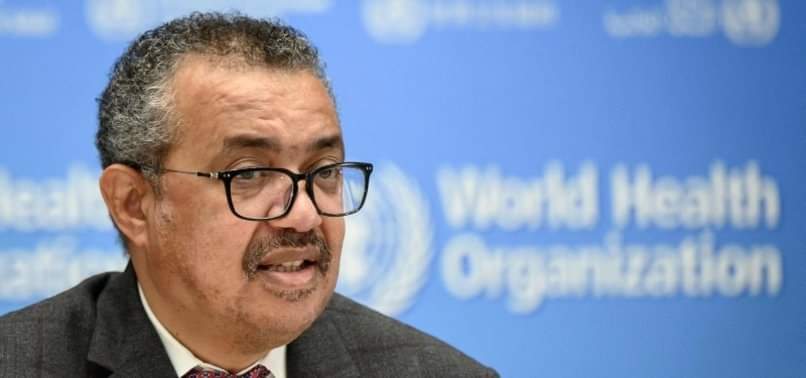
The World Health Organization (WHO) said on Friday that its current director-general Tedros Adhanom Ghebreyesus is the only candidate nominated for the U.N. agency’s elections in May.

“WHO can announce that a single candidate was proposed by Member States by the 23 September 2021 deadline: Dr Tedros Adhanom Ghebreyesus, who is the incumbent Director-General,” the WHO said in a statement.

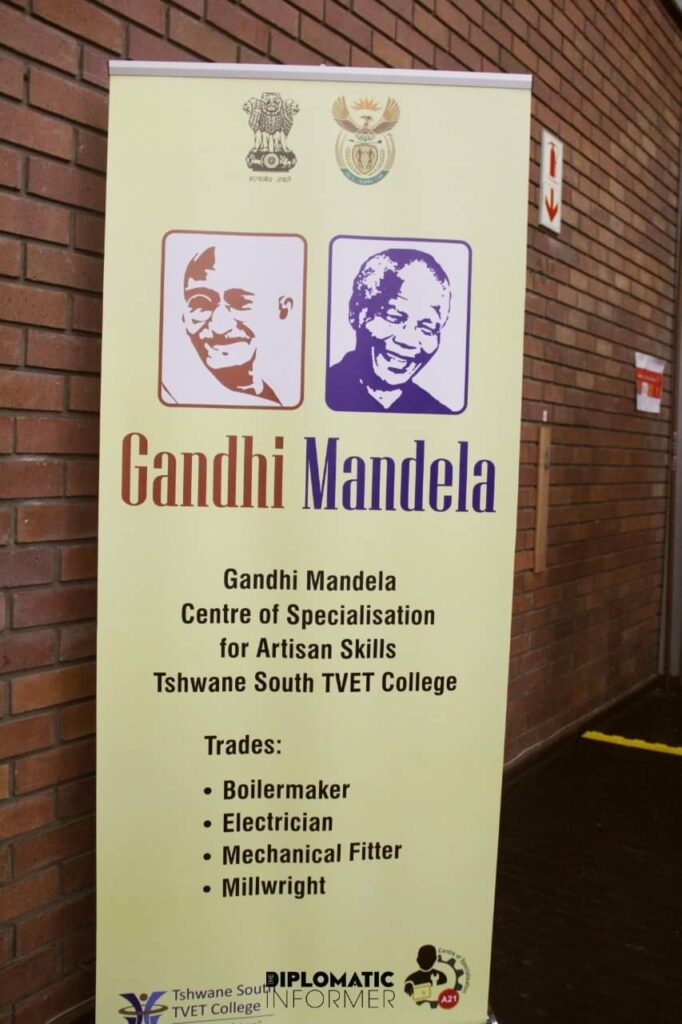
Gandhi-Mandela Centre of Specialisation for Artisan Skills in Pretoria, a reflection of strong relationship and cooperation between India 🇮🇳 and South Africa 🇿🇦

29 October 2021

The Deputy Minister of Higher Education,Science and Innovation, His Excellency Mr Buti Manamela and the High Commissioner of India to South Africa, His Excellency Mr Jaideep Sarkar,  officially opened the Gandhi-Mandela Centre of Specialisation for Artisan Skills at the Tshwane South TVET College in Pretoria on 28 October 2021

The soft launch of the Centre took place in 2018. The Centre hosts State of the art artisan training facility with the aim to promote skills development. The Centre reflects the strong bilateral cooperation between India 🇮🇳 and South Africa 🇿🇦

Inspired by our leaders Mahatma & Madiba, as a true reflection of strong bilateral relations, India and South Africa agreed to set up Gandhi-Mandela Centre of Specialisation for Artisan Skills.

The Gandhi-Mandela Centre has been successful in imparting training and skills to mechanical fitters, boilermakers, electricians and millwright apprentices using the high-end equipment and machines provided by the Government of India.

This project serves as a rightful example on how countries can work together in achieving the dream of collective growth and development.

Under Gandhi-Mandela Centre of Specialisation for Artisan Skills, two batches have been successfully admitted for four artisan skills i.e. mechanical fitters, boilermakers, electricians and millwright.

 A total of around R48 million worth of equipment and tools for four artisan skills (mechanical fitters, boilermakers, electricians and millwrights) was provided by the Government of India 🇮🇳 towards the establishment of the Gandhi Mandela Centre in Tshwane.

In his remarks His Excellency Mr Jaideep Sarkar said ” both Mandela and Gandhi understood that centuries of poverty, deprivation and under-development could not be reversed without better education; in fact, Mandela said ‘Education is the most powerful weapon which you can use to change the world’. “But education itself is not enough in today’s global economy. The modern economy cannot employ large numbers of people on the basis of basic literacy alone. To be employable today one needs to be educated but also skilled. Further, these skills need to be continuously updated to meet the needs of a rapidly changing global economy.

Most countries including India and South Africa have responded by making skills development a new policy vertical but eventually major changes may have to be made in the way we educate ourselves so that our education system supplies the economy with the skills it needs to transform and grow. Otherwise, our countries will continue to face a shortage of highly trained workers, and on the other a surplus of conventionally educated youth, who possess little or no job skills,” said High Commissioner of India.

In his remarks His Excellency the Deputy Minister of Higher Education, Science and Innovation, His Excellency Mr Buti Manamela said ” South Africa values the partnership with the government and people of India, the aspiring mechanical fitters, boilermakers, electricians and millwrights, who are apprentices and employed by the industry, are benefiting from this investment and that India’s investment increased the number of Centres of Specialisation from the 26 initially planned to 30 and contributing to South Africa’s job creation and poverty alleviation goals.

The Deputy Minister said “the decision to name this Centre of Specialisation after such great men as Nelson Mandela and Mahatma Gandhi, should serve as inspiration and motivation to take responsibility of our own development”

Through their lived example, both Nelson Mandela and Mahatma Gandhi didn’t just dedicate their lives to the fight against injustice, but also sought to bring out the best qualities in each and every human being. It will therefore be a fitting tribute to these two giants if we use this Centre of Specialisation to empower our young people with the relevant skills to transform their lives and those of their communities, and to inculcate in them the spirit of service to humanity.”

In closing,  the Deputy Minister said ” South Africa looked forward to many more collaborative projects that would help both countries address their national development goals.

#IndiaSouthAfricaFriendship 🇮🇳🇿🇦

#GandhiMandelaCoSopening

Egypt’s Ambassador hosts a discussion on the role of AUDA-NEPAD and the UN in implementing AU Agenda 2063

29 October 2021

In an initiative aimed at exchanging ideas among African development practitioners and thought leaders on issues of critical importance to the African continent, Egypt’s Ambassador to South Africa, Ahmed El Fadly, hosted a roundtable discussion on the role of international and regional institutions in supporting the implementation of the African Union development Agenda 2063 at his official residence on 26 October 2021.

Ambassadors and High Commissioners from a number of African countries, as well as the Secretary General of the Egyptian Agency of Partnership for Development (EAPD) and the UNIDO Representative and Head of its Regional Office in South Africa, gathered at Egypt House to discuss with guest speakers Dr. Ibrahim Mayaki, the Chief Executive Officer of the African Union Development Agency (AUDA-NEPAD) and Ms. Nardos Bekele-Thomas, the United Nations (UN) Resident Coordinator in South Africa, the role of AUDA-NEPAD and of the UN in helping African countries achieve the goals and aspirations set by Agenda 2063 thereby realizing “the Africa we want”.

Ambassador El Fadly set the tone of the discussions by alluding to the fact that this roundtable is being held two days after the world celebrated UN day on 24 October, and by inviting the guest speakers and attendees to reflect on how multilateral institutions like the UN and AUDA-NEPAD have helped the continent implement Agenda 2063. “How far, or how close, is Africa from achieving its development agenda,” he asked.

Dr. Ibrahim Mayaki gave a brief history of the AUDA-NEPAD, shedding light on some of its flagship projects that are supporting the continent in its efforts to achieve Agenda 2063. He also shared his thoughts on what Africa needs to do to ensure it builds productive capacity and continues on the path to sustainable development. “The continent needs to move from managing poverty to creating wealth, as well as towards industrialization”, he stressed. The CEO of AUDA-NEPAD also praised the cooperation with the UN, explaining that the two organizations share a common framework since 2018. He also made the point that despite the many challenges facing the continent, “Africa has still enormous success stories in many fields”.

Ms. Nardos Bekele-Thomas emphasized that it is crucial for Africans to know that they play a crucial role in setting the development agenda at the global level, through the coordination mechanisms existing within the AU. A clear example of that, she said, was how Africans elaborated their own Agenda 2063, which then became the cornerstone of the UN Sustainable Development Goals (SDGs). The UN Resident Coordinator in South Africa also emphasized that the role of the UN is essentially to support the national plans of countries, which should converge with the regional plans.

Ambassador El Fadly raised the issue of continental integration, stressing the importance of breaking away from the artificial boundaries inherited from colonialism that have divided the continent into North, South, East, West and Central. He invited guests to explore how African countries could be better connected, including through the Cairo to Cape Road. He explained that this road creates a development corridor connecting Egypt and South Africa through seven other African countries, representing one third of the continent’s population and one half of its GDP. It has the potential of bringing about continental stability and renaissance by promoting trade, investment and tourism.

Ambassador El Fadly also touched upon the issue of industrialization in the continent, highlighting the efforts exerted by Egypt, at the private and public levels, to promote industrial integration in Africa, in sectors such as the power sector as well as the automotive and pharmaceutical industries.

Interventions by the two guest speakers and Ambassador El Fadly triggered fruitful and though-provoking reflections from the roundtable participants on a multitude of issues of relevance to the continent’s development agenda such as: challenges to implementation of programs in the continent, monitoring and evaluation of commitments, resource mobilization, domestication of Agenda 2063, as well as the opportunities brought to Africa by the fourth industrial revolution.

By Ayman Walash, Counselor – Head of the Press & Information Office, Embassy of the Arab Republic of Egypt in Pretoria, South Africa

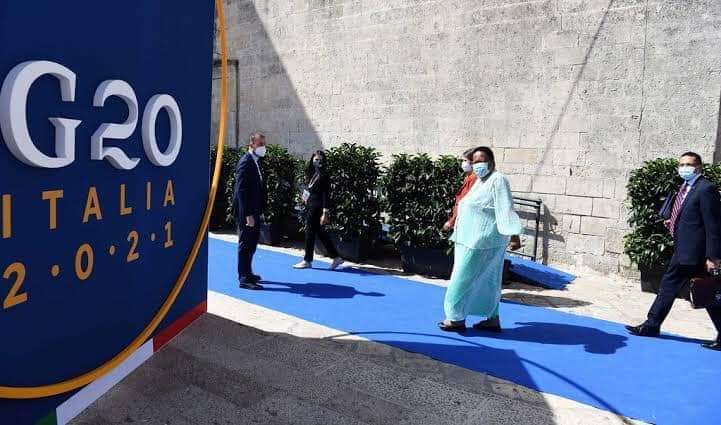
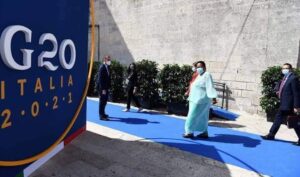
The Minister of International Relations and Cooperation, Dr. Naledi Pandor, will lead the South African delegation and participate in the G20 Leaders‘ Summit, scheduled for 30-31 October 2021 in Rome, Italy.

As the current President of the G20, Italy will convene the Summit under the three pillars of People, Planet and Prosperity.

The G20 brings together the world’s major economies. Its members account for more than 80% of world GDP, 75% of global trade and 60% of the population of the planet.

In the context of the COVID-19 pandemic, uneven global recovery, unequal access to vaccines and disruptions in global supply chains, the G20 will be seized with some of the most vexing challenges facing the global economy.

In this regard, South Africa prioritised access to vaccines, food security, debt and liquidity support, women empowerment and eliminating all forms of gender-based violence as some of the most important priorities for the G20 to address.

South Africa will also seek reaffirmation of previous commitments by the G20 relating to support for Africa’s industrialisation, the G20 Partnership and Compact with Africa as well as the G20’s commitment to addressing illicit financial flows.

Under the planet pillar, South Africa will advocate for equal treatment of the climate in terms of mitigation, adaptation and means of implementation, including financing and technology transfer.

Noting the importance of digitization as an enabler of prosperity, South Africa will advocate for a commitment by the G20 to address the digital divide and the role of data for development.

In addition to the substantive G20 programme, Minister Pandor will engage in a number of bilateral meetings on the margins of the Leaders’ Summit.

Photo: Dirco

Message by the Minister of International Relations and Cooperation, Dr Naledi Pandor, on the occasion of United Nations Day, Sunday, 24 October 2021

24 October 2021

The Government and people of South Africa join the international community in celebrating the 76th anniversary of the founding of the United Nations (UN).

UN Day marks the entry into force of the Charter of the United Nations on 24 October 1945.

Today the world faces urgent global challenges, which require global responses, more robust multilateralism and renewed commitment to the purposes and principles of the UN Charter. There is no place for nationalism and unilateralism.

On this day, South Africa pays tribute to the role of the UN, in particular, in the fight against Apartheid. That is why, amongst other reasons, South Africa believes in multilateralism and continues to lead the work of the UN to combat and eradicate racism, discrimination, xenophobia and related intolerances.

South Africa continues to play an important role in the work of the UN, having served as a member of the UN Security Council and brokered major breakthroughs such as the indefinite extension of the Treaty on the Non-Proliferation of Nuclear Weapons with regard to Weapons of Mass Destruction, the Paris Agreement with regards to Climate Change, as well as the role played by President Ramaphosa with regard to ensuring the centrality of the World Health Organisation in the global response to the COVID-19 pandemic.

The pandemic proves beyond any measure of doubt that no country can go it alone or retreat into the pursuit of a foreign policy based on nationalism. No one is safe until all are safe with respect to the pandemic. That is why South Africa is at the forefront of the call for vaccine equity and the temporary waiver of certain provisions of the Agreement on Trade-Related Aspects of Intellectual Property Rights to allow more countries to produce COVID-19 vaccines.

Now, more than ever, there is an urgency for the UN to be reformed and for the UN Security Council to reflect the realities of the world in its composition, working methods and decision-making with respect to the veto.

The Government and the people of South Africa mark this day with an immense sense of gratitude for the role of the UN, in particular the UN General Assembly and the UN Special Committee against Apartheid and commits to spare no effort in playing its part in ensuring that the UN remains relevant and responsive to the world.

The Minister of International Relations and Cooperation, Dr Naledi Pandor, arrived in Kigali. Rwanda, to participate in the 2nd African Union (AU)- European Union (EU) Ministerial Meeting, taking place on 25 and 26 October 2021

The purpose of the meeting is to enhance the African Union’s cooperation with the European Union; review the progress made since the Abidjan Summit; exchange views on the short, medium and long term perspective of the partnership; as well as to discuss preparation for the next AU-EU Summit, scheduled to take place in 2022.

Citizen E-Participation in Local Administration of Dhaka, Bangladesh.

24 October 2021

Despite the best efforts of the government, the lack of an effective platform to communicate real time local problems and issues that mostly remain unresolved due to the communication gap between the citizens and its government/administration, has been a common continuing household discussion amongst the citizens of Bangladesh.

This led to the formation of a public Facebook group, ‘Citizen Journalism Bangladesh’ by a2i in December 2016 in an effort to bridge the gap and build trust between government-citizen & non-government organizations. It provides a non-political platform for the citizens to share their experiences, needs and problems regarding government services and also solving problems collectively and reviewing citizen innovation under one roof. The group has over 34000 members and everyday new citizen experiences are shared.

This was later complemented by the development of a one stop citizen engagement and management digital platform, Shobar Dhaka, launched in January 2021 by Dhaka North City Corporation (DNCC) mayor, Mr. Atiqul Islam. City dwellers can download this application on their Android and iOS mobile devices to communicate with DNCC directly or report irregularities of the city corporation authorities by sending messages along with location and images under eight specialised categories. In 6 months, the platform has reached over 16000 registered users with a total of approximately 3481 complaints reported through the app, 95% of which (approximately 3304) issues have been resolved while the remaining 177 issues are in process.The platform has already won the Bangladesh Innovation Award 2021 in the Best Innovation in Public Service – Service Delivery category.

The app offers other features like emergency alert service, locations of available nearby services, updates of ongoing social events and training in the region, weather updates and contact numbers and addresses of DNCC offices and other various government agencies

The two platforms came together in collaboration in July 2021 with the aim to increase public participation in governance and reach to every household, to together identify and address all public concerns.

Citizen engagement

According to Md Tuhinul Islam, system analyst of DNCC, almost 10 million people live in the DNCC area and in comparison to that, only a small number of users were actively using the app. Hence as a campaign to reach a larger population, the mutual collaboration was put into action that seemed to have immediately gathered pace.

Through the app and Citizen Journalism Group, citizens are now easily reporting to the corporation by taking pictures with a real-time GPS location and details of everyday problems related to roads, mosquitoes, garbage, street lights, sewerage, public toilets, waterlogging and illegal installations. The app tracks the GPS location of the problem submitted by the citizens, determines which ward and region of the DNCC it belongs to and automatically sends it to the duty officer of the concerned region. The concerned officials take necessary steps to resolve the issue, all under the supervision of the information management and verification system of Shobar Dhaka. The citizens too are able to track the steps taken by the responsible officials to solve their issue on the app as well as keep track of the number of issues that have been attended to if multiple complaints are reported.

Mr. Samiul Islam from Mirpur (zone 2, ward 2) reported a complaint under Sewerage, on the 8th of May 2021, about a canal in Pallabi Women’s Degree College Road, brimming with dirt and waste material which was hampering the natural water flow in the canal. He requested to take necessary actions at the earliest.The problem was solved within 12 hours (9th May 2021) and Mr. Islam expressed his satisfaction by giving a 5-star rating to the app.
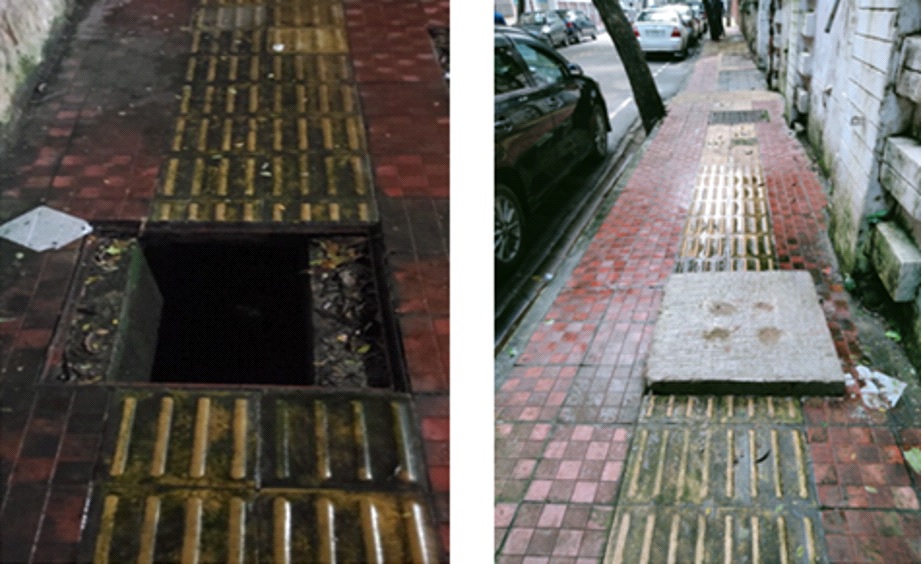
On 16th July 2021, Mr. Md. Rashel Hossain from Gulshan (Zone 3, Ward 19) complained, under Roads category, of a missing manhole cover on the pavement, that may cause a serious accident at any time. DNCC accepted his request overnight and allocated its resources to work on the issue, solving it within 36 hours. Mr. Hossain was satisfied with the work done and gave the app a 5-star rating.

On July 26, another citizen, Daniel Jewel posted and shared a similar concern in the Citizen Journalism Group on Facebook after noticing a hole in the road at night. When he came to know about the app from the facebook group, he captured a picture, uploaded that on the app along with the location to inform DNCC which was then resolved overnight. Jewel mentioned in his post that he submitted a total of six complaints in three categories till now and witnessed all of them to be resolved in every case, emphasizing that this app really works.

Total complaints received under the Category Roads Mosquito Garbage Street Light Public Toilet Drainage Illegal Installations Waterlogging Total
821 379 502 946 10 197 480 146 3481
Complaints resolved 777 376 497 903 7 184 414 146 3304
Complaints in process 44 3 5 43 3 13 66 0 177
% solution 94% 99% 99% 95% 70% 93% 86% 100% 95%

Figure 1: An overview of total complaints received and resolved (10 January to 24 June 2021)

Through data collection and analysis from the app, the citizens are also enabling DNCC to easily and efficiently identify the sector as well as the geographical areas that need the most attention and resources. This can ultimately guide a more effective budget formation and allocation of resources. As seen from Figure 1, DNCC has received the highest number of complaints under Streetlight issues, amongst all the categories.

The locals and netizens believe the local administration has built a true inclusive and holistic solution focused and action oriented platform that eliminates all bureaucracy and long lead time. A system that is of the people, by the people, for the people.

In today’s world of social media, the increase in posts about Shobar Dhaka app in the Citizen Journalism Bangladesh group and how swiftly and diligently the concerns were addressed, along with spontaneous interviews with group members on their experience of using the app, volunteer teams in the group voicing their concerns with the process and generating overall buzz on how it helped their cause has led to mass awareness. Positive word of mouth through real-life videos and reviews and open discussion and conversations on social media platforms are making people feel closer to the government than ever before. This new sense of community and empowerment has inspired other city councils like Rajshahi, Sylhet, and Mymensingh to devise such a platform.

There is no doubt that this amalgamation of the public and the provider of public services have resulted in the citizens becoming the torchbearers of the much desired digital transformation in the country.

Manik Mahmud is the Head of Social Innovation Cluster of a2i, the Bangladesh government’s flagship digital transformation program, jointly implemented by the ICT Ministry and Cabinet Office with technical support from UNDP.

Co-authored by Ashfaq Zaman, the Advisor-Communication of a2i.

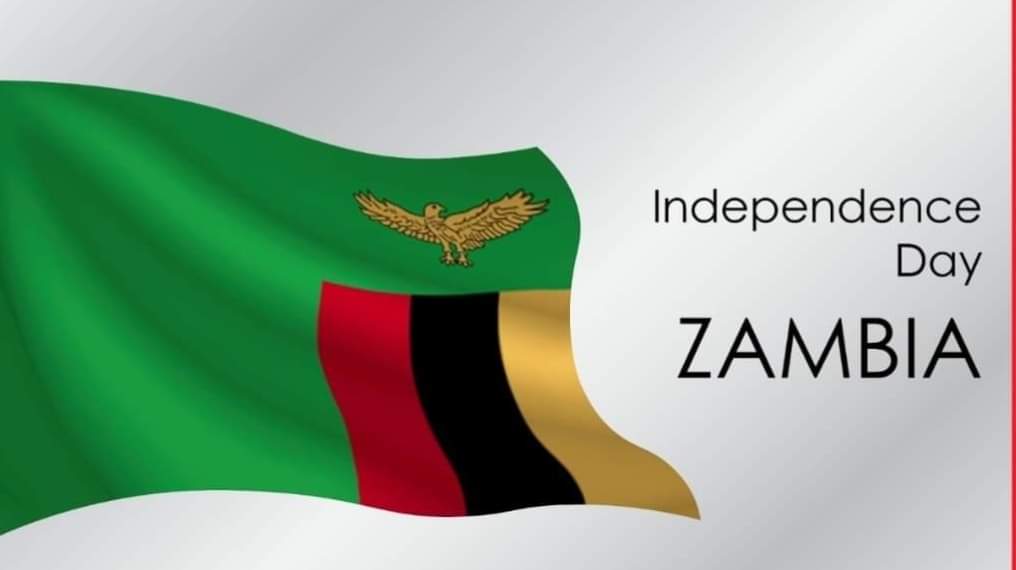
OCTOBER 24, 🇿🇲 ZAMBIA: INDEPENDENCE DAY.

Happy 57th Independence Anniversary Zambia.

Today, marks 57th years of ZAMBIA Independence from the United Kingdom.

On the occasion of the 57th Independence Anniversary, the Diplomatic Informer Magazine SA wishes to Congratulate the Government and the People of Zambia as they mark 57th years of Independence.

HAPPY UN DAY 24TH OCTOBER

Today marks the 76th anniversary since one of the best ideas humankind ever came up with: the United Nations. Happy UNDay 🇺🇳!!

The work of the United Nations covers five main areas:

Maintain International Peace and SecurityProtect Human RightsDeliver Humanitarian AidSupport Sustainable Development and Climate ActionUphold International Law

As an international organization with 193 Member States, the United Nations is uniquely positioned to address and solve global issues.

#UnitedNations. #UNDay 🇺🇳!!

 #UN76

REMEMBERING SECRETARY COLIN POWELL

24 October 2021

Colin Luther Powell was born on 5 April 1937, in New York City to parents who had immigrated from Jamaica. He was raised in the South Bronx and educated in the New York City public schools, he received a bachelor’s degree in geology from the City College of New York (CCNY) and also participated in ROTC at CCNY as well as received a commission as an Army second lieutenant upon graduation in June 1958. He was a professional soldier for 35 years, during which time he held many command and staff positions and rose to the rank of four-star general. He was Commander of the US Army Forces Command in 1989.

An American politician, statesman, diplomat, and United States Army officer served as the 65th United States secretary of state from 2001 to 2005. He was the first African-American secretary of state and served as the 16th United States national security advisor from 1987 to 1989 and as the 12th chairman of the Joint Chiefs of Staff from 1989 to 1993.

Powell’s last military assignment, from October 1989 to September 1993, as Joint Chiefs of Staff chairman, the highest military position in the United States Department of Defense. During this time, he oversaw 28 crises, including the invasion of Panama in 1989 and Operation Desert Storm in the Persian Gulf War against Iraq in 1990–1991. He formulated the Powell Doctrine, which limits American military action unless it satisfies criteria regarding American national security interests, overwhelming force, and widespread public support. He served as Secretary of State under Republican President George W. Bush. As secretary of state, Powell gave a speech before the United Nations regarding the rationale for the Iraq War, but he later admitted that the speech contained substantial inaccuracies. He was forced to resign after Bush was reelected in 2004.

In 1995, Powell wrote his autobiography, My American Journey, and then in retirement another book, It Worked for Me, Lessons in Life and Leadership (2012). He pursued a career as a public speaker, addressing audiences across the country and abroad. Before his appointment as secretary of state, he chaired America’s Promise. In the 2016 United States presidential election, Powell, who was not a candidate, received three electoral votes from Washington for the office of President of the United States. He won numerous US and foreign military awards and decorations. His civilian awards included the Presidential Medal of Freedom (twice), the Congressional Gold Medal, the Presidential Citizens Medal, and the Secretary’s Distinguished Service Award. Powell died from complications of COVID-19 on 18th October 2021, while being treated for a form of blood cancer that affected his immune system.

In remembering Secretary Colin Powell The Embassy of the United States of America Facebook Page 24/10/2021 said” He wanted to hear from everyone. He walked around the building dropping into offices unannounced, asking what people needed, making sure they knew he was counting on them. Secretary Powell was simply and completely a leader, and he knew how to build a strong and united team. He treated people the way he expected them to treat each other…” – Secretary of State Antony J. Blinken

May His Soul Rest in Eternal Peace