PAN-AFRICAN PARLIAMENT SET TO RESUME PARLIAMENTARY ACTIVITIES

27 June 2022

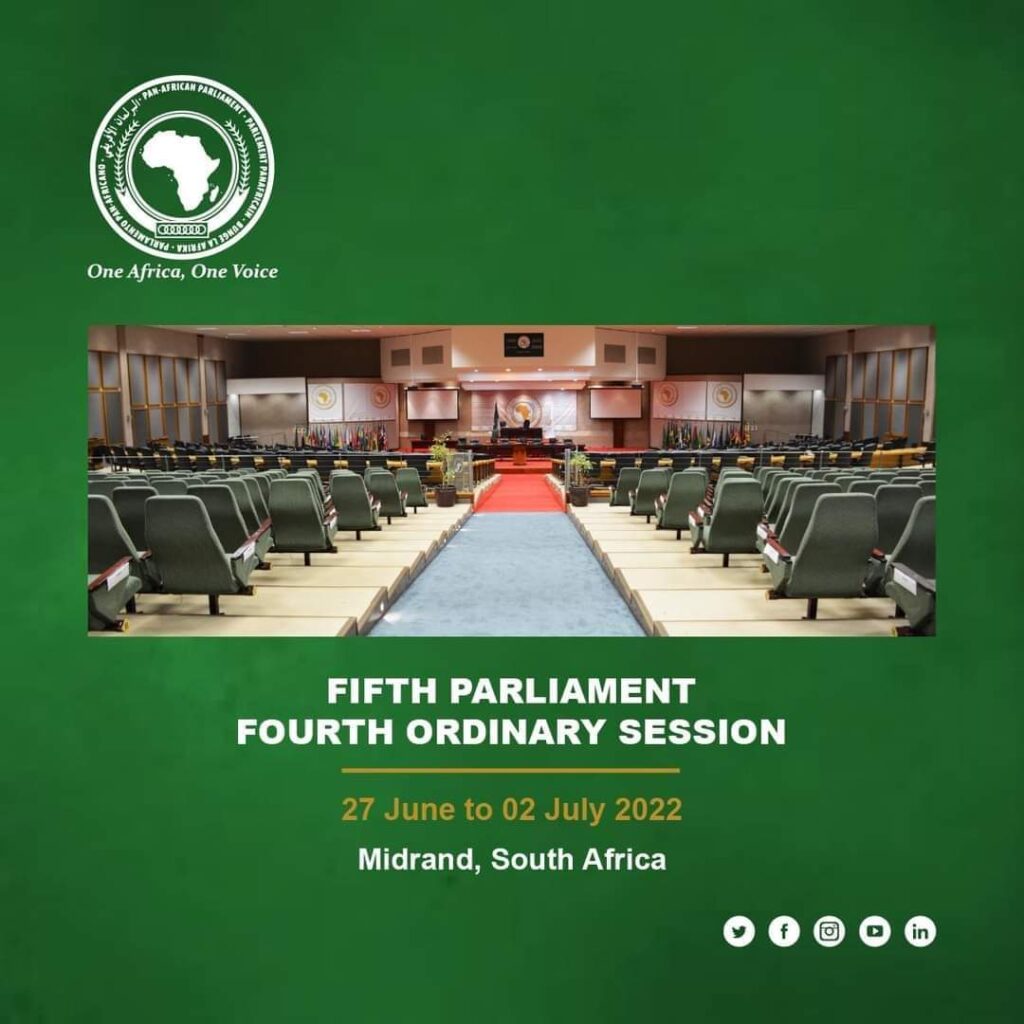
The Pan-African Parliament (PAP), the legislative arm of the African Union (AU), is scheduled to hold an ordinary session from 27 June to 02 July 2022 at the Parliament’s headquarters in Midrand, South Africa.

The main business on the agenda of the upcoming Session is the election of the new Bureau of the PAP, slated for 29 June 2022. The leadership of other structures of Parliament, including Permanent Committees and regional and thematic caucuses, will also be renewed during the Session.

The Chairperson of the African Union, the Chairperson of the African Union Commission and the Commissioner for Political Affairs, Peace and Security are expected to attend the upcoming election of the PAP Bureau Members. The electoral process will be conducted and managed by the Office of the Legal Counsel of the AU.

Furthermore, Permanent Committees are expected to finalise and adopt workplans in line with the AU theme for 2022: ’’Strengthening Resilience in Nutrition and Food Security on the African Continent: Strengthening Agro-Food Systems, Health and Social Protection Systems for the Acceleration of Human, Social and Economic Capital Development.”

The resumption of parliamentary activities follows the Executive Council Decision (EX.CL/Dec.1294(XXXIX)) and subsequent policy decisions and consultations, which resolved the impasse that transpired among Parliamentarians during the proceedings of the Plenary on 31 May and 01 June 2021, as the PAP was looking to elect the President and Vice-Presidents of its Bureau.

Several Parliamentarians from different countries will be sworn in as members of the PAP following elections in a number of African States and rotation within delegations. #PAPOrdinarySession

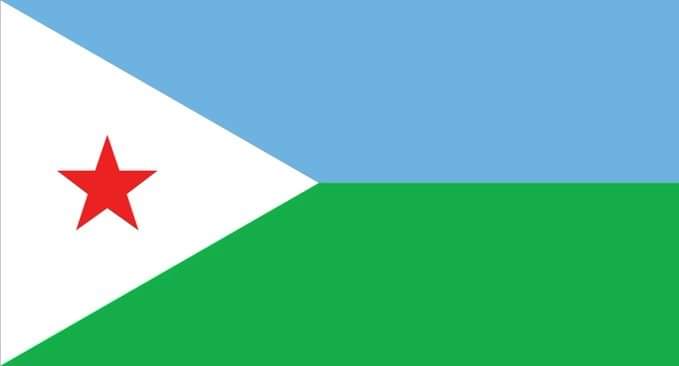
HAPPY INDEPENDENCE DAY TO THE PEOPLE OF DJIBOUTI🇩🇯.

Djibouti gained its independence from France on June 27, 1977.

Independence Day, observed annually on 27 June, is a national holiday in Djibouti. It mark the territory’s declaration of independence from France. An independence referendum was held in the French Territory of the Afars and the Issas on 8 May 1977 alongside elections for a Constituent Assembly.

Unlike the rigged 1958 and 1967 plebiscites, this time the territory became independent as Djibouti on 27 June 1977. Independence Day is associated with military parades, fireworks, concerts, fairs, and political speeches and ceremonies, in addition to various other public and private events celebrating the history and culture of Djibouti.

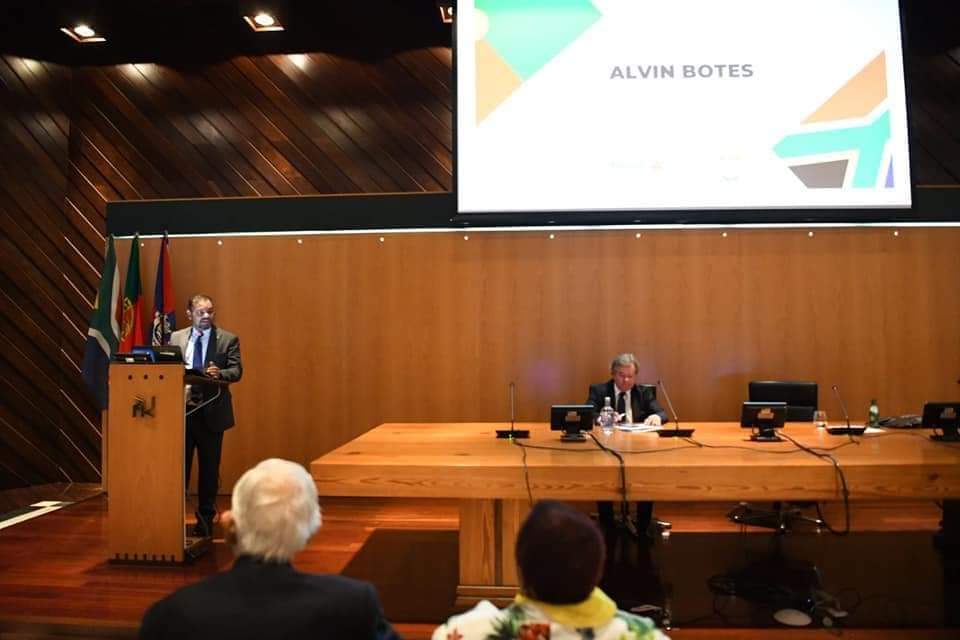
KEYNOTE ADDRESS BY DEPUTY MINISTER OF INTERNATIONAL RELATIONS AND COOPERATION, MR ALVIN BOTES, AT THE SOUTH AFRICA TRADE AND INVESTMENT SEMINAR IN PORTO

27 JUNE 2022

“SOUTH AFRICA: ECONOMIC RECOVERY POST-COVID”

Programme Director, Mr Paulo Ramalho, City Councillor for Economic Competitiveness

Ambassador Mmamokoena Gaoretelelwe, Head of the South Africa Embassy in Lisbon

Mr António Silva Tiago, Mayor of the Municipality of Maia,

Mr Luís Ribeiro, President, Associação Empresarial de Portugal

Mr Antonio Schneider, former Honorary Consul of South Africa in Porto

Mr Carlos Mendes, President, Associação Empresarial da Maia,

Mr Filipe Moutinho, Executive Managing Director, Sodecia

Mr David Schneider, new Honorary Consul of South Africa in Porto

Distinguished Guests

Ladies and Gentlemen

I wish to thank you, Mr Mayor and the people of Porto for the warm reception and hospitality extended to the South African delegation since our arrival. Indeed, it is a great honour to be present in Porto where we can work toward further strengthening South Africa and Portugal relations in the fields of trade and investments in various sectors.

Thank you for this opportunity to share some insights on a partnership between South Africa and Portugal that has great potential to transform the lives of our citizens and the fortunes of the businesses represented by the leadership gathered here in person and online.

We are grateful for the warm hospitality accorded to us during this visit and sincerely hope that we can reciprocate when you visit the beautiful shores of my country. South Africa and Portugal share a rich history, with approximately 500,000 South Africans of Portuguese descent and about 200,000 Portuguese nationals who reside in South Africa permanently.

Distinguished Guests

Ladies and Gentlemen

I had the honour to co-chair the 7th Bilateral Consultations between South Africa and Portugal, which took place last Friday, the 24th of June in Lisbon. During my discussions with the Secretary of State of Foreign Affairs and Cooperation, Mr Francisco André, we covered several important areas including education and training, science and technology, tourism, oceans and most importantly, trade and investment.

Earlier this year in March, South Africa concluded its 4th Investment Conference. President Cyril Ramaphosa’s investment drive to attract R1.2 trillion over a period of five (5) years has thus far achieved 95% of its ambitious target. Since the 1st Investment Conference, South Africa has attracted investment commitments across a broad range of economic sectors, including, mining, manufacturing, agriculture and the digital economy. Through today’s seminar and platform, I am convinced that we can find ways of increasing trade and investments between South Africa and the Republic of Portugal, which would be to the benefit of both our countries’ citizens.

I wish to reiterate that as Government, we remain committed to promoting our national priorities through our National Development Plan (NDP) to address and overcome the triple challenges of unemployment, inequality and poverty. In addition, the Economic Reconstruction and Recovery Plan (ERRP) forms part of extraordinary measures that the South African Government is undertaking to restore the economy to inclusive growth following the devastation caused by the Covid-19 pandemic.

Currently, our trade with Portugal is governed through the EU-SADC Economic Partnership Agreement (EPA), which makes it easier for people and businesses to invest in, and trade with each other, and to encourage development across Southern Africa. The flow of goods and services between South Africa and Portugal has grown steadily over the last few years, even amid the Covid-19 pandemic. From 2012 to 2021, total trade between South Africa and Portugal increased from approximately R2 billion in 2012 to approximately R7.5 billion in 2021. The trade balance is currently skewed in favour of Portugal and we are hopeful that events like this will assist us to address this imbalance.

It is important as we strive for a mutually beneficial trading relationship to intensify cooperation in value-added sectors such as agro-processing, infrastructure, minerals beneficiation, services, technology and skills transfer, health care, automotives and aquaculture. As the drivers of our commercial agenda, the onus is upon business to seek a more balanced trading portfolio.

Ladies and Gentlemen

We wish to applaud the significant investments that Portugal has made into South Africa over the years.

Investment is critical for the economic growth and development in an economy and the South African government is amplifying its efforts to attract quality investment that will assist in achieving our economic goals and objectives of enhancing the country’s industrial capacity.

South Africa remains an attractive and lucrative investment destination, where the return on investments are high, opportunities abound for both foreign and domestic investors.

We would like to mention, in particular, the R200 million investment by Sonae Auraco in the forestry sector in the province of Mpumalanga and the partnership between CR Moulds Portugal and MCR Plastics in the Eastern Cape (Gqeberha) and Gauteng (Silverton), a black owned company in South Africa to service the automotive sector. The latter project is significant because it aligns with our government’s priority to transform the automotive industry and to make it more inclusive.

The growth in the Portuguese business community in South Africa is a great demonstration of confidence in the South African economy and in the country as an attractive destination for significant investment. South Africa is a thriving democracy with an advanced and diverse economy, a sophisticated and well-regulated financial sector, and extensive transport, telecommunications and energy infrastructure. As Government, we are working hard to create a dynamic and enabling business environment that will promote greater productive investment in our economy.

S&P Global announced that it had upgraded South Africa’s economic outlook to “positive” from stable” due to improvement in the country’s fiscal position, boosted by an increase in prices of commodity exports, which, in turn, improved tax revenues. This piece of positive news came on the back of S&P Global’s peer, Moody’s, making a similar move in April when it upgraded South Africa’s outlook from “negative” to “stable”. Moody’s earlier this year revised South Africa’s economic outlook from negative to stable.

This upward revision is attributed to the decisive steps taken by our Government towards more predictable and transparent policies. This signals that South Africa’s macroeconomic and political fundamentals are in place, reinforcing our position as a credible investment destination.

It is within this context that we have embarked on this visit to Portugal to convey the message that South Africa is open for investment. We invite our Portuguese friends to follow the lead of the many EU companies that have already invested in the country.

Understanding that the key to economic growth and job creation lies in much greater levels of investment. As mentioned earlier, South Africa has embarked on an ambitious investment drive, which aims to raise $100 billion in new investment over five years. We have already achieved 95% of this target in investment commitments over the last 4 years. Next year will be the last instalment of the Presidential Investment Conference and we hope to see more announcements from Portugal at the event.

As part of the investment drive, we are intensifying efforts to improve the business environment.

We have put in place a very attractive package of incentives administered by the Department of Trade Industry and Competition and access to these incentives are facilitated by Invest South Africa. This institution has been established to assist potential investors in identifying opportunities and facilitating a seamless investment process.

Mr Rui Fragaso of the South Africa – Portugal Chamber of Commerce has joined us today and will focus on specific areas for the interest of Portuguese business. He will also be available later to address any queries you may have. Aligned to our investment drive, ten (10) Special Economic Zones (SEZ) have been designated in different parts of the country, each with their own particular advantages and focus. Companies that invest in SEZs benefit from a reduced corporate tax rate and the employment tax incentives. The support measures that South Africa offers in these SEZs are comparable to our global competitors, if not better.

In 2021, Africa witnessed the launch of the African Continental Free Trade Area (AfCFTA), the world’s largest common trading area since the establishment of the WTO. The Free Trade Area, encompassing 54 states of Africa, seeks to boost intra-Africa trade, eliminate tariffs and facilitate investments. This landmark agreement by African leaders creates a continental free-trade zone with a combined Gross Domestic Product (GDP) of USD$2.6 trillion and a market of over one (1) billion people. This makes South Africa an even more attractive investment destination as a gateway into our Continent.

As the most industrialised and diversified economy on the African continent, South Africa provides an ideal gateway into this vast continental market.

As I conclude, I am encouraged by the enthusiasm of Portuguese and South African businesses.

I sincerely believe that the strong ties of goodwill between our countries will indeed translate into economic gains for all our people. As the South African government, we remain committed to creating a business environment that is conducive towards supporting trade and investment.

As the world prepares for a post-Covid era, we are aware of the responsibility we have to realise a vision of global peace, prosperity and equality. We are aware that it is only through effective and meaningful partnerships between countries like Portugal and South Africa that we will be able to advance this cause.

We look forward to welcoming you to South Africa to see for yourself the great opportunities that South Africa has to offer.

Obrigado

I thank you

Content Credit: Dirco

Photo Credit: Dirco

‘BRICS+’: HIGH-QUALITY PARTNERSHIP FOR HIGH-LEVEL GLOBAL DEVELOPMENT

26 June 2022

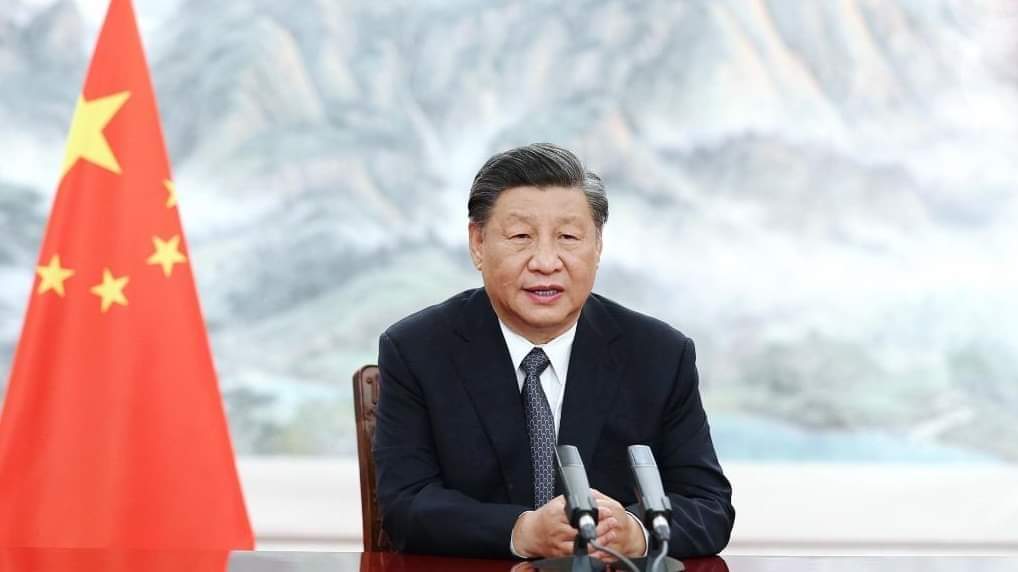
The year of 2022 is destined to become a year with great significance, not only for China, as will be shown by the 20th National Congress of the Communist Party of China (CPC) this autumn, but also for the international community longing for economic recovery, peaceful coexistence, and sustainable development. The 14th BRICS Summit and the High-level Dialogue on Global Development to be held on June 23 and 24, hosted by Chinese President Xi Jinping, are ready to lay down the foundation to meet the expectation and usher in a new era for global development with high-quality partnership. In his keynote speech to the opening ceremony of the BRICS Business Forum, President Xi has called on BRICS countries, other members of international community, as well as business leaders, to fulfill the responsibilities to accelerate the implementation of the United Nations’ 2030 Agenda for Sustainable Development, to steadily promote the implementation of Global Development Initiative, and to jointly build a community with a shared future for mankind.

Security and development are two major concerns of the world nowadays, and according to President Xi, the way out is to further cooperation instead of deepening confrontation, with a channel provided by the BRICS. The concept of “BRICS+,” first initiated by China in 2017 the last time it held the rotating chairmanship, has recently become a trending word and a mode for future collaboration and cooperation among emerging markets and developing countries, representing the firm rejection of unilateralism and strong call for multilateralism. Drawing upon the previous experiences and achievements, one can see clearly that the “BRICS+” mode not only works well for the member countries, but also offers inevitable and strong force for the global governance system that has already been shattered.

Read full article here:

https://news.cgtn.com/news/2022-06-23/-BRICS-High-quality-partnership-for-high-level-global-development-1b5MoHiWjYY/index.html

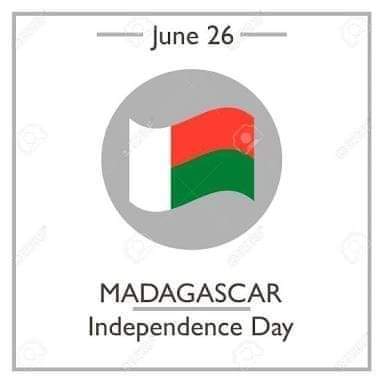
HAPPY INDEPENDENCE DAY MADAGASCAR JUNE 26th

It is the National Day of Madagascar and marks the country’s independence from France in 1960.

History of Independence Day

In the early 19th century, Madagascar was united and ruled as the Kingdom of Madagascar. Seen as a key strategic location by both France and Britain, France invaded Madagascar in 1883, eventually removing the monarchy and quashing resistance and imposing colonial rule in 1897.

During the second world war, the Vichy government of France unsuccessfully fought the British for the control of Madagascar. The actions of the French galvanised the growing call for independence, leading to the Malagasy Uprising of 1947. (commemorated on Martyrs’ Day on March 29th)

Though the uprising was subdued by the French, it forced the French to establish reformed institutions in 1956 and paved the way for Madagascar to move towards independence without the need for more violent insurrection.

The Malagasy Republic was proclaimed on October 14th 1958, as an autonomous state within the French Community. Soon after a constitution was adopted in 1959 and full independence as the Republic of Madagascar was gained on June 26th 1960.

Madagascar is the world’s fourth-largest island behind Greenland, New Guinea and Borneo. It has been an island for about 88 million years, since it split from India after the supercontinent Gondwana had broken up.

Every year Independence is celebrated with lots of food, drinking and dancing with fireworks and firecrackers a common sight and sound. It is a patriotic time with the flag of Madagascar flown from houses and balconies across the towns and villages on the island.

On June 26th, crowds gather at Mahamasina Stadium, in the capital Antananarivo to watch a military parade which is usually followed by a concert. The concert will include a presentation of ‘Hiragasy’, traditional music Malagasy; when singers wear traditional attire to present folk tales using songs, poetry and dance.

G7 LEADERS’ SUMMIT 2022

26 June 2022

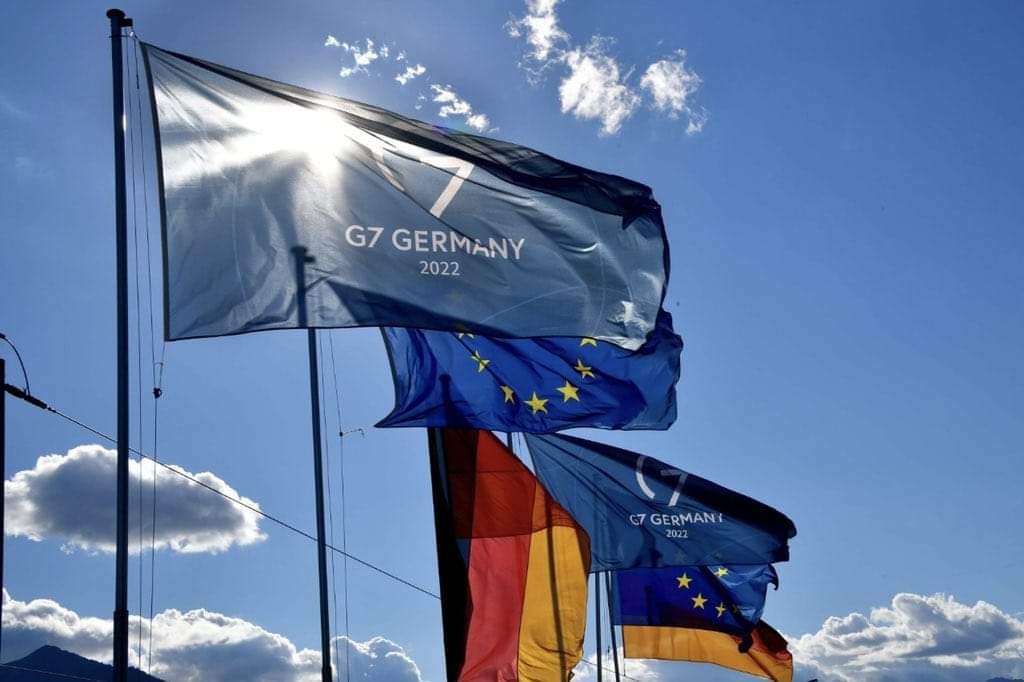
President Cyril Ramaphosa has this morning, 26 June 2022, arrived in Bavaria, in the Federal Republic of Germany to participate in the G7 Leaders’ Summit at the invitation of the host, Chancellor Olaf Scholz. He was received by Head of Bavarian State Chancellory, Mr Florian Herrmann, 🇿🇦 Ambassador to Germany Stone Sizani and 🇿🇦 Consular General in Munich, Ms Roleta Lebelo.

South Africa will participate in two outreach sessions on 27 June 2022, a working lunch on  “Investing in the future”, at which issues of climate, energy and health will be discussed, and a working session titled “Stronger Together”, where the Summit will address food security issues and advancing gender equality.

South Africa has been a regular invitee of the G7. Participation in the 2022 Leaders’ Summit presents an opportunity for the country to highlight the concerns of developing countries and to advocate for the continued global attention for equitable distribution of resources, particularly with regards to the on-going pandemic as well as economic recovery measures.

The Summit is scheduled to take place on Monday, 27 June 2022.

Alongside the G7 member states, invited non-member states that will participate in the Summit are the Republic of South Africa, the Republic of Argentina, the Republic of India, the Republic of Indonesia and the Republic of Senegal.

Germany has indicated that it will seek to strengthen the G7’s responsibility for working towards “the global common good”, thus expanding cooperation with all partners, especially within the framework of the United Nations and the G20, based on a fair and rules-based multilateral system.

Reflecting the outward-looking approach of recent Presidencies of the G7, guest leaders are invited to join outreach sessions within the summit agenda. In order to ensure that this involvement is meaningful, Germany has also invited international organisations and guest experts in specific outreach sessions, whilst preserving space and time for G7 member-only agendas, discussions and negotiations.

Collectively, the G7 countries represent approximately 40% of global gross domestic product (GDP) and 10% of the world’s population. The agenda of the G7 has, since the turn of the century, evolved from a sole focus on discussions on economic and financial issues to matters of peace and security, global governance, international terrorism, the environment, refugees and other geo-political and foreign policy related matters.

The G7 was formally established in 1975 following the financial crisis brought about by the 1973 oil crisis. In an attempt to improve the coordination of global economic and financial policy, the initial meetings were held by the Finance Ministers of the world’s five most industrialized and developed countries – France, Germany, Japan, the US, and the UK, who were later joined by Canada and Italy at a Presidential level, to form the G7.

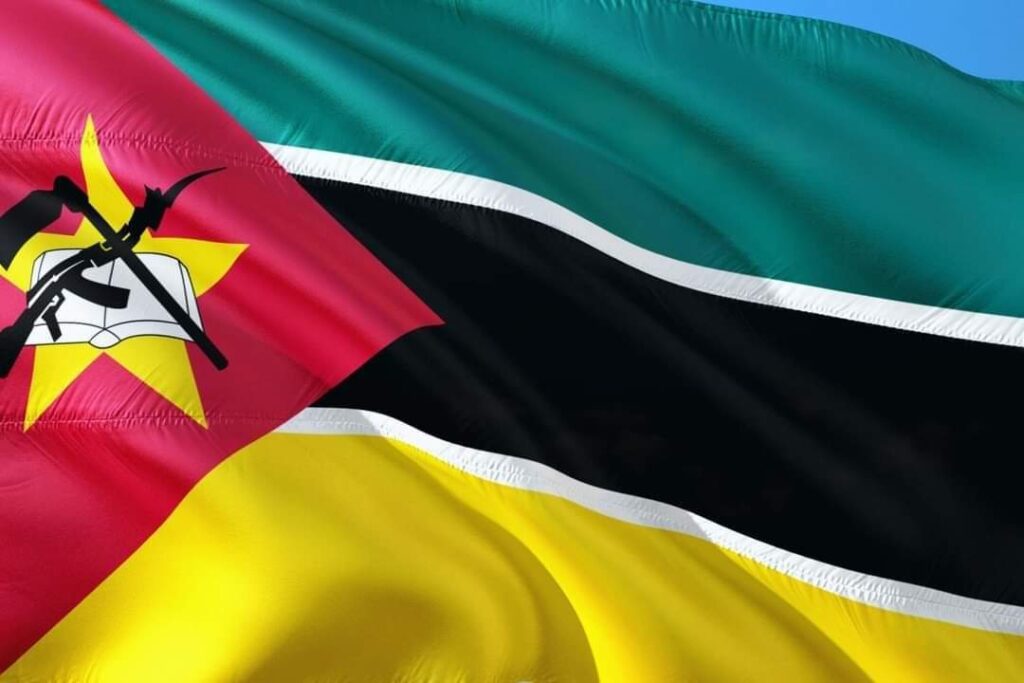
MOZAMBIQUE INDEPENDENCE DAY JUNE 25TH

Happy Independence Day Mozambique, also known in Portuguese as Dia da Independência Nacional, a national holiday celebrated on June 25th.

It commemorates Mozambique’s independence from Portugal on June 25th 1975.

Mozambique lies on the southeastern coast of Africa. the Europeans first visited Mozambique during the voyages of the Portuguese explorer, Vasco Da Gama at the end of the fifteenth century. By 1530, Portugal had established a strong presence in the region effectively controlling the area.

By the middle of the twentieth century, Mozambique was still an overseas territory of Portugal, despite the movement towards independence from the colonial powers that was taking place elsewhere on the African continent.

In 1962 several anti-colonial groups combined to form the Front for the Mozambique Liberation (FRELIMO). In September 1964, they began an armed guerilla campaign against the Portuguese.

Together with similar armed movements in other Portuguese territories such as Angola and Guinea-Bissau, this led to the Portuguese Colonial War. The conflict lasted almost ten years. In 1974, the revolution in Portugal restored democracy to the country and led to a change in attitude over overseas territories such as Mozambique.

FRELIMO took control of Maputo, the capital, in April 1974 in a coup. Independence for Mozambique was officially declared just over a year later on June 25th 1975.

#Mozambiqueindependenceday

#Mozambiquenationalday

#Frelimo

#DiadaIndependênciaNacional

THE 26TH COMMONWEALTH HEADS OF GOVERNMENT MEETING (CHOGM) 2022 IN KIGALI


25 June 2022

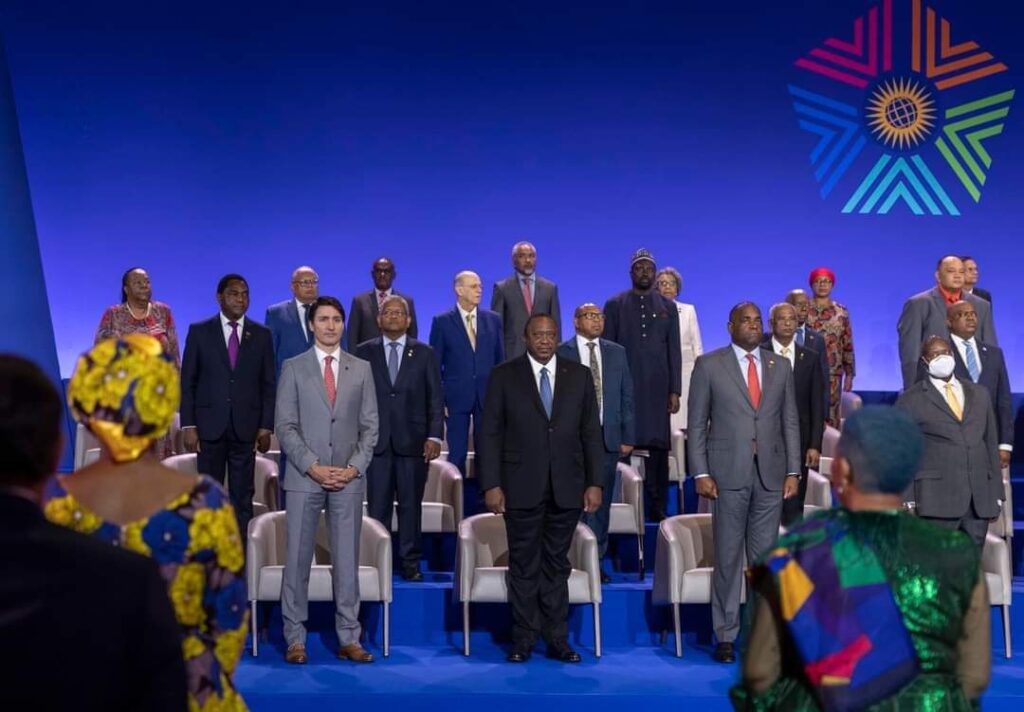
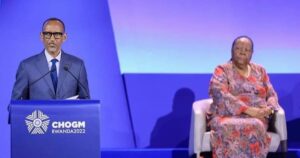
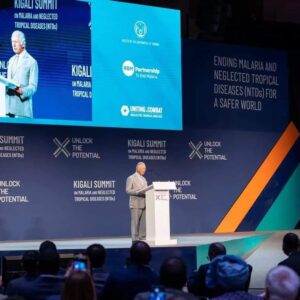
The 26th Commonwealth Heads of Government Meeting (CHOGM) took place on 20-25 June, 2022 in Kigali, Rwanda.

Over 50 heads of government gathered in Kigali, joined by business, philanthropy and civil society leaders including Their Royal Highnesses The Prince of Wales and The Duchess of Cornwall.

Delegates embraced unity and collaboration to tackle issues that are at the heart of the Commonwealth’s values, such as gender equality, youth empowerment, sustainable economic development and climate action.

 “With the Commonwealth, we already have many things in common indeed. Be it the language, be it the different systems, financial systems, that would enable us to make investments, trade with each other all together. We keep having to engage one another, finding out what we can to bring that balance to the extent that everyone in the commonwealth, the family of the nations feels they are part of it, no one is left behind.” President Kagame at the Commonwealth Business Forum Opening Ceremony

On the final day of the Commonwealth Heads of Government Meeting 2022 (CHOGM 2022), leaders met, under the theme of ‘Delivering a Common Future: Connecting, Innovating, Transforming’.

Heads underscored the importance of connecting, innovating, and transforming in order to facilitate a full recovery from the COVID-19 pandemic, achieve the 2030 Agenda, and to respond to conflicts and crises in ways that increase resilience and progress in delivering a common future, underpinned by sustainability, peace and prosperity, to improve the lives of all the people of the Commonwealth.

South Africa was represented by the Minister of International Relations and Cooperation, Dr Naledi Pandor who participated in the Commonwealth Heads of State and Government Meeting.

The Commonwealth Heads of Government usually meet every two years to discuss issues affecting both the Commonwealth members and countries internationally. The decisions taken at CHOGM shape and determine Commonwealth policy and priorities.

A Communiqué was adopted as an outcome of CHOGM 2022, and reflected on the Commonwealth’s 5 priorities:

* governance & the rule of law;

* itechnology & innovation;

* youth;

* environment;

* the multilateral trading system and deepening Commonwealth trade and investment.

The Commonwealth Secretariat thanked the people and Government of Rwanda for the warm hospitality extended to all who attended, and looks forward to Samoa which will be the host of the next CHOGM in 2024.

#CHOGM2022

HAPPY FIRST INTERNATIONAL DAY OF WOMEN IN DIPLOMACY

24 June 2022

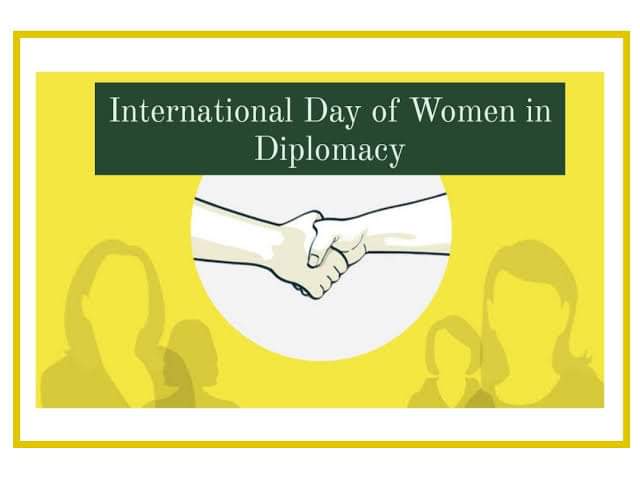
On 20 June 2022, the UN General Assembly (UNGA) declared 24 June International Day of Women in Diplomacy, thereby encouraging all relevant stakeholders to observe this important day annually.

This is a landmark declaration as the Assembly adopted by consensus, a resolution reaffirming that the participation of women, on equal terms with men, at all levels of decision-making is essential to the achievement of sustainable development, peace and democracy.

The declaration further displays the efforts of the United Nations system to advance gender parity and recognises the important contributions that women make to diplomacy, despite their underrepresentation in this field.

On June 24, let us do more than celebrating the immense progress that women diplomats have achieved all around the world.

Let’s use this day to actively confront the scepticism and gender bias that permeate the minds and hearts of many.

Let’s remember to make room for and honour the contributions of the scores of women who are taking the world of diplomacy to more inclusive, diverse, transparent and open heights.

#WomenInDiplomacy

#GenerationEquality

#GenderEqualityAndWomenEmpowerment #InternationalDayOfWomenInDiplomacy

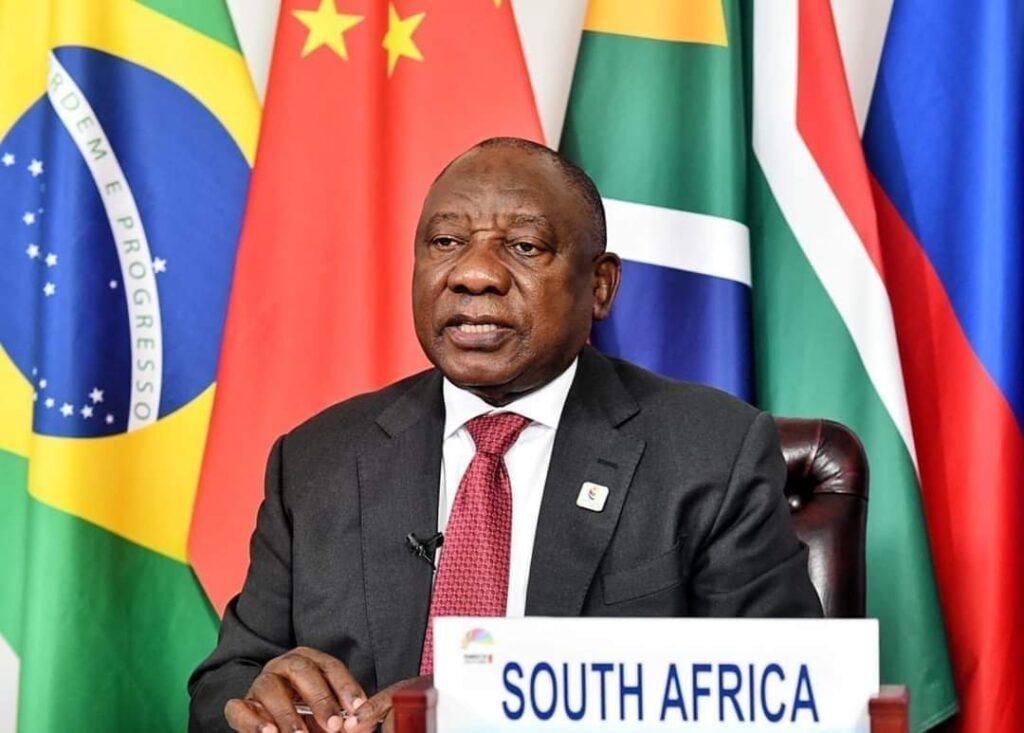
HIGH-LEVEL DIALOGUE ON GLOBAL DEVELOPMENT 14th BRICS HEADS OF STATE SUMMIT VIRTUAL PLATFORM STATEMENT BY PRESIDENT CYRIL RAMAPHOSA

24 June 2022

I would like to express my sincere appreciation to our Chair for continuing the BRICS tradition of meaningful engagement with like-minded emerging markets and developing economies.

We all share a desire for increased representation and a progressive perspective in global governance institutions.

We share a common history of struggle against imperialism, colonialism, exploitation and continued underdevelopment.

Our ties of solidarity were forged at the Bandung Conference in 1955, which culminated in the formation of the Non-Aligned Movement.

This remains the template for South-South cooperation and solidarity.

Less than a decade ago, the world united in a historic decision on the 2030 Agenda for Sustainable Development.

We recognised that eradicating poverty was the greatest global challenge of our time.

We committed ourselves to a common agenda for humanity that would see us collectively address climate change, conflict, poverty and insecurity.

The COVID-19 pandemic further revealed our inter-connectedness and exposed our shared vulnerability.

The Ukraine conflict has exposed the fault lines in the international order.

Urgent global issues like COVID-19, poverty, inequality, climate change and the broader sustainable development agenda have been eclipsed by the conflict.

We must safeguard the principle of multilateralism.

We need a United Nations that is fit-for-purpose and clear in its benefits to all humanity, especially in times of insecurity and crises.

We must promote international peace and security by advocating inclusive dialogue and the peaceful settlement of disputes.

We need to urgently reform the United Nations Security Council so that it can credibly and effectively perform its mandate. It is unjust that Africa with a population of 1.3 bn people does not have permanent representation on the UN Security Council.

As like-minded emerging market countries, we need to move from a common vision of an emerging international order to a common programme of change.

We must be committed to shaping our own institutions to support the growth and development of emerging economies.

Our vision has been to harness our common vision and resources to improve the lives of our people through mutually-beneficial cooperation and to actively shape the world to benefit the Global South.

We must approach our cooperation in a spirit of openness and solidarity with the genuine intention to find mutual interests and build common values.

We have the potential to leverage our combined economic strength to drive a sustainable global economic recovery.

It is up to us, as emerging and developing economies, to put the global South on a new trajectory of progress, prosperity and self-reliance and to shape an inclusive and equitable international order.

This is an opportunity to move from solidarity to collective action for the benefit of all our people.