SOUTH AFRICA – PORTUGAL RELATIONS

24 June 2022

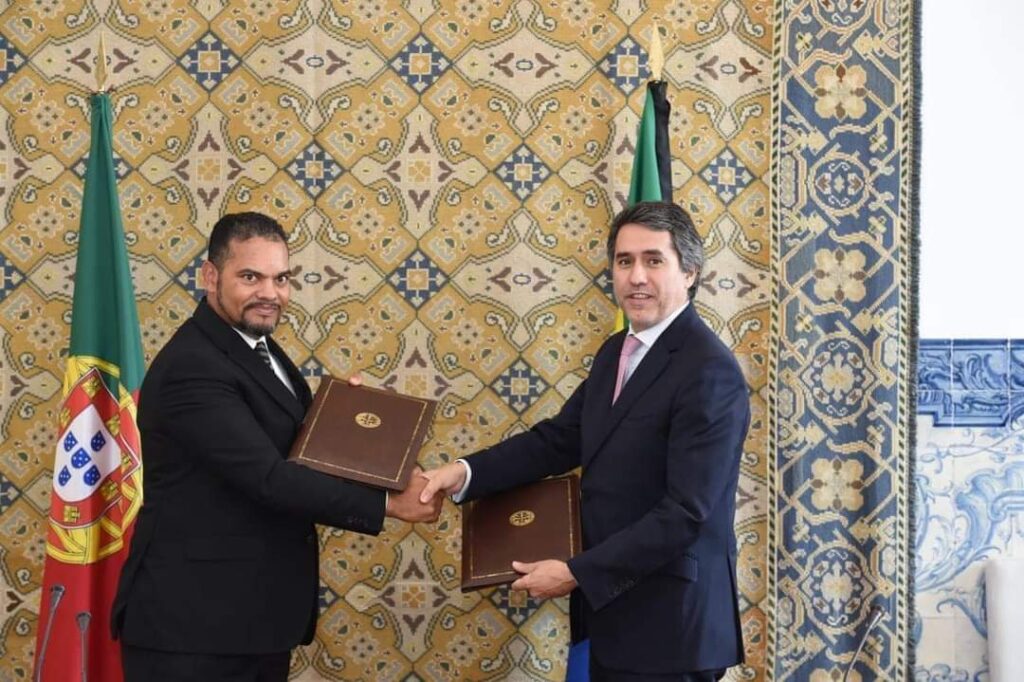
Deputy Minister Alvin Botes met with his Portuguese counterpart, Mr Fransisco André for a Bilateral Consultation in Lisbon, Portugal, 24 June 2022.

South Africa and Portugal signed a Memorandum of Understanding (MOU) in 2002 establishing High-Level Political Consultations. The bilateral mechanism is the key vehicle through which relations between the two countries are conducted.

From 2002 to 2017, the #BilateralConsultations were only conducted at the Senior Officials level.  During the 5th Senior Officials Meeting (SOM) in 2017, both countries agreed to elevate the SOM to Deputy Minister level.

Bilateral trade figures for 2020 and 2021 have been positive, with South African exports for this period surpassing the total exports for 2019. South African exports in 2021 were valued at approximately R2, 8 billion while imports from Portugal recorded approximately R ‪4, 6 billion in the same year.

The main areas of cooperation that came under review at the Bilateral Consultations included Agriculture; Basic Education; Defence; Ocean Economy; Science and Technology; Tourism and Trade and Investment.

JOINT COMMUNIQUE OF THE SEVENTH SESSION OF BILATERAL CONSULTATIONS BETWEEN PORTUGAL AND SOUTH AFRICA

1. Portugal and South Africa concluded a Memorandum of Understanding on Bilateral Consultations on 25 November 2002, which provides for regular meetings chaired by the Ministers or Deputy Ministers of Foreign Affairs of the two countries in order to discuss Bilateral Relations, Regional and Multilateral Issues.

2. Mr Francisco André, the Secretary of State of Foreign Affairs and Cooperation of Portugal, hosted the Seventh Session of Bilateral Consultations in Lisbon on 24 June 2022. The South African delegation to the Consultations was led by Mr Alvin Botes, the Deputy Minister of International Relations and Cooperation. During his visit, Deputy Minister Botes also paid a courtesy visit to the Minister of Foreign Affairs of Portugal, Mr João Gomes Cravinho.


3. During their opening remarks at the Bilateral Consultations, both delegations expressed their satisfaction with the progress that had been made in the development of bilateral relations since the Sixth Meeting of Bilateral Consultations held in Pretoria in 2019. They also expressed their commitment to deepening and strengthening this relationship, both in substance and diversity. The issues on the agenda included the following:

3.1. Recent developments in Portugal and the European Union

Secretary of State Francisco André provided a briefing on recent developments in Portugal, including the legislative elections and the implementation of the Portuguese Recovery and Resilience Plan. He also elaborated on recent developments in the European Union, including European actions to support Ukraine and energy and food security issues. He reiterated Portugal’s commitment to promoting and strengthening relations between the European Union and the African Union, one of the main objectives of the 2021 Portuguese Presidency of the Council of the EU and a long-lasting priority of Portuguese foreign policy.

3.2. Recent developments in South Africa and Africa

Deputy Minister Botes provided a briefing on developments in South Africa including the Economic Reconstruction and Recovery Plan, which aims to restore the economy to inclusive growth following the devastation caused by the COVID-19 pandemic. He also highlighted the developments of the African Continental Free Trade Area (AfCFTA), which seeks to boost intra-Africa trade, eliminate tariffs and facilitate investments.

3.3. General Overview

Portugal and South Africa recalled the array of bilateral instruments in force, on Taxation, Air Services and Scientific and Technologic Cooperation. Both countries expressed their willingness to conclude new bilateral instruments in the short term, including on Defence, Tourism and Fisheries.

Both countries agreed to foster bilateral visits to consolidate and deepen their bilateral ties and dialogue. Portugal conveyed President Rebelo de Sousa’s intention to celebrate the Portuguese National Day in South Africa in June 2023, emphasising the well-integrated Portuguese community living and working in the country. Both countries agreed that the preparations for the incoming visit can start as soon as it is officially confirmed.

3.4. Multilateral Issues

Portugal and South Africa emphasised their shared commitment to multilateralism, respect for the principles of the United Nations Charter and acknowledged their high level of mutual understanding and coordination in multilateral affairs.

Both sides praised the fruitful collaboration in international fora on Human Rights, namely within the Human Rights Council. Views were exchanged on United Nations reform, in particular the reform of the United Nations Security Council, the 2030 Agenda for Sustainable Development and Climate Change.

Portugal and South Africa recalled their good record regarding the mutual support of candidatures in international elections and reiterated their desire to continue to do so, whenever possible. In this regard, Portugal requested South Africa’s support to its candidacy to a non-permanent seat at the UN Security Council for the 2027-28 mandate.

3.5. Language, Culture and Education

Portugal and South Africa discussed the bilateral cooperation on Language, Culture and Education and committed to further enhancing in this area. Both sides recalled that the Portuguese language is referred to in the South African Constitution as one of the languages that must be promoted and respected.

Portugal expressed an interest in supporting the Department of Basic Education to offer Portuguese as a Second or First Additional Language in South African schools (grade R to 12) and as a Home Language (grade 10 to 12).

Both sides reiterated their interest to sign a Memorandum of Understanding that could provide a global framework for language promotion and teaching. To support this strategy, Portugal is available and interested in developing a programme to train South African teachers to teach Portuguese in primary and secondary schools.

3.6. Science and Technology

Both sides recalled the successful recent meeting held between the Portuguese Minister Elvira Fortunato and the South African Minister, Blade Nzimande, on the occasion of Portugal’s hosting of the Eureka Ministerial Conference on 22 June 2022.

Portugal and South Africa noted their fruitful bilateral cooperation in the fields of science and technology. The bilateral cooperation in the fields of science and technology was established by an agreement signed by both countries in 2015. Both sides reflected on the common priorities, including space, the Air Centre, ocean research and the Square Kilometre Array (SKA).

South Africa will be hosting the 7th High Level Dialogue of the AIR Centre which is scheduled to take place in Cape Town from 28 November to 2 December 2022, which will be hosted immediately prior to South Africa’s hosting of the Word Science Forum.

Both Ministers agreed to sign a Memorandum of Understanding (MoU) on Higher Education and Training by December 2022, to facilitate student and academic exchanges, as well as scholarships for PhD students in priority areas.

3.7. Trade and Investment

Portugal and South Africa exchanged views on bilateral trade and investment and agreed that the economic relationship between the two countries has not yet reached its full potential. They recognised the enormous potential for a deeper collaboration in areas such as agriculture, infrastructure, environment, and energy. Concerning trade in agricultural products, both sides recognised some difficulties and agreed to keep in close touch and to facilitate technical points of contact on sanitary and phytosanitary requirements.

3.8. Tourism

Tourism is a very relevant economic area for Portugal and South Africa in which both countries believe they can further cooperate, both bilaterally and at a multilateral level. It was agreed to foster collaboration in this field, particularly in training and skills development, exchange programmes and sharing of best practices. Both countries expressed their willingness to conclude the negotiations for a proposed Memorandum of Understanding on Cooperation in the field of Tourism.

3.9. Oceans

Portugal and South Africa acknowledged the importance of the ocean economy and noted the potential for future cooperation on Oceans, Fisheries and Marine Resources. Portugal recalled its proposal of a draft Memorandum of Understanding on Fisheries on Fisheries, Aquaculture and Marine Environment.

Portugal briefed South Africa on the upcoming second United Nations Ocean Conference, that Portugal will co-host, together with Kenya, from 27 June to 1 July 2022. Both countries reiterated their commitment to Oceans’ protection and sustainability.

3.10. Defence

Portugal and South Africa expressed their determination to further develop their relationship in the field of defence and emphasised their willingness to strengthen defence cooperation in areas such as maritime security, peacekeeping, military education and training, and defence industry. Both countries look forward to concluding the negotiations of a Defence Cooperation Agreement.

3.11. Regional and International Affairs

In an open and constructive spirit, Portugal and South Africa expressed their views on the main topics of the international agenda. They recalled their commitment towards multilateralism, respect for human rights and international law and the need to reinforce cooperation to ensure an inclusive post-pandemic recovery for all countries.

Portugal and South Africa discussed the insurgency in the province of Cabo Delgado, in Mozambique, and recognised each other’s efforts, including in the framework of the European Union and SADC, to support Mozambique.

Both delegations exchanged views on the consequences of the conflict in Ukraine including the desperate humanitarian situation and increased food and energy insecurity worldwide, particularly in Africa and the developing world. Portugal and South Africa expressed their profound solidarity with the families of the victims and shared their common desire for the conflict to end shortly.

Both sides recalled the results of the Sixth EU-AU Summit in February 2022 and expressed their strong commitment to deepening the Partnership between the European Union and the African Union, particularly on issues like security and governance, peace and economic prosperity.

4. It was agreed that the Eighth Session of Bilateral Consultations will be held in South Africa before the end of 2024.

The Joint Communiqué of the Seventh Session of the South Africa – Portugal Bilateral Consultations was signed in Lisbon on 24 June 2022.

#SAPortugalRelations 🇿🇦🇵🇹

#SAinPortugal 🇿🇦 🇵🇹

#BilateralConsultations
DEPUTY MINISTER ALVIN BOTES MEETING WITH DR WALTER SAUER

22 June 2022

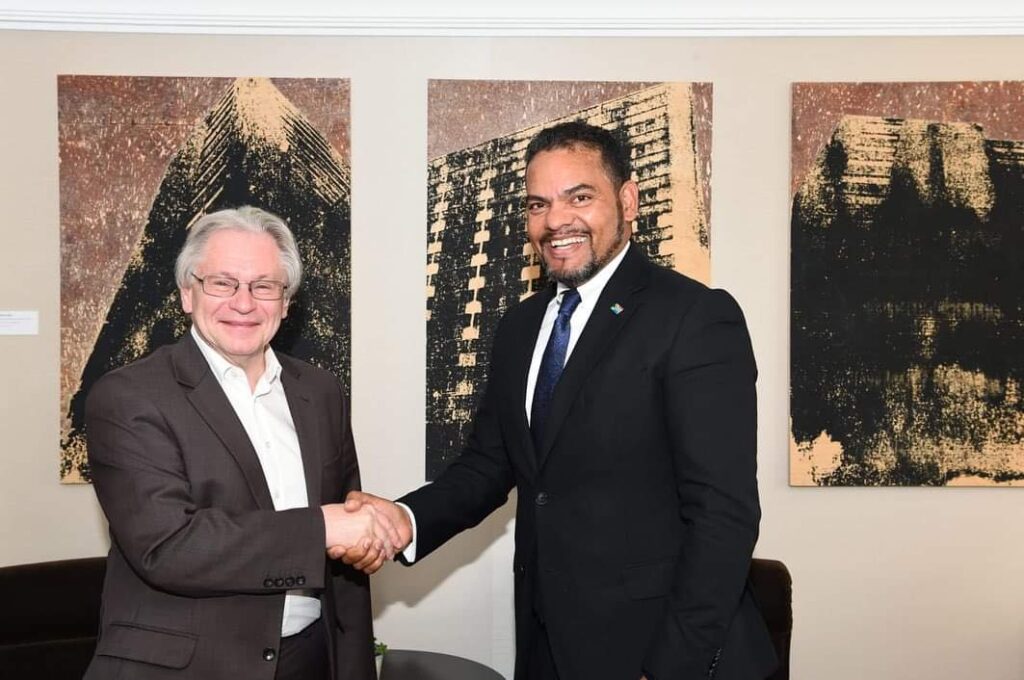
Deputy Minister Alvin Botes meeting with Dr Walter Sauer from the Southern African Documentation and Cooperation Centre (SADOCC), in Vienna, Austria, where amongst other issues, they discussed advancing peace and disarmament.

Dr. Walter Sauer is the last Chairman of the former Austrian Anti-Apartheid Movement and retired Professor at the Institute for Economic and Social History at the University of Vienna.

Dr Sauer has been the President of the Southern Africa Documentation and Cooperation Centre (SADOCC) since its establishment in 1992.

SADOCC, the anti-apartheid movement in Austria mobilised and influenced civil society and the Austrian government as part of the international campaign against apartheid, and supported the process of democracy, nation-building and restorative justice in South Africa, after the 1994 elections.

The Centre continues to play an important role in engaging the Austrian government, and parliamentary processes on decision and policymaking in Austria on the African continent.

SADOCC collaborates, annually, with the South African Embassy in Vienna, Austria on commemoration events on International Nelson Mandela Day. In March 2022, the Centre hosted the Desmond Tutu Commemoration together with the Desmond and Leah Tutu Legacy Foundation. Credit Content: Dirco

PRESIDENT RAMAPHOSA TO PARTICIPATE IN THE VIRTUAL 14TH BRICS SUMMIT

21 June 2022

President Cyril Ramaphosa will lead South Africa’s participation in the virtual 14th BRICS Leaders’ Summit hosted by the People’s Republic of China from 23 to 24 June 2022.

The Summit will be chaired by President Xi Jinping of the People’s Republic of China, as Chair of BRICS for 2022, under the theme “Foster High-quality BRICS Partnership; Usher in a New Era for Global Development”.

BRICS is a grouping of five major emerging economies – Brazil, Russia, India, China and South Africa – which together represent about 41% of the world’s population, 26% of the planet’s land mass across four of the continents, 25% of global GDP and 20% of world trade.

The grouping was established as a forum of like-minded, progressive emerging market and developing countries.

This association is committed to restructuring the global political, economic, and financial architecture to be more inclusive, fair, representative, and democratic with meaningful and greater participation of developing countries.

The Leaders will focus on strengthening intra-BRICS relations and mutually beneficial cooperation across the BRICS pillars of cooperation, namely, political and security, economic and finance, social, and people-to-people partnership.

The Summit will also receive reports from the BRICS National Security Advisors, the Chair of the BRICS Business Council, the Chair of the BRICS Women’s Business Alliance, and the President of the New Development Bank.

The Summit will also consider for adoption the BRICS 2022 Beijing Declaration that emphasises the priorities of the Chinese Chairship in 2022.

These priorities entail the three BRICS pillars of cooperation; enhancing trust, communication and coordination on global and regional issues; deepening practical cooperation in all fields, and enhancing dialogue and cooperation with other emerging markets and developing countries to broaden South-South cooperation for common development and prosperity.

Among the expected outcomes for this Summit are a standalone BRICS High-level Meeting on Climate Change; the adoption of an Action Plan for the Implementation of the Agreement between the Governments of the BRICS States on Cooperation in the Field of Culture, as well as the adoption of a BRICS Digital Economy Partnership Framework.

Others include a BRICS Initiative on Trade and Investment for Sustainable Development, a BRICS Initiative on Enhancing Cooperation on Supply Chains, a BRICS Strategy on Food Security Cooperation, a BRICS Initiative on Denial of Safe Haven to Corruption and Implementing Procedures of Joint Observation for the BRICS Remote Sensing Satellite Constellation.

The BRICS grouping engages in the spirit of openness, inclusiveness, equality, solidarity, consensus, and mutually beneficial cooperation.

In this regard, President Xi Jinping, as Chair of BRICS 2022, has invited Leaders from a number of emerging markets and developing countries to join the BRICS Leaders for a virtual High-Level Dialogue on Global Development under the theme: “Foster a Global Development Partnership for the New Era to Jointly Implement the 2030 Agenda for Sustainable Development”.

South Africa’s membership of BRICS enables the country to employ additional and powerful tools in its fight to address its domestic triple challenges of unemployment, poverty and inequality through science, technology and innovation, energy, health, and education cooperation, as well as through BRICS financing for infrastructure development, capacity building, research, educational and skilling, trade, investment, and tourism opportunities.

South Africa has made concerted efforts to place the African Continent and the Global South on the agenda of BRICS and to harmonise policies adopted in regional and international fora particularly Africa’s Agenda 2063 and the 2030 Agenda for Sustainable Development.

President Ramaphosa will on Wednesday, 22 April 2022, deliver a pre-recorded message at the opening ceremony of the BRICS Business Forum, scheduled for 13h00 SAST.

The President will also participate at the opening ceremony of the BRICS Leaders’ Summit on Thursday, 23 June 2022, as well as the BRICS High-level Dialogue on Global Development scheduled for Friday, 24 June 2022.

President Ramaphosa will lead a delegation comprising Dr Naledi Pandor, Minister of International Relations and Cooperation; Mr Mondli Gungubele, Minister in The Presidency; Mr Enoch Godongwana, Minister of Finance; Mr Ebrahim Patel, Minister of Trade, Industry and Competition, and Ms Stella Ndabeni-Abrahams, Minister of Small Business Development.

SOUTH AFRICA BIDS FAREWELL TO AMAMPONDO KING ZANOZUKO TYELOVUYO SIGCAU

21 Jun 2022

South Africa bids farewell to AmaMpondo King Zanozuko Tyelovuyo Sigcau at Funeral proceedings held at the Ndimakude Great Place at Flagstaff in Eastern Cape.

Scores of people including traditional leaders, government officials and members of the amaMpondo nation gathered at Ndimakude Great Place to bid farewell to the late king who passed away at the end of last month after a short illness.

Delivering his eulogy at the Special Official Funeral of His Majesty King Zanozuko Tyelovuyo Sigcau, Ndimakude Great Place, Flagstaff, President Ramaphosa expressed the nations deepest condolences during this difficult time.

 You are not alone in this sorrow. Our nation wishes you strength and peace in this difficult time. This is a sad and difficult day, a devastating loss for the family, the nation and the institution of traditional leadership.

When we received the news of the illness of his Majesty King Zanozuko, we believed that he would recover and continue with his duties of leading our people. Sadly, this was not to be.

He left us, in the prime of his life, when we were still expecting much from him.

When His Majesty King Zanozuko Sigcau was confirmed a few years ago as the King of the AmaMpondo, that occasion heralded a new era for the kingdom.

It held a promise of peace, unity, development and cooperation among the AmaMpondo.

Working with local government, civil society and his community, His Majesty immediately set about to implement development projects to advance the interests of our people in this place.

He visited other Kings to discuss issues of unity and development of their people.

When I visited this area in November last year, I met with His Majesty the King and other Kings and Traditional leaders and members of the communities.

I met with the leadership of AmaMpondo ase Qawukeni and AmaMpondo ase Nyandeni. We discussed the need for effective consultation on all development programmes in these areas.

On the occasion of the launch of the Eastern Seaboard Development Initiative, I had the privilege of discussing this mega project with the King.

I was impressed and enriched by his vision of socio-economic development.

He impressed me with his extensive analysis of the terrible conditions in which our people live in these parts of our country.

He knew exactly what challenges exist in this area and the many opportunities and endowments we should use to improve people’s lives.

The Eastern Seaboard Development Initiative proposes the establishment of a new coastal post-apartheid city covering parts of the Alfred Nzo, Harry Gwala, OR Tambo and Ugu District Municipalities.

Kumkani Zanozuko appreciated the socio-economic impact of this initiative and how it could benefit the impoverished and underdeveloped AmaMpondo communities.

He took it upon himself to champion the Eastern Seaboard Development Initiative and started engaging other affected Kingships urging their support.

King Zanozuko was passionate about involving communities as investors in the initiative through land ownership.

To His Majesty, local communities were the first investors in the initiative, whose views and interests should guide the process.

With the Eastern Cape being one of the provinces with high unemployment and poverty rates, we counted on His Majesty’s visionary leadership in this and many other projects to transform the socio-economic conditions of his people.

He was among those monarchs who are determined that economic development should not be confined to the urban centres of our country.

He was one of those leaders who championed the Invest Rural Master Plan, a flagship project promoted by the National House of Traditional and Khoisan Leaders.

His Majesty’s passing left many tasks unfinished and took from us a beacon of development, social norms and values.

We are called upon to take forward his mission. Kumkani Tyelovuyo Sigcau descended from a line of heroic leaders, such as Kumkani Faku, who stood their ground against colonialists and other invaders.

They fought for their territory, their sovereignty and for the well-being of their people.

This area has always been a site of struggle. Some of the most revered leaders of the anti-apartheid struggle, including giants like Isithwalandwe Oliver Reginald Tambo, came from this area.

The Pondoland revolt of the 1960s against the Bantu Authorities was a clear message of defiance against racial oppression.

Many AmaMpondo were killed, maimed or imprisoned for their defiance.

All these wars and struggles ensued so that there can be justice, development and equal opportunities for all.

Since the time has come, no one should stand in the way of this development, which is the dividend of the freedom for which our heroes fought.

Colonialism not only caused widespread dispossession and misery.

Colonialism also sought to distort the institution of traditional leadership in ways that we continue to experience, including through lingering succession disputes.

Yet, despite the concerted effort by colonial rulers to distort the institution, traditional leadership has held firm and has continued to advance the interests of the people it serves.

Under our democratic Constitution and with the progressive laws we have enacted, the institution of traditional leadership is well-positioned to support the economic and social empowerment of all South Africans.

A true father of the nation, His Majesty reviled the migrant labour system, where his people, particularly men, leave their families behind and move to far-away places to seek employment.

He once said:

“It is my hope and my dream that one day soon, my people will not be forced by poverty and desperation to travel for a thousand kilometres from their homes to find work in Rustenburg.”

He longed for a time when the sons and daughters of this area would find employment and other economic opportunities here, so that they can raise families in conditions of comfort, stability and security.

He longed for a time when their skills, energy and effort would be put to good effect to build this area and this province.

His Majesty knew the reality that despite the importance of migrant remittances, they will always be inadequate to sustain livelihoods in his area.

He knew that development has to be engendered from within, from local communities, so that it can be sustainable.

This is why His Majesty was so passionate about developing this area.

In his memory, we must continue with the development projects he was involved in.

We must give full effect to the District Development Model. His passing compounds the challenges before us.

A few months ago, parts of the Eastern Cape and KwaZulu-Natal were ravaged by devastating floods, resulting in massive loss of life and infrastructure.

We pay tribute to those who lost their lives, and we should commit, in their memory, that no project should be stalled as we work hard to develop our people.

The devastating floods hit us when we were still recovering from the COVID-19 pandemic.

It is important to emphasise that we are not yet out of danger.

We must each take responsibility for our own health and those of others.

If anyone has not yet been vaccinated against COVID-19, I encourage them to do so, and to also subsequently take booster jabs as directed, so that we can defeat the pandemic and direct the resources to development projects.

In this Youth Month, I urge all the youth formations to take this message to their various constituencies so that we all get vaccinated.

Two days before his Majesty’s passing, the Communal Land Summit was held in Ekurhuleni.

The summit dealt with ownership of land by communities, land audits and conflict resolution mechanisms.

These are issues which His Majesty left us still grappling with, and which, working closely with all traditional leaders, we now need to resolve and conclude.

His Majesty was a fervent champion of the fight against gender-based violence, organising imbizos, among other initiatives, to address this scourge.

This is a fight that we all need to take up.

In the same vein, we should also confront archaic practices such as ukuthwala, which violate young girls and deprive them of education and other essential opportunities to create a better future for themselves.

Through such efforts, we can help to restore the sanctity and tranquillity of rural life, and enhance the social cohesion which His Majesty so passionately embraced.

Our Traditional Leaders are the custodians of our people’s traditions and cultures, and in this time of mourning him we know that some festivities and other functions are normally put on hold, according to custom, to observe the solemnness of this period.

We appeal to traditional leaders and elders here and all over the province to be watchful as the initiation season begins, because this is the time when we lose many of our young people at the initiation schools.

We urge more vigilance against fake initiation schools so that we save lives and preserve the integrity of this age-old practice.

We will remember Kumkani for many years.

His name shines in the pantheon of the traditional leaders of this country who fought gallantly against dispossession and exploitation, who fought for a better life for their people.

Umthi omkhulu uwile; lalani ngenxeba MaMpondo.

Boo Faku, boo Nyawuza, sithi singu Rhulumente, akuhlanga lungehliyo, thuthuzelekani said President Ramaphosa.

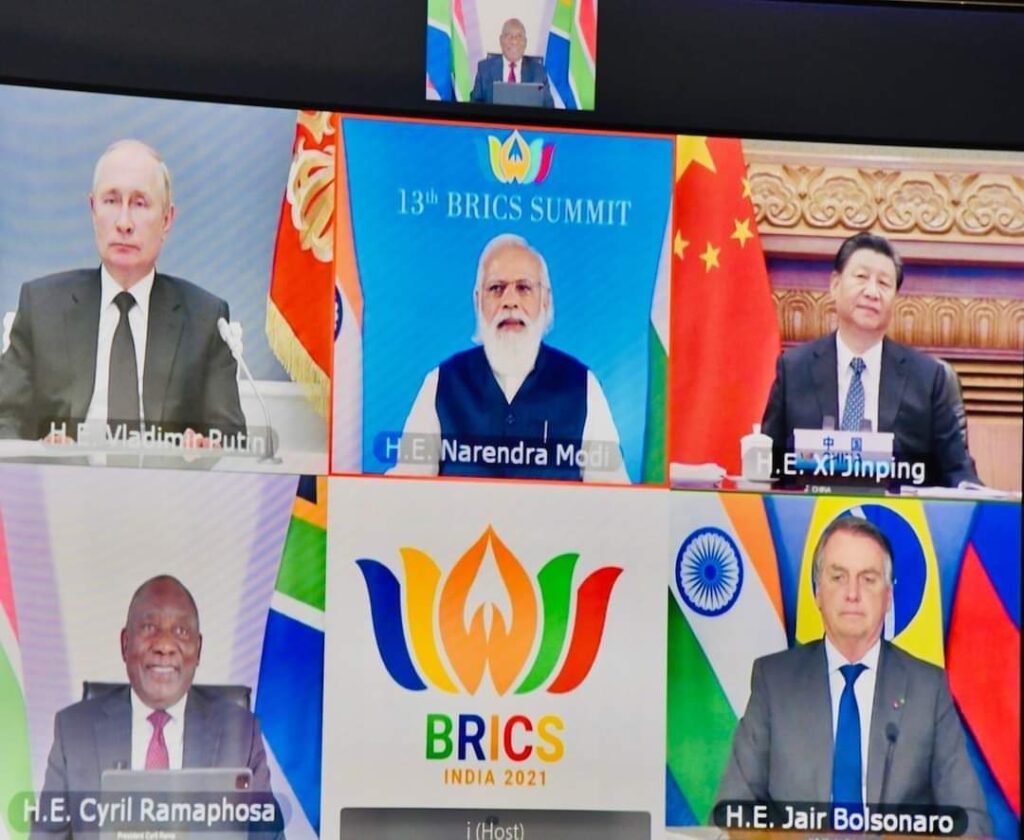
THE INTERNATIONAL DAY OF YOGA

21 June 2022

The International Day of Yoga has been celebrated annually on June 21 since 2015, following its inception in the United Nations General Assembly in 2014.

Yoga is a physical, mental and spiritual practice which originated in India.The Indian Prime Minister, Narendra Modi, in his UN address in 2014, had suggested the date of June 21, as it is the longest day of the year in the Northern Hemisphere and shares a special significance in many parts of the world

What is Yoga and why do we celebrate it?

Yoga is an ancient physical, mental and spiritual practice that originated in India. The word ‘yoga’ derives from Sanskrit and means to join or to unite, symbolizing the union of body and consciousness.

Today it is practiced in various forms around the world and continues to grow in popularity.

Recognizing its universal appeal, on 11 December 2014, the United Nations proclaimed 21 June as the International Day of Yoga by resolution 69/131.

The International Day of Yoga aims to raise awareness worldwide of the many benefits of practicing yoga.

The draft resolution establishing the International Day of Yoga was proposed by India and endorsed by a record 175 member states. The proposal was first introduced by Prime Minister Narendra Modi in his address during the opening of the 69th session of the General Assembly, in which he said: “Yoga is an invaluable gift from our ancient tradition. Yoga embodies unity of mind and body, thought and action … a holistic approach that is valuable to our health and our well-being. Yoga is not just about exercise; it is a way to discover the sense of oneness with yourself, the world and the nature.”

The resolution notes “the importance of individuals and populations making healthier choices and following lifestyle patterns that foster good health.” In this regard, the World Health Organization has also urged its member states to help their citizens reduce physical inactivity, which is among the top ten leading causes of death worldwide, and a key risk factor for non-communicable diseases, such as cardiovascular diseases, cancer and diabetes.

But yoga is more than a physical activity. In the words of one of its most famous practitioners, the late B. K. S. Iyengar, “Yoga cultivates the ways of maintaining a balanced attitude in day-to-day life and endows skill in the performance of one’s actions.”

The COVID-19 pandemic has been an unprecedented human tragedy. Beyond its immediate impact on physical health, the COVID-19 pandemic has also exacerbated psychological suffering and mental health problems, including depression and anxiety, as pandemic-related restrictions were introducedin various forms in many countries. This has highlighted the urgent need to address the mental health dimension of the pandemic, in addition to the physical health aspects.

People around the world embraced yoga to stay healthy and rejuvenated and to fight social isolation and depression during the pandemic. Yoga is also playing a significant role in the psycho-social care and rehabilitation of COVID-19 patients in quarantine and isolation. It is particularly helpful in allaying their fears and anxiety.

In addition to the human suffering, the COVID-19 pandemic has also highlighted several key vulnerabilities of the economic and developmental models of countries around the world. Future prosperity demands that the member states rebuild differently as they recover from the COVID-19 pandemic.

The essence of yoga is balance – not just balance within the body or that between the mind and the body, but also balance in the human relationship with the world. Yoga emphasizes the values of mindfulness, moderation, discipline and perseverance. When applied to communities and societies, Yoga offers a path for sustainable living.

Yoga can be an important instrument in the collective quest of humanity for promoting sustainable lifestyle in harmony with planet Earth. In keeping with this spirit, the theme for this year’s Yoga Day celebrations is “Yoga for Humanity.”

MINISTER NALEDI PANDOR TO LEAD A SOUTH AFRICAN DELEGATION TO THE COMMONWEALTH HEADS OF GOVERNMENT MEETING (CHOGM 2022)

21 June 2022

The Minister of International Relations and Cooperation, Dr Naledi Pandor, will lead a South African delegation to the Commonwealth Heads of State and Government Meeting (CHOGM 2022) scheduled to be held on Friday, 24 June 2022 and Saturday, 25 June 2022 in Kigali, Rwanda.

The Meeting will be held under the theme “Delivering a Common Future: Connecting, Innovating, Transforming”.

It will be preceded by a Pre-CHOGM Foreign Affairs Ministers Meeting (CFAMM) on Thursday, 23 June 2022 and a Senior Official Meeting (SOM) on Wednesday, 22 June 2022.

The Commonwealth Heads of Government usually meet every two years to discuss issues affecting both the Commonwealth members and countries internationally. The decisions taken at CHOGM shape and determine Commonwealth policy and priorities.

The format of CHOGM 2022 will include a Ministerial and Head of Government segment, including a one-day Retreat, where Heads of Government will nominate a new Chair-in-Office of the Commonwealth in 2024 and elect a new Commonwealth Secretary-General.

A Communiqué will be adopted as an outcome of CHOGM 2022, which will reflect on the Commonwealth’s five priorities, which are: (i) governance and the rule of law; (ii) technology and innovation; (iii) youth; (iv) environment; and (v) the multilateral trading system and deepening Commonwealth trade and investment.

It is also expected that in addition to the main Communiqué, CHOGM 2022 will also adopt three standalone declarations, namely: (i) the Kigali Declaration on Childcare and Protective Reform; (ii) a Commonwealth Living Lands Charter; and (iii) a Declaration on Sustainable Urbanisation. Heads may also decide to release a Leaders’ Statement, which is a summary of the Retreat Sessions.

The Commonwealth consists of 54 members. Membership includes countries amongst the world’s largest, smallest, richest, and poorest. Nineteen (19) are from Africa and thirty-one (31) members are classified as small states. All members are expected to subscribe to the Commonwealth’s values and principles outlined in The Commonwealth Charter, which amongst others are: consensus and common action, mutual respect, inclusiveness, transparency, accountability, legitimacy and responsiveness.

Prior to CHOGM 2022 four Forums, namely the Commonwealth Business Forum; the Commonwealth People’s Forum, the Commonwealth Youth Forum and the Commonwealth Women’s Forum, will take place. The Forums will offer a platform for a wider debate on some of the key issues and challenges, in advance of discussions by leaders at CHOGM. Reports on their deliberations will be presented during the Pre-CHOGM and CHOGM meetings.

Minister Pandor arrives in Kigali on Wednesday, 22 June 2022.

COLOMBIA ELECTS ITS FIRST BLACK VICE PRESIDENT

21 June 2022

Colombia made history with its latest presidential election.

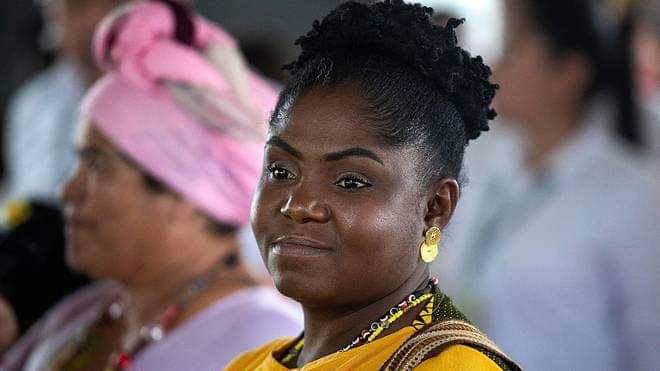
According to Axios, Francia Márquez will become the South American nation’s first Black vice president after Gustavo Petro won the country’s presidential runoff election on Sunday.

Márquez celebrated the historical moment with a poignant statement that spoke to the marginalization of Black Colombians, “It’s time to move from resistance to power.”

The 40-year-old former maid turned attorneys and activist became Petro’s vice-president elect after the leftist guerrilla leader beat a millionaire real estate mogul in an election usually won by Colombia’s moderate and conservative politicians. France 24 reported that Márquez’s win signified a  shift in political and social shift in a nation plagued by a fundamentally racist country.

Born in Yolombó, a town in the province of Antioquia, Black people were considered the minority– representing only 2% of the population. Márquez’s representation of Blacks in Colombia is much-needed in politics given the country’s 6.2% Afro-descendant population having been ignored and marginalized since the nation’s inception.

About Márquez’s victory, Olga Lucia Gonzalez, an associate researcher and specialist on Colombia at the University of Paris-Diderot, shared with France 24 the excitement behind her win, “Within the population, there has been a lot of popular anger in recent months directed towards the political class, particularly linked to the Covid-19 pandemic.

Francia Marquez comes from civil society and not from the traditional political elite. This is an argument that she plays on, and that goes greatly in her favour.”

Gonzalez also explained that Márquez did address issues that weren’t necessarily important to previous Colombian administrations, adding, “But above all, she is a woman, Black, Afro-Colombian, and she brings with her issues that until now have been totally forgotten, like the relationship to colonialism, sexism, racism.”

Sunday’s election also had another Black candidate– Marelen Castillo, the running mate of runner-up Rodolfo Hernández,.

On the importance of having Black leadership within the second nation in the Western Hemisphere with the largest Black population, Colombian anthropologist Eduardo Restrepo told AXIOS, “Afro-Colombians are overrepresented in the numbers of forcibly displaced people and victims of violence. This idea inherited from colonial times that some people are meant to govern and others to be governed.”

Our Sincere congratulations and best wishes to Francia Marquez, who has become the first Black woman to serve as Vice President in Colombia.

She is an inspiration to Black women & girls around the world who have their desire on their countries’ highest leadership positions.

Content Credit: Keka Araujo

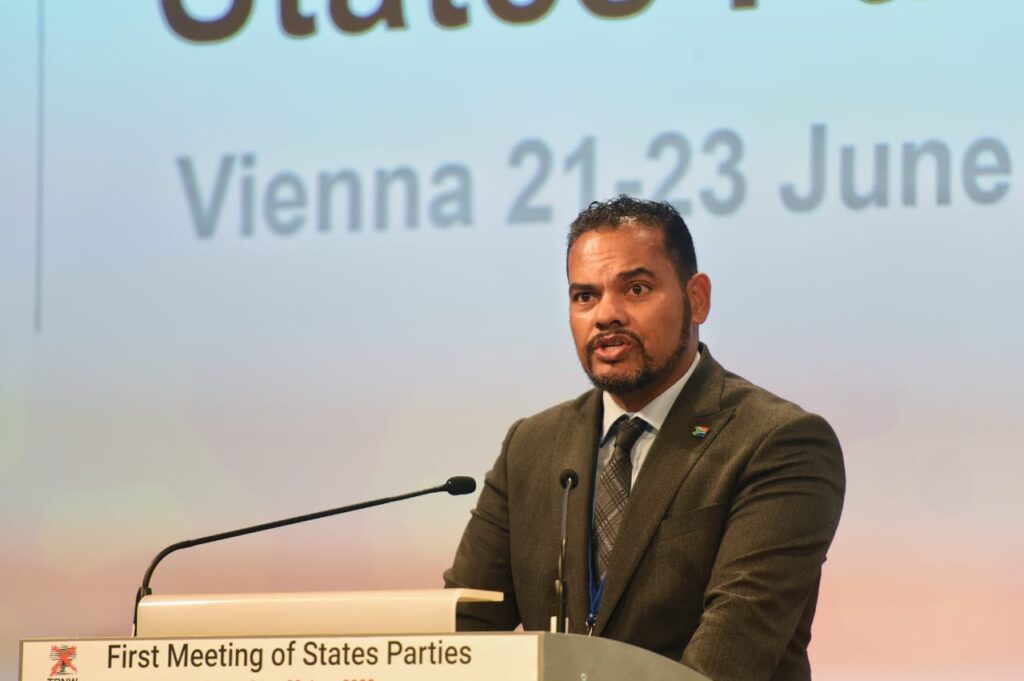
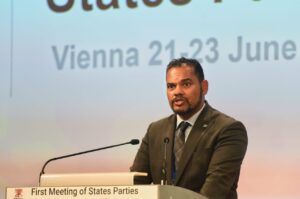
STATEMENT BY MR ALVIN BOTES DEPUTY MINISTER OF INTERNATIONAL RELATIONS AND COOPERATION OF SOUTH AFRICA TO THE FIRST MEETING OF STATES PARTIES TO THE TREATY ON THE PROHIBITION OF NUCLEAR WEAPONS

 21 June 2022

Thank you, Mr President, for the opportunity to address this august gathering. It has indeed been a long journey and now we are finally here, working on the implementation of this vital Treaty.

Excellencies, Ladies and Gentlemen,

South Africa has been at the forefront of nuclear disarmament efforts for decades. The democratic transformation process in my country fundamentally altered the role of apartheid South Africa from being a threat to international peace and security, to a democratic State which is a principled and responsible actor in terms of the maintenance international peace and security.

This approach also forms the basis of our engagement in disarmament diplomacy. Since its inauguration in May 1994, the democratic Government South African committed itself to a policy of disarmament and non-proliferation which covers all weapons of mass destruction. This policy forms an integral part of South Africa’s commitment to democracy, human rights, sustainable development, social justice and environmental protection, which is reflected in our humanitarian approach, inter alia, to disarmament.

South Africa’s commitment to disarmament is based on our belief that international peace and security cannot be divorced from development.

Global security cannot be achieved when enormous financial and other resources are still being diverted towards the acquisition of more and more destructive capabilities, while more and more people around the world continue to suffer from hunger and deprivation. Our ultimate goal is a world free of nuclear weapons and the Treaty on the Prohibition of Nuclear Weapons is an important addition to the disarmament and non-proliferation architecture, that takes us closer to that goal.

Excellencies, Ladies and Gentlemen,

Twenty-four years ago in 1998, President Mandela in his last address to the United Nations General Assembly pertinently noted that, “We must ask the question, which might sound naive to those who have elaborated sophisticated arguments to justify their refusal to eliminate these terrible and terrifying weapons of mass destruction – why do they need them anyway!”

South Africa’s own experience has shown that neither the possession, nor the pursuit of nuclear weapons can enhance international peace and security. The continued retention of nuclear weapons on the basis of the perceived security interests of some States comes at the expense of the rest of humanity.

While most of the nuclear-possessing States justify their continuing possession of those weapons on the grounds that they purportedly guarantee their security, it must be reiterated that we, as non-nuclear-weapon States have the conviction that their mere existence constitutes a threat to our national security and to humanity as a whole.

Excellencies, Ladies and Gentlemen,

As we gather here for this First Meeting of States Parties, we have the opportunity to send a strong and lasting signal of a progressive march forward in humanity’s endeavour to rid the world of nuclear weapons. This should find expression in a political declaration that addresses all nuclear weapon-possessing States and provides a united response against this existential threat to humanity.

South Africa has always emphasised the humanitarian consequences of the use of nuclear weapons, as well as the humanitarian imperatives that underpin our search for a world without the threat posed by the possession, use and proliferation of nuclear weapons.

These considerations are today a fundamental and global concern that should be at the core of our deliberations, actions and decisions as we work on the implementation of the TPNW.

We must recognize that this Treaty is the democratic wish of the overwhelming majority of UN Member States and the people of the world. No longer should the world’s people’s be held hostage to the unspeakable terror of these weapons.

The TPNW’s intention is to stigmatize and delegitimize nuclear weapons based on the adverse and indefensible humanitarian consequences of their use. One of the greatest achievements of the TPNW is its filling of the legal gap on the prohibition of nuclear weapons and we as States Parties should ensure that the work that we carry out this week, as well as during the intersessional process going forward, continue to strengthen this international norm and advance this imperative.

We appreciate Austria hosting the virtual preparatory process and this first meeting of States Parties here in Vienna. In keeping with the inclusivity of the Treaty and its universalisation, we look forward to future meetings of the TPNW being held at the United Nations in New York, where there is the broadest representation of UN member states, especially developing states, who were instrumental in the adoption of the Treaty.

Excellencies, Ladies and Gentlemen,

While we recognize the sovereign right of each State to decide whether or not it would ratify treaties that seek to establish higher international norms, we regret any attempts to undermine this new Treaty and in particular what it endeavours to achieve.

I have to emphasise that the TPNW complements other international instruments by contributing to fulfilling the nuclear disarmament obligations under the Nuclear Non-Proliferation Treaty (NPT), the objectives of the Comprehensive Nuclear Test-Ban Treaty (CTBT) as well as the various nuclear weapon free zone treaties, such as the Pelindaba Treaty that already banned nuclear weapons in Africa.

It must be stressed that the TPNW is complementary to these instruments and not an alternative. It will not replace the obligations and commitments that States have already made under the NPT and other instruments.

As we move towards the Tenth NPT RevCon in August 2022, we have to reiterate serious concern about the apparent lack of urgency and seriousness with which the solemn undertakings, particularly in respect to nuclear disarmament, continue to be approached.

Still more concerning are attempts to justify the retention of nuclear weapons under the pretext of their security benefits. On-going modernisation programmes, including in relation to delivery systems, increases in stockpiles and threats both implicit and explicit make it clear that some States still wish to indefinitely retain these instruments of destruction, contrary to their legal obligations and political commitments.

TPNW States Parties’ focus on the implementation of Article 6 of the NPT gives impetus to nuclear disarmament. This complementarity is essential in the face of previous nuclear disarmament obligations and commitments, that remain unfulfilled, and which puts at risk the grand bargain and indefinite extension of the NPT.

Excellencies, Ladies and Gentlemen,

Most of the significant events related to nuclear weapons that have taken place over the last few years, both globally and regionally, highlight that nuclear deterrence does not preserve peace.

South Africa calls on policymakers in States under the extended nuclear security guarantee to shift their policy toward nuclear weapon elimination and free themselves from this notion of nuclear deterrence.

All of us here today are driven by a sense of responsibility and urgency and have made up our minds. We are convinced that the current security environment allows no room for procrastination. Humanity cannot afford to wait for the “right time” before doing away with nuclear weapons.

Excellencies, Ladies and Gentlemen,

Despite the inclusiveness of the TPNW, States possessing nuclear weapons unfortunately decided not to participate in the various activities and discussions under the humanitarian initiative and instead endeavoured to portray this Treaty as a divisive effort.

Today, I am pleased to reiterate that the TPNW continues to remain open to all nuclear weapon possessing States and their allies, and we the States Parties continue to work on the Treaty’s implementation bearing in mind the manner in which we drafted it, where we were sensitive to their needs. We continue to anticipate what they will require when they join and include them in our actions. They have a moral duty to join and we have a moral duty to bring them in.

Let me conclude by saying a nuclear weapon free world is possible

States gathered here today have the opportunity to act together on the implementation of this Treaty thus providing the urgency and determination to bring the era of nuclear weapons to an end.

We have a shared responsibility to protect future generations. Let us work together and let’s display our courage, in a sustained commitment and concerted effort to rid this planet of these horrific weapons.

I thank you.

Content Credit: Dirco

DEPUTY MINISTER BOTES ATTENDING THE PROHIBITION OF NUCLEAR WEAPONS IN VIENNA

21 June 2022

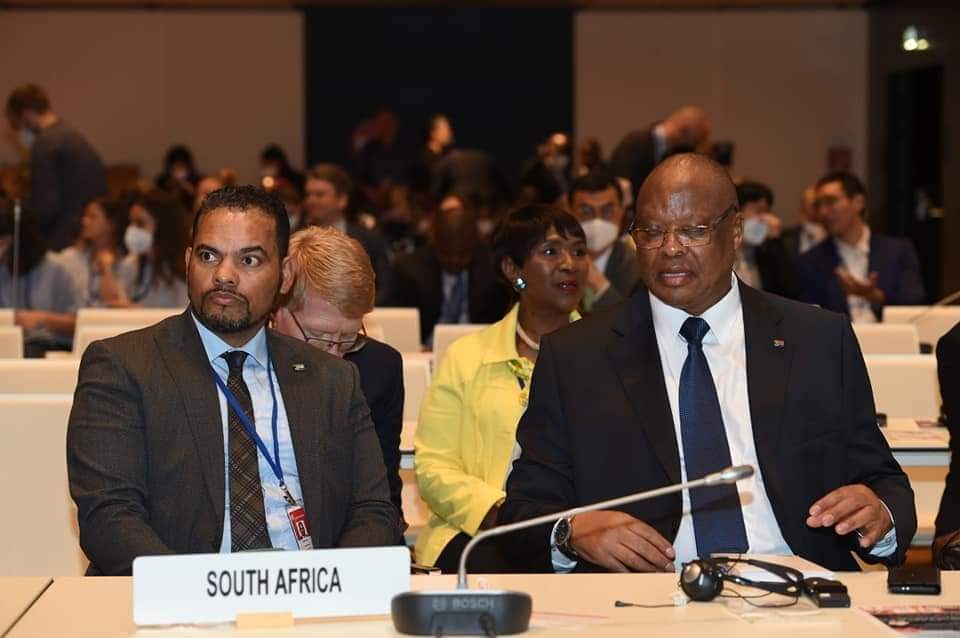
The Deputy Minister of the Department of International Relations and Cooperation, Mr Alvin Botes, has arrived in Vienna, Austria, where he is leading a South African delegation participating in the First Meeting of States Parties to the Treaty on the Prohibition of Nuclear Weapons (TPNW) from 21 to 23 June 2022. It is expected that the meeting will culminate in the adoption of a Political Declaration.

The TPNW was adopted on 7 July 2017 and entered into force on 22 January 2021, after its ratification by 50 States. By 17 June 2022, it had been ratified by 62 States and signed by 86 States. South Africa ratified the Treaty on 25 February 2019. South Africa, together with a Core Group of countries (Nigeria, Austria, Ireland, Brazil and Mexico) played a leading role in driving the TPNW negotiations until its adoption in 2017. South Africa continues to play a leading role in organising the implementation of the Treaty.

The TPNW is a landmark agreement in the history of nuclear disarmament and represents the wish of member states of the United Nations (UN) to rid the world of nuclear weapons. TPNW’s intention is to further stigmatise and delegitimise nuclear weapons based on the adverse and indefensible humanitarian consequences of their use. The Treaty places an emphasis on the humanitarian consequences of the use of such weapons.

Among the TPNW’s core principles and norms is the complete and unequivocal prohibition of nuclear weapons without conditions. Thus, one of the greatest achievements of the TPNW is its filling of the legal gap on the prohibition of nuclear weapons.

South Africa’s own experience has shown that neither the possession nor the pursuit of nuclear weapons can enhance international peace and security. The continued retention of nuclear weapons based on the perceived security interests of some states comes at the expense of the rest of humanity. South Africa’s commitment to disarma

TREATY ON PROHIBITION OF NUCLEAR WEAPONS AS NEW INSTRUMENT IN NUCLEAR DISARMAMENT PROCESS

20 June 2022

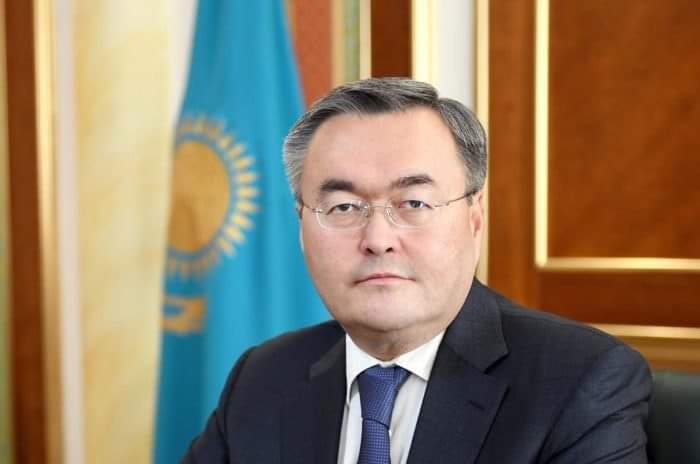
BY MUKHTAR TILEUBERDI OP-ED

On June 21–23, Vienna will host a historic event in the field of nuclear disarmament – ​​the First Meeting of the States Parties to the Treaty on the Prohibition of Nuclear Weapons (TPNW).

The entry into force of this treaty in January 2021 became a long-awaited signal that demonstrated the determination of the UN member states to take concrete measures to outlaw nuclear weapons.

This was a significant moment for Kazakhstan, which in the past experienced detrimental consequences of nuclear tests. As President of Kazakhstan Kassym-Jomart Tokayev noted in his speech at the 75th session of the UN General Assembly, “today Kazakhstan is an example and a role model for the whole world as a responsible state that voluntarily abandoned its nuclear-missile arsenal and closed the world’s largest nuclear test site.”

For half a century, our land suffered atmospheric, ground, and underground tests. This impacted the health of about 1.5 million Kazakhs living near the test site with an area of ​​​​more than 18,000 square kilometres. The consequences of radiation are felt to this day.

On the initiative of Kazakhstan, the closing date of the Semipalatinsk test site – August 29 – was declared in 2009 by the UN General Assembly the International Day against Nuclear Tests. Emphasizing the symbolism of this date, in 2019 Kazakhstan submitted to the UN Secretariat an instrument for ratifying the Treaty on the Prohibition of Nuclear Weapons (TPNW).

Kazakhstan voluntarily abandoned the 4th largest nuclear arsenal in the world, which it inherited after the collapse of the Soviet Union, and in 1993 joined the Treaty on the Non-Proliferation of Nuclear Weapons (NPT) as a state that does not possess nuclear weapons. Let me note, that the TPNW was developed in support of the NPT and fully complements its objective of strengthening the nuclear non-proliferation regime, the peaceful use of atomic energy and wider international security.

In fact, TPNW reflects the dissatisfaction of most UN member states with the disregard by nuclear countries of their obligations on nuclear disarmament, enshrined in several international treaties and documents, including Article VI of the NPT. For this reason, we believe that the treaty should be mentioned in the Final Document of the forthcoming NPT Review Conference in August 2022.

The Treaty establishes several mandatory legal initiatives in the field of nuclear disarmament. For example, nuclear weapons are considered illegal for the first time in human history. Secondly, the production, testing, acquisition, transfer, storage and deployment of nuclear weapons or nuclear explosive devices, as well as the use of threats to use them, are prohibited.

A nuclear-weapon country can join the TPNW if it agrees to destroy its nuclear weapons in accordance with legally binding, verifiable, time-specific plans. Similarly, a country hosting nuclear weapons can join if it agrees to remove them. The Treaty does not prescribe specific timeframes or disarmament measures, as they are planned to be approved by the member states following the First Conference of the TPNW.

Kazakhstan’s active participation gave impetus to the organisation of the First Conference of the TPNW. The most important contribution of our country to this process was acting as a facilitator of substantive solutions. In particular, at the initiative of Kazakhstan and Kiribati (which suffered 39 American and British nuclear weapon test), a working group was created to develop proposals on the issue of positive obligations in accordance with Articles 6 and 7 of the Treaty related to providing support for victims of nuclear testing and use of nuclear weapons, as well as environmental rehabilitation.

The positive obligations under the TPNW refer to the nodal aspects and are focused on eliminating damage from the use and testing of nuclear weapons in the past, as well as preventing possible damage in the future.

The medium-term goal of this initiative on the adoption of positive obligations is to establish an International Trust Fund to finance projects related to victim assistance and environmental restoration.

A specific mechanism is being discussed for identifying sources of funding (from TPNW member-states and non-member states, NGOs, philanthropists, and individuals) for work that requires special knowledge, materials, and equipment. It is important to note that this proposal has found support among the expert community and academic circles.

I would like to note that with the financial support of Kazakhstan and the UN Office for Disarmament Affairs, Kazakh people affected by nuclear testing and the youth representatives from Pacific Island countries will be able to participate in the First Conference of the TPNW and share their stories from a high international rostrum to draw attention to how deplorable the consequences of the use/testing of nuclear weapons can be.

The TPNW positive obligations are of practical value for Central Asia. In accordance with Article 7 of the TPNW, states may request the assistance of other parties to the Treaty and international structures to implement the abovementioned provisions. Considering the existing problem of uranium tailing ponds in several countries of our region, this initiative would help to attract donor funds from other states and international organisations for the reclamation of tailing ponds and the implementation of preventive measures to help the population near uranium mines.

Therefore, Kazakhstan, as the only state in the CIS region that has acceded to the TPNW, is conducting systematic work in accordance with Article 12 on the universalisation of the document to expand the membership of its participants, primarily from among the countries of the Central Asian Nuclear-Weapon-Free Zone (CANWFZ).

Let me remind that CANWFZ, established by Kazakhstan jointly with its regional neighbours through the 2006 Semipalatinsk Treaty, is the first and currently the only such zone in the Northern Hemisphere. A key addition to it was the Protocol, containing negative security assurances, which stipulates that countries possessing nuclear weapons undertake not to use them on the parties to the Treaty. In this regard, we are grateful to the United Kingdom, China, Russia, and France for completing the ratification of this important document. Last year, the foreign ministers of the states that are parties to the Treaty – Kazakhstan, Kyrgyzstan, Tajikistan, Turkmenistan, and Uzbekistan – made a joint statement on its 15th anniversary, in which they reaffirmed their unshakable commitment to its provisions and called on the United States to ratify the above-mentioned Protocol as soon as possible.

The members of nuclear-weapon-free zones around the world are at the forefront of the nuclear disarmament process. The main goals and objectives of establishing these zones are in line with the principles of the TPNW. This means that a state party to the Semipalatinsk Treaty can accede to the TPNW without assuming additional obligations. Besides, if a state that is party to the Semipalatinsk Treaty has already adopted relevant national regulatory legal acts to implement the provisions of the Semipalatinsk Treaty, then this will probably be sufficient to fulfil the obligations that the state will assume by joining the TPNW. This is confirmed by leading international NGOs and experts in the field of nuclear disarmament.

It should also be emphasized that the TPNW is gaining global popularity thanks to the efforts of civil society, which encourages governments and parliamentarians of their respective countries to accede to the Treaty. Kazakhstan welcomes the decision of several European countries (Switzerland, Sweden, and Finland), including the declared intention of NATO members (Germany and Norway), to participate as observers in the First Conference of the States Parties to the TPNW.

The Treaty is another effective platform for our efforts to build a world without nuclear weapons. Kazakhstan will continue to show an example of high responsibility to the present and future generations of humankind.

In this context, it’s worth noting the UN Universal Declaration on the Achievement of a Nuclear-Weapon-Free World, adopted at the initiative of Kazakhstan at the 70th session of the UN General Assembly in 2015. The Universal Declaration calls for the total elimination of nuclear weapons as the only guarantee against their use or threat of use. Last year, the resolution received a record number of 141 votes from UN member states, indicating its positive momentum. Particularly noteworthy was the support from India and Democratic People’s Republic of Korea, which possess nuclear weapons, as well as from Iran, which was among the co-sponsors of the resolution.

If nuclear weapons are declared to be outside of international law, the call for nuclear-weapon states to take urgent steps in the field of nuclear disarmament will increase significantly. To this end, Kazakhstan continuously encourages dialogue between nuclear countries and the TPNW supporters in order to align their views and strengthen trust between them, which is especially important given current geopolitical conditions. Such work is also being carried out within the framework of the Stockholm Initiative for Nuclear Disarmament and specialized platforms within the UN, including the First Committee of the General Assembly, where our country will take over the chairmanship during the 77th session.

The possibility of signing the TPNW and its entry into force have given many countries additional hope for a safer and rational world, which is currently in a serious crisis. As noted by the UN Secretary-General António Guterres, with about 13,400 nuclear warheads around the world, the possibility of using nuclear weapons is more real than in the darkest days of the Cold War. The current military confrontation in Ukraine, discussions about proliferation of nuclear weapons and mutual threats to use them, raise the question about the collective vulnerability of humanity and the urgent need to ban and eliminate the deadly weapons.

The practical contribution of Kazakhstan to nuclear disarmament encourages us to continue calling on nations and governments to redouble their efforts to rid our planet of the threat of nuclear self-destruction by strengthening mutual trust. With that in mind, Kazakhstan has nominated its candidacy for the position of Vice Chair of the First Meeting of the TPNW in 2022 and Chair of the Third Meeting for 2024–2026.

We call on all states, including nuclear-weapon powers, to develop a phased plan for the complete elimination of nuclear weapons by 2045, to the centenary of the UN. The proposals and agreements to achieve this goal could be reflected in the final documents of both the First Conference of the TPNW and the NPT Review Conference.

Kazakhstan realizes that there are many political and technical obstacles on the way to achieving this noble and ambitious goal. We consider it necessary to embark on a practical work in this direction.

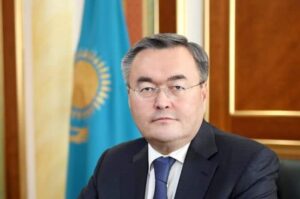
The author is Mukhtar Tileuberdi, the Minister of Foreign Affairs of Kazakhstan.

The article was originally published in Modern Diplomacy website.

Photo: Mukhtar Tileuberdi